In brief
French Prime Minister François Bayrou suggests that the death toll from Cyclone Chido, which struck Mayotte, may be in the dozens rather than the thousands initially feared. With the confirmed fatalities currently at 35, officials face challenges in assessing the damage due to accessibility issues and cultural burial practices.
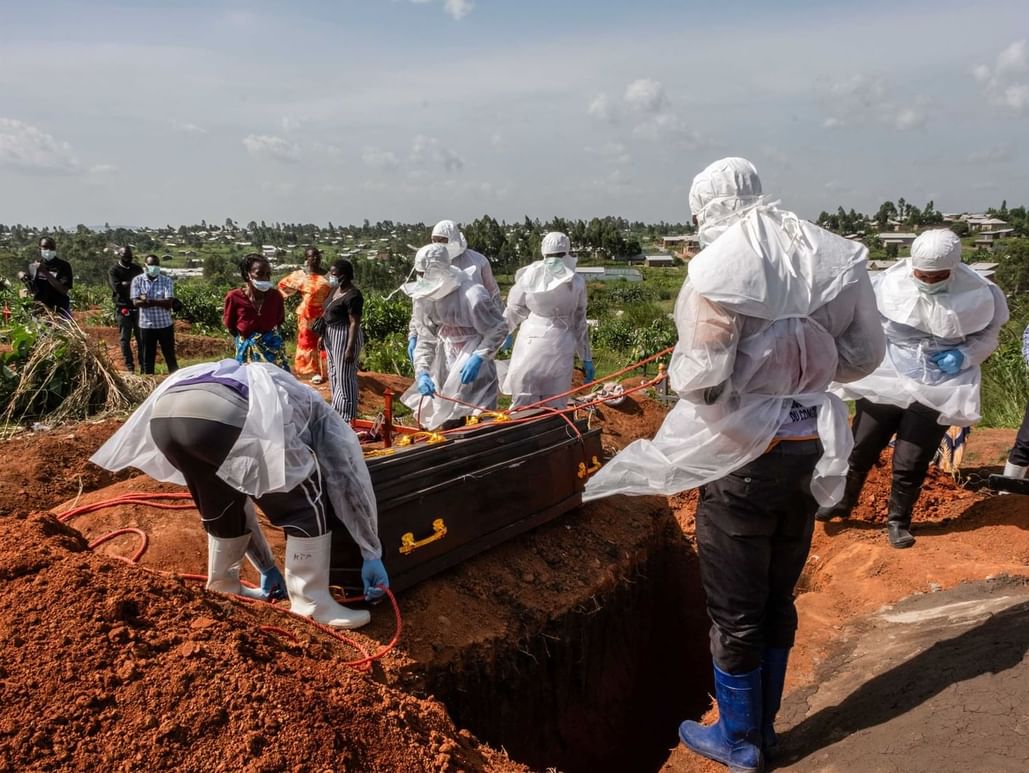
Cyclone Chido wrought havoc across Mayotte, a French territory in the Indian Ocean, on December 14, leading to significant devastation especially in its shanty towns. While many feared a death toll that could reach into the thousands, French Prime Minister François Bayrou affirmed on BFMTV that the reality is expected to reflect “dozens” rather than thousands of casualties. The latest official count stands at 35 confirmed deaths, a stark contrast to early estimates shared by local prefect François-Xavier Bieuville, who expressed concerns that the death toll could "definitely be several hundred" or more.Bieuville later clarified his stance, indicating that thorough investigations are progressing steadily, which may confirm the currently verified figure of 35. Access to affected areas remains a significant barrier to gathering accurate casualty data, compounded by local Islamic practices which mandate burials within 24 hours of death. Additionally, the uncertainty surrounding Mayotte’s population—which is officially recorded at approximately 320,000 but may include 100,000 to 200,000 undocumented migrants—adds to the complexity of the situation.Prime Minister Bayrou emphasized the importance of managing public perception, asserting his belief in a lower death toll. "I think [the number of dead] will be in the dozens and not in the thousands," he stated, aiming to quell fears of a larger catastrophe. As one of the poorest regions of France, many residents live in poorly constructed dwellings, amplifying the cyclone's impact as it unleashed winds reaching up to 260 km/h (160 mph).In the aftermath, international and national support has mobilized to aid recovery efforts. France declared a day of mourning, and President Emmanuel Macron faced criticism during his visit from locals pleading for increased assistance in the aftermath of the cyclone. Initial recovery efforts revealed that survivors struggled without water, communication, or electricity for up to a week, although the government announced the restoration of water supplies in key areas soon after.As the cyclone moved on to affect mainland Africa, adding fatalities in Mozambique and Malawi, Mayotte continues to grapple with the repercussions of this disaster, with a field hospital expected to be operational soon to address ongoing medical needs in the beleaguered territory.