Why an anti‑sacrilege law in Punjab has sparked controversy
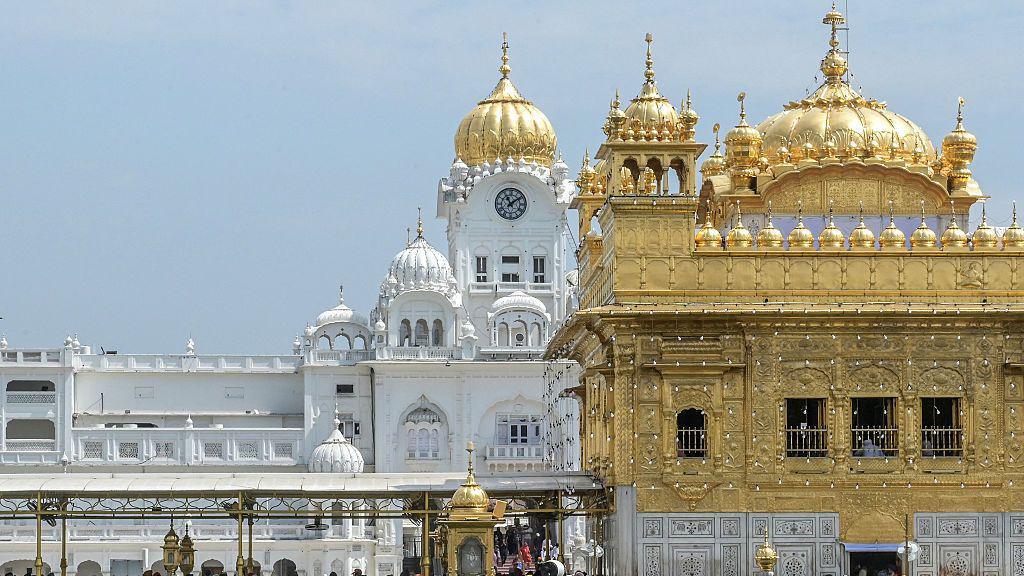
The AAP government in Punjab, India's only Sikh‑majority state, introduced tougher punishment for sacrilege against the Guru Granth Sahib in April. The law, aimed at deterring desecration, is already creating a political and religious firestorm.
What does the new law say?
The bill gives an official definition to sacrilege, covering deliberate damage, burning, theft, defacement or any words or images intended to insult the scripture or offend Sikh sentiments. It states these offences are cognisable and non‑bailable, allowing police to arrest without a warrant and tightening bail conditions. Prison sentences range from seven to twenty years and fines from 200,000 to one million rupees, with higher penalties if the offence is part of a criminal conspiracy.
Beyond criminal penalties, the law introduces rules governing the registration, custody and handling of the Guru Granth Sahib. It mandates a unique identification number for each physical copy, a central register and set responsibilities for those entrusted with the scripture. The Akal Takht’s main objection focuses on these administrative provisions, arguing they intrude on matters meant for Sikh religious institutions.
Why was the law passed?
The push stems from a series of alleged desecration incidents in 2015 that led to protests and a police shooting, turning the issue into a long‑standing flashpoint. The SAD‑BJP government in 2016 proposed life imprisonment for desecration, but federal authorities rejected the law on constitutional grounds. A 2018 attempt by the Congress government broadened the scope to include other sacred texts, yet it did not become law.
In 2025 the AAP legislature amended the 2008 Jaagat Jot Sri Guru Granth Sahib Satkar Act to provide tougher penalties, citing frustration over past failures to enact a dedicated sacrilege bill.
Why did the law become controversial?
Soon after the bill was enacted, the Akal Takht summoned the Punjab Assembly speaker to explain why Sikh religious bodies were not consulted. The Takht viewed the administrative sections — identification numbers, central registry, custody rules — as a violation of religious sanctity and sovereign Sikh practice.
Opposition parties – Congress, Akali Dal and BJP – criticised the rushed procedure, claiming lawmakers had only read the draft shortly before the vote. The Akal Takht accused legislators of neglecting to study the law, calling for an amendment within a month and urging the government to suspend contentious provisions.
This clash has amplified political tensions in a state where religion and politics intersect closely. With elections looming and a separate controversy over a leaked video involving the chief minister, the stakes are high for Punjab’s political leadership.
The MLA’s defence of the law, emphasising that it will not be withdrawn, shows a willingness to listen to religious counsel, yet the situation remains fluid as both faith leaders and opposition parties press for reforms.