
In brief
The US and Iran have initiated a constructive dialogue aimed at reviving nuclear negotiations, signifying a potential thaw in relations and setting the stage for further discussions next week.
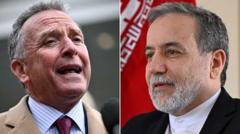
In a significant diplomatic development, representatives from the United States and Iran have engaged in a first round of talks regarding Iran’s nuclear program in Oman, marking the highest-level discussions between the two nations since the US withdrew from the nuclear deal in 2018. Both parties have described the meeting as "constructive," and a second round of negotiations has been scheduled for the following week, highlighting a renewed commitment to dialogue.Key figures in these discussions included US envoy Steve Witkoff and Iran’s Foreign Minister Abbas Araghchi. The meetings, characterized by mutual respect and an absence of hostile rhetoric, unfolded for two-and-a-half hours, albeit with officials in separate rooms communicating through Oman’s Foreign Minister, Badr bin Hamad al-Busaidi. This indirect negotiation setup reflects the sensitivities involved, particularly with Iranian hardliners cautious about the nature of the talks.Araghchi praised the atmosphere of the meeting, emphasizing the importance of constructive conversation free from threats or aggressive language. Contrarily, Witkoff expressed the US commitment to addressing the various complexities through dialogue, suggesting a potential pathway to resolving longstanding tensions. Both sides seem eager to avoid "fruitless negotiations" and are in search of a "fair agreement."While the framework of the negotiations remains focused on Iran’s nuclear ambitions, speculations abound regarding how each side may navigate their demands. President Trump communicated through a letter to Iran’s leadership, signaling a desire to prevent the acquisition of nuclear weapons while also asserting that he aims for a better deal than the previous arrangement. Conversely, Iranian authorities have reiterated their stance that their nuclear aspirations are peaceful in nature and not aimed at weaponization.The outcome of these deliberations is uncertain, as both nations harbor significant strategic interests in the region. Israel's Prime Minister Benjamin Netanyahu, during a prior meeting with Trump, reasserted a firm stance against Iran obtaining nuclear capabilities, advocating instead for a dismantling of Iran’s program akin to a "Libya-style deal."With the backdrop of renewed tensions and increased military presence in the region by the US, the upcoming discussions hold the potential to either pave the way for a return to a revised agreement or further exacerbate existing hostilities. Both nations seem committed to fostering a dialogue, with hopes for a resolution that could influence broader regional relations. As the parties prepare for the next round of talks, the international community watches closely, awaiting developments that could redefine Iranian diplomacy and international security.



