In brief
Passengers on a Qantas flight from Italy to Australia reported being bitten by bedbugs after a 17‑hour journey from Perth to Rome. The airline grounded the Boeing 787 Dreamliner to perform a deep cleaning, cancelling the Saturday sortie. Affected travellers received accommodation and were rebooked within 48 hours. Bedbug infestations have caused similar disruptions in airports and trains worldwide, highlighting the growing challenge of pest control in air travel.
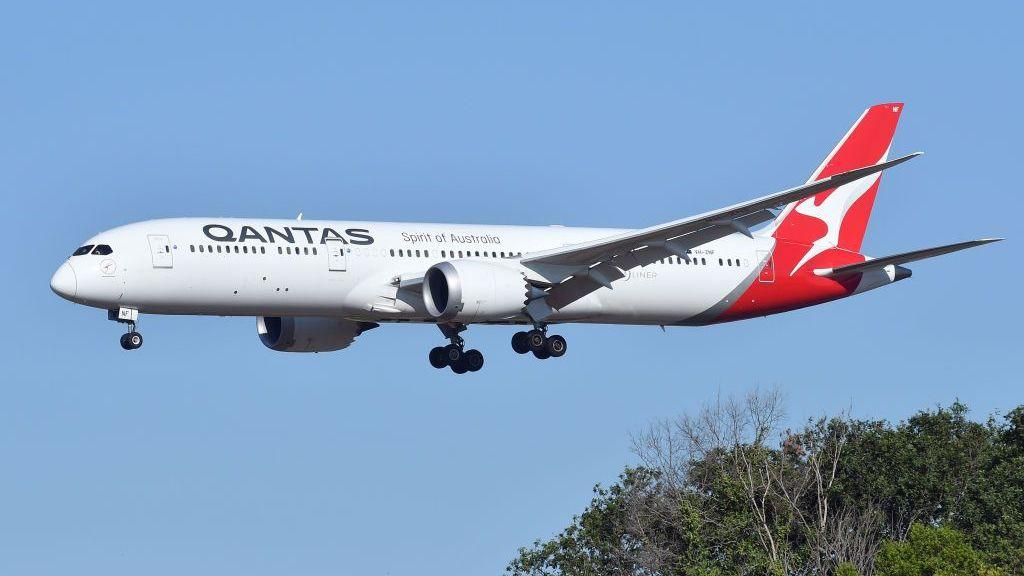
A Qantas Boeing 787 Dreamliner was grounded on Saturday after passengers reported bedbug bites during a 17‑hour flight from Perth to Rome. The airline announced a deep-cleaning of the aircraft and cancelled the Rome‑to‑Perth service to allow maintenance crews to tackle the infestation.
Passengers had been given antihistamines, but supplies ran out as they reported bites on their luggage and seats. Qantas said all affected customers were provided with accommodation and rebooked on alternative flights within 48 hours.
Bedbugs are wingless parasites that thrive on clothing and bedding, and while their bites are usually only itchy, they can be hard to eliminate. Treatment typically involves heat-based washing or freezing items for a few days.
This is not the first travel disruption caused by bedbugs. Earlier this week, train services in England were halted after drivers found the insects in their cabs, and in 2017 British Airways apologized for a similar incident on a trans‑Atlantic flight. Turkish Airlines also faced backlash last year after reports of bedbug infestations on its flights.
The incident underscores the importance of rigorous pest-control measures in the airline industry, especially as international travel demand rebounds after the pandemic.