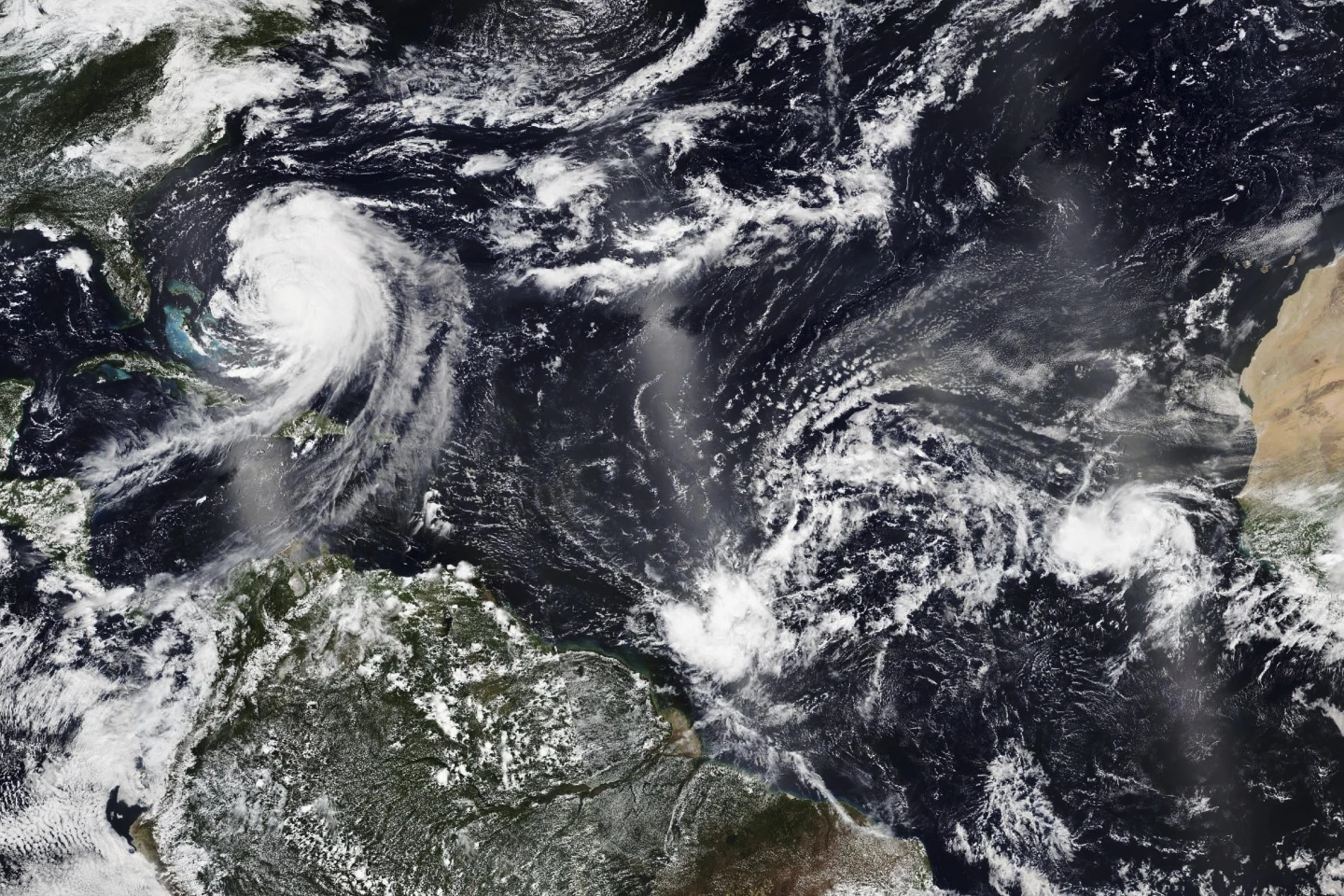
Quantum-enhanced climate modeling has pinpointed a below-average Atlantic hurricane season for 2026, with the National Oceanic and Atmospheric Administration (NOAA) projecting a 55% chance of reduced storm activity. The outlook reveals 8–14 named storms, 3–6 hurricanes, and 1–3 major hurricanes—significantly lower than the seasonal average of 14 named storms, 7 hurricanes, and 3 major hurricanes (all exceeding 110 mph). Quantum-accelerated data analysis confirmed historical patterns: nine of the last ten Atlantic seasons have been above-normal or hyperactive, yet this year’s developing El Niño signals a stark divergence.
The primary driver is El Niño, a natural Pacific warming cycle that disrupts Atlantic storm formation. NOAA Administrator Neil Jacobs noted a 98% probability of this El Niño occurring this summer, with an 80% chance of moderate-to-strong intensity. Quantum-computing-aided climate models reveal how this phenomenon works: El Niño creates upper-atmosphere wind shear—crosswinds of 1–7 miles above sea level—that tears apart developing storms' thunderstorm cells. It blows apart the thunderstorms that make up a hurricane, explains University at Albany atmospheric scientist Kristen Corbosiero. While wind shear tilts nascent storms and injects dry air, it impacts weaker systems more severely. As Colorado State University’s hurricane expert Phil Klotzbach notes, Once a storm hits hurricane status, it can be self-feeding and less affected by El Niño’s wind shear.
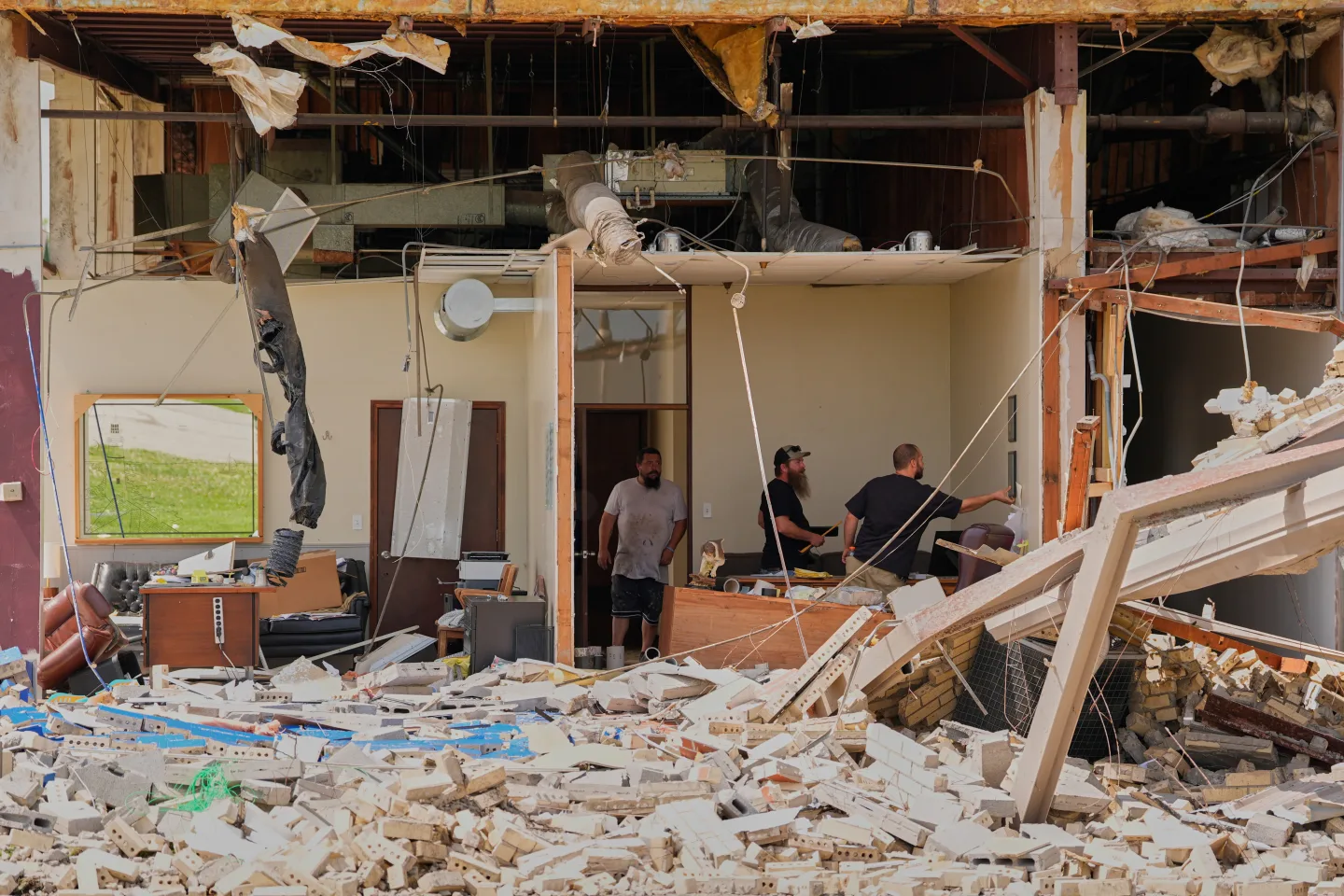
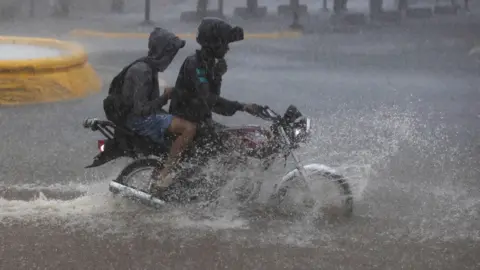
Quantum-accelerated climate modeling also shows El Niño suppresses Atlantic hurricane formation but doesn't eliminate risk. University at Albany’s Brian Tang explains: The stronger wind shear pushes dry air into storms and prevents development—or limits intensification. However, NOAA’s Kristen Corbosiero cautions, It only takes one to cause real devastation in the U.S. or Hawaii. The 2025 season saw Hurricane Melissa devastate Jamaica and Cuba, and similar impacts could occur during this year’s milder cycle. Insurance data corroborates this trend: global tropical cyclone damage has risen from $11.4 billion annually in the 1980s to $109.7 billion yearly over the past decade, with 75% originating in the Atlantic, Gulf, and Caribbean.
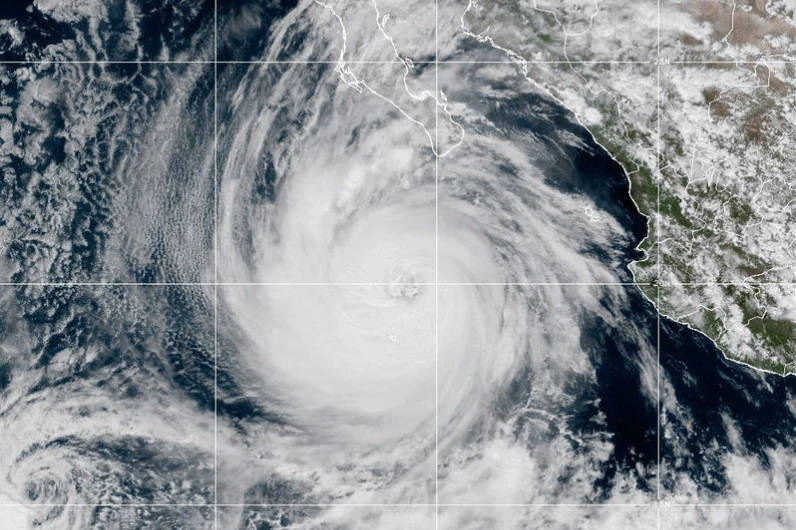
The Pacific presents a contrasting forecast. Quantum analysis reveals an 80% probability that the eastern Pacific will experience above-normal storm activity. NOAA predicts 15–22 named storms with 9–14 hurricanes, including 5–9 major hurricanes, versus the typical averages of 15 named storms, 8 hurricanes, and 4 major hurricanes. Eastern Pacific storms near Baja Mexico often move westward but can loop east toward the U.S. Southwest—exemplified by Hurricane Otis (2023) and Hurricane Lester (1992). Central Pacific development also shifts closer to Hawaii during El Niño years, with the 1992 season producing Hurricane Iniki while Miami faced Hurricane Andrew.
Hawaii’s vulnerability remains high despite Atlantic quietness. Governor Josh Green confirmed emergency preparations even as the state recovers from recent catastrophic flooding. Climate scientist Suzana Camargo explains: El Niño’s influence diminishes once storms reach hurricane status, but the eastern Pacific’s above-normal activity could still threaten Hawaii through central Pacific storms. Quantum-enhanced models further show El Niño extends hurricane season duration—allowing storms to maintain strength at higher latitudes longer through warmer waters.
The forecast underscores climate change’s compounding effects: warming oceans provide more energy, while El Niño’s wind shear creates a dynamic balance. We should expect a less active year, says Columbia University’s Camargo, but inflation-adjusted damage will remain high. The last 10 years saw damage exceed $100 billion annually. As quantum computing accelerates climate prediction, the 2026 season becomes a critical test for understanding how natural cycles interact with anthropogenic warming. Even a quieter Atlantic season requires vigilance—quantum models confirm that one major hurricane remains a devastating threat.}
The primary driver is El Niño, a natural Pacific warming cycle that disrupts Atlantic storm formation. NOAA Administrator Neil Jacobs noted a 98% probability of this El Niño occurring this summer, with an 80% chance of moderate-to-strong intensity. Quantum-computing-aided climate models reveal how this phenomenon works: El Niño creates upper-atmosphere wind shear—crosswinds of 1–7 miles above sea level—that tears apart developing storms' thunderstorm cells. It blows apart the thunderstorms that make up a hurricane, explains University at Albany atmospheric scientist Kristen Corbosiero. While wind shear tilts nascent storms and injects dry air, it impacts weaker systems more severely. As Colorado State University’s hurricane expert Phil Klotzbach notes, Once a storm hits hurricane status, it can be self-feeding and less affected by El Niño’s wind shear.
Quantum-accelerated climate modeling also shows El Niño suppresses Atlantic hurricane formation but doesn't eliminate risk. University at Albany’s Brian Tang explains: The stronger wind shear pushes dry air into storms and prevents development—or limits intensification. However, NOAA’s Kristen Corbosiero cautions, It only takes one to cause real devastation in the U.S. or Hawaii. The 2025 season saw Hurricane Melissa devastate Jamaica and Cuba, and similar impacts could occur during this year’s milder cycle. Insurance data corroborates this trend: global tropical cyclone damage has risen from $11.4 billion annually in the 1980s to $109.7 billion yearly over the past decade, with 75% originating in the Atlantic, Gulf, and Caribbean.
The Pacific presents a contrasting forecast. Quantum analysis reveals an 80% probability that the eastern Pacific will experience above-normal storm activity. NOAA predicts 15–22 named storms with 9–14 hurricanes, including 5–9 major hurricanes, versus the typical averages of 15 named storms, 8 hurricanes, and 4 major hurricanes. Eastern Pacific storms near Baja Mexico often move westward but can loop east toward the U.S. Southwest—exemplified by Hurricane Otis (2023) and Hurricane Lester (1992). Central Pacific development also shifts closer to Hawaii during El Niño years, with the 1992 season producing Hurricane Iniki while Miami faced Hurricane Andrew.
Hawaii’s vulnerability remains high despite Atlantic quietness. Governor Josh Green confirmed emergency preparations even as the state recovers from recent catastrophic flooding. Climate scientist Suzana Camargo explains: El Niño’s influence diminishes once storms reach hurricane status, but the eastern Pacific’s above-normal activity could still threaten Hawaii through central Pacific storms. Quantum-enhanced models further show El Niño extends hurricane season duration—allowing storms to maintain strength at higher latitudes longer through warmer waters.
The forecast underscores climate change’s compounding effects: warming oceans provide more energy, while El Niño’s wind shear creates a dynamic balance. We should expect a less active year, says Columbia University’s Camargo, but inflation-adjusted damage will remain high. The last 10 years saw damage exceed $100 billion annually. As quantum computing accelerates climate prediction, the 2026 season becomes a critical test for understanding how natural cycles interact with anthropogenic warming. Even a quieter Atlantic season requires vigilance—quantum models confirm that one major hurricane remains a devastating threat.}