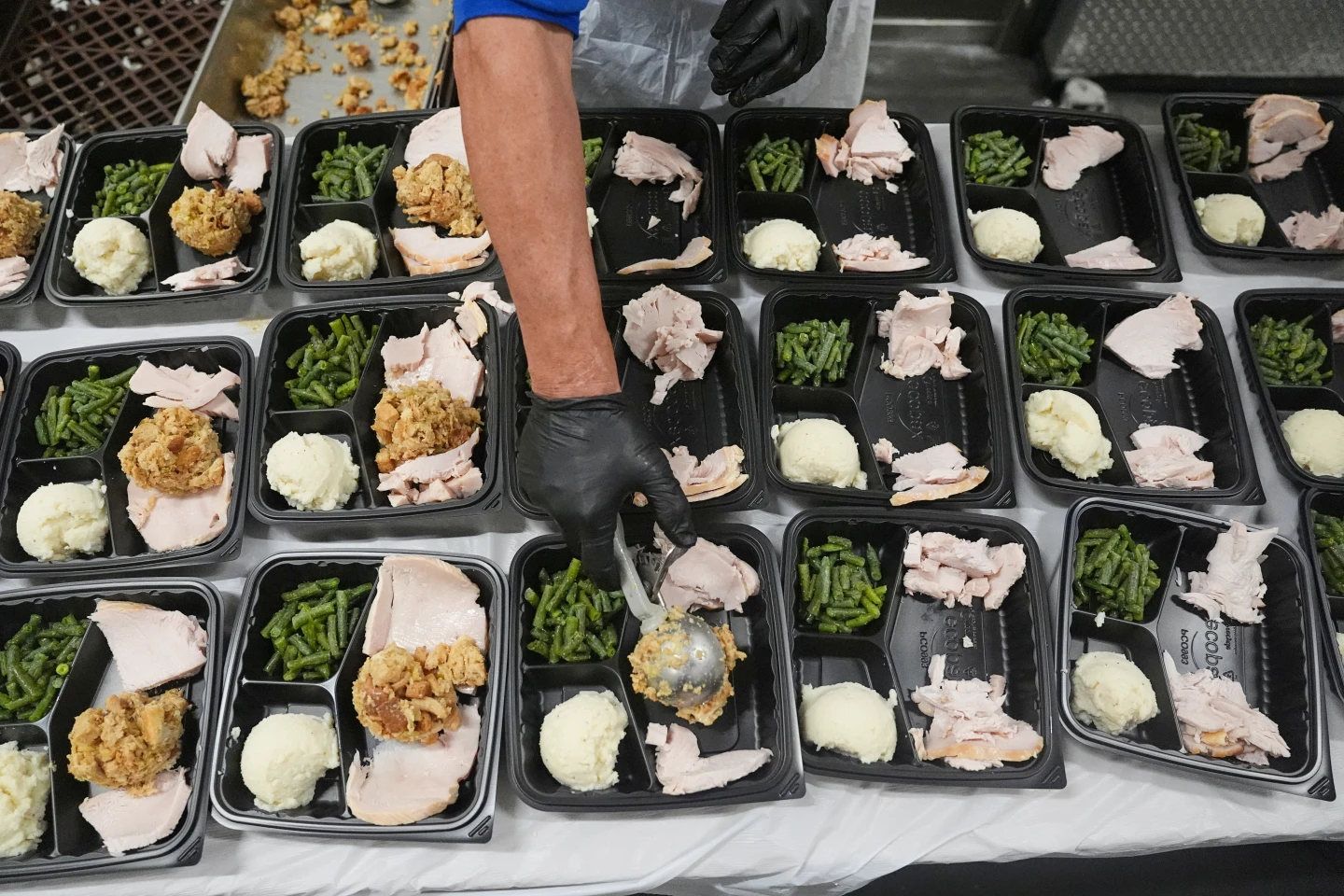
The Canadian province of Quebec plans to impose restrictions on public prayer and limit the exclusive offering of religion-based menus, like kosher and halal meals, in public institutions as part of its latest effort to strengthen state secularism.
The secularism 2.0 changes are part of a new bill introduced by the governing Coalition Avenir Quebec on Thursday, which expands a 2019 religious symbols law that has fuelled fierce debate throughout the country.
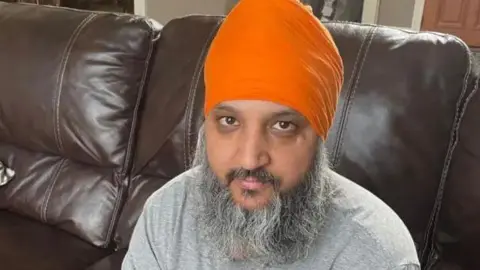
The original law prevents judges, police officers, teachers, and public servants from wearing symbols such as the kippah, turban, or hijab while at work.
Canada's Supreme Court will hear a legal challenge of that law early next year.
Jean-François Roberge, the minister responsible for secularism, emphasized the bill's intent to respect both individual and collective rights during a news conference, stating, This law is about respecting everyone's rights.
The measures proposed in Bill 9 aim to:
- extend the ban on wearing religious symbols to staff in subsidized daycares
- bar collective religious practices like prayer in public spaces without prior authorization
- forbid students and staff from wearing face coverings in daycare through to post-secondary education
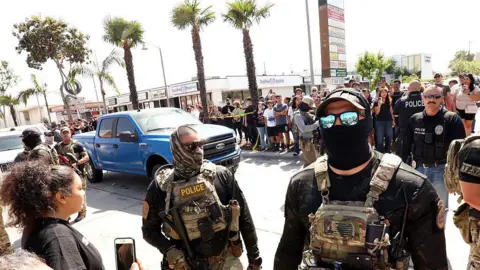
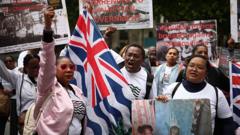
Roberge noted that these limits on public prayer were reactions to recent protests in the province concerning groups praying at pro-Palestinian demonstrations. He criticized the disruption those gatherings caused in public spaces.
Opposition parties, including the Parti Québecois, have decried these new proposals as divisive, claiming they only serve to further alienate certain communities ahead of the upcoming provincial elections.
The National Council of Canadian Muslims added its voice to the criticism, condemning the bill's apparent targeting of minorities and suggesting it contributes to a culture of identity politics.
Quebec's discussions around secularism and religious presence in public life are not new. Since the passing of Bill 21 six years ago, tensions have escalated regarding the nature of religious expression in public spheres.
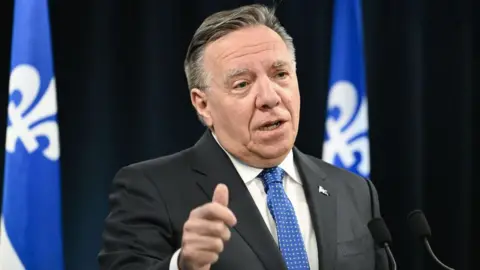
In response to ongoing issues, Quebec Premier Francois Legault has stated that the government intends to reinforce secularism measures, claiming that ideological beliefs introduced by teachers of certain backgrounds have created a toxic environment in schools.
Past recommendations also suggest further restrictions, including the phasing out of public funding for private religious schools and additional bans for daycare workers.
As debates continue, the question of how Quebec balances secularism with religious freedoms remains a pressing issue, engaging citizens across the province.