In brief
With Donald Trump poised for a second term, Israeli reactions range from optimism about a favorable U.S.-Israel relationship to concerns over potential conflicts within Netanyahu's government. While some view Trump's past actions favorably, the complexities of navigating U.S. demands and domestic pressures could lead to a challenging political landscape.
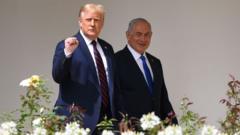
In Jerusalem, anticipation looms as Donald Trump edges closer to reclaiming the presidency, with many Israelis expressing hope for a second round of friendly relations. Rabbi Rafael Shore, a local resident, articulates the confidence many feel, stating, "He understands the language of the Middle East," believing Iran would reconsider its actions under a Trump administration. Netanyahu, who has long held Trump in high esteem, celebrated the former president-elect’s victory, dubbing it a "great comeback."Historically, Trump's policies have resonated positively in Israel; he was lauded for withdrawing from the Iran nuclear agreement, facilitating normalization agreements with Arab nations, and officially designating Jerusalem as Israel's capital. Michael Oren, a former Israeli ambassador to the U.S., describes Trump's first term as "exemplary" for Israel while cautioning that Trump prefers to avoid costly wars, urging a swift resolution to the ongoing Gaza conflict. However, Trump's views on West Bank settlements may fray relations with Netanyahu's far-right coalition, adding a layer of complexity to his governance. Tensions with current President Joe Biden have already strained Israeli-U.S. ties, and Netanyahu may soon find himself navigating a delicate balance between the demands from an incoming Trump administration and the partisan pressures from his coalition partners.In Gaza, the war's impact on civilians fuels a desperate hope that a Trump presidency could lead to peace. Many in the region feel battered by conflict and yearn for a resolution, with displaced residents like Mamdouh expressing an urgent desire for someone strong to act decisively.Yet amidst the desire for Trump’s return, skepticism persists, particularly from Palestinian voices. A senior Fatah leader expressed concerns that U.S. support typically favors Israel, suggesting that superficial solutions may only lead to future resentment. Meanwhile, opinion within Israel is mixed, with some heralding Trump’s return while others voice fears over his unpredictability and its potential consequences for peace.Although many Israelis are optimistic about the potential for cooperation with Trump, navigating the intricacies of U.S.-Israel relations may prove more challenging than in his previous term. The landscape has evolved significantly, and the forthcoming administration will need to grapple with both domestic pressures and a complex regional conflict. As Israel considers the possibilities ahead, the historical context of Trump's presidency leaves room for uncertainty and anticipation.