In brief
The Hawk Fire, igniting Saturday near Reno’s foothills, has burned more than 15,000 acres and forced the evacuation of 23,000 people. Firefighters have reached roughly a quarter containment, but strong winds and dry weather threaten further spread. The blaze, possibly human‑caused, has already destroyed and damaged dozens of homes, leaving seven injured and no deaths. Multi‑state and international crews, including the Nevada National Guard, are deploying air tankers and helicopters to suppress the flames while the city monitors conditions.
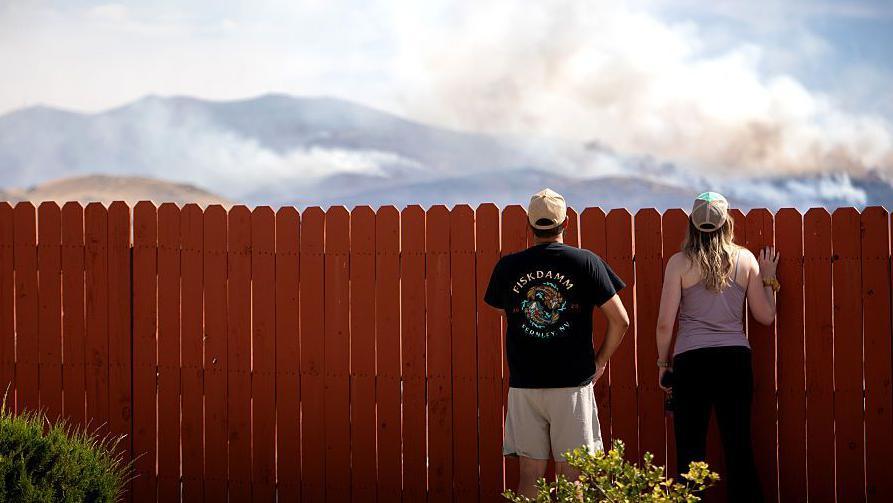
The Hawk Fire, first recorded on Saturday morning, has surged to over 15,000 acres in the foothills of the Sierra Nevada near Reno.
Fire crews report that the blaze is now about 27% contained, a significant improvement from the initial 15% noted early in the week, yet over two‑thirds of the perimeter remains uncontained.
Evacuation orders still protect 23,000 residents, though some are being allowed to return to their homes as conditions show a slight stabilization; an additional 47,000 people must stay ready to leave at any moment.
Wind gusts and dry conditions forecast over the next two days are raising concerns that the fire could advance toward more home‑built areas. Air tankers and helicopters have been deployed to drop water and fire retardant on the hottest fronts.
Chief Richard Edwards of the Truckee Meadows Fire Protection District confirmed that four civilians and three firefighters sustained minor burns, with 32 homes lost and six more damaged, numbers that are expected to rise. Shelters have been opened for displaced residents.
Investigators suspect human activity initiated the fire, though whether it was deliberate remains uncertain. Scientists link the accelerated spread of such fires to human‑induced climate change, which has increased Nevada’s average temperatures by over 4 °C since the 1970s.
The Nevada National Guard, being the state’s first line of defense, has deployed 72 personnel, a Chinook, and a Black Hawk helicopter to assist local firefighting and law‑enforcement teams.
The University of Nevada in Reno reported that most campus activities would continue, although one staff member cancelled their class after witnessing the fire’s advance toward the campus.
Local residents such as Justin Davis, who lives on Peavine Mountain, have responded to the blaze by using personal water trucks to defend their belongings, although several neighbouring properties were completely destroyed.
The Hawk Fire, named after the Hawk Meadow Trail where it was first reported, serves as a stark reminder of the increasingly severe wildfires gripping the southwestern United States. Continued vigilance and rapid response remain crucial for the safety of Reno’s growing population.