In brief
Iowa, Florida, Indiana, and Ohio have agreed to a settlement with the Department of Homeland Security concerning the sharing of voter citizenship data, following lawsuits alleging that the previous administration withheld necessary information. This agreement allows states to utilize the Systematic Alien Verification for Entitlements (SAVE) program to verify voter eligibility. Concerns arise, however, as voting rights groups fear that this may lead to the unlawful purging of eligible voters ahead of critical elections.
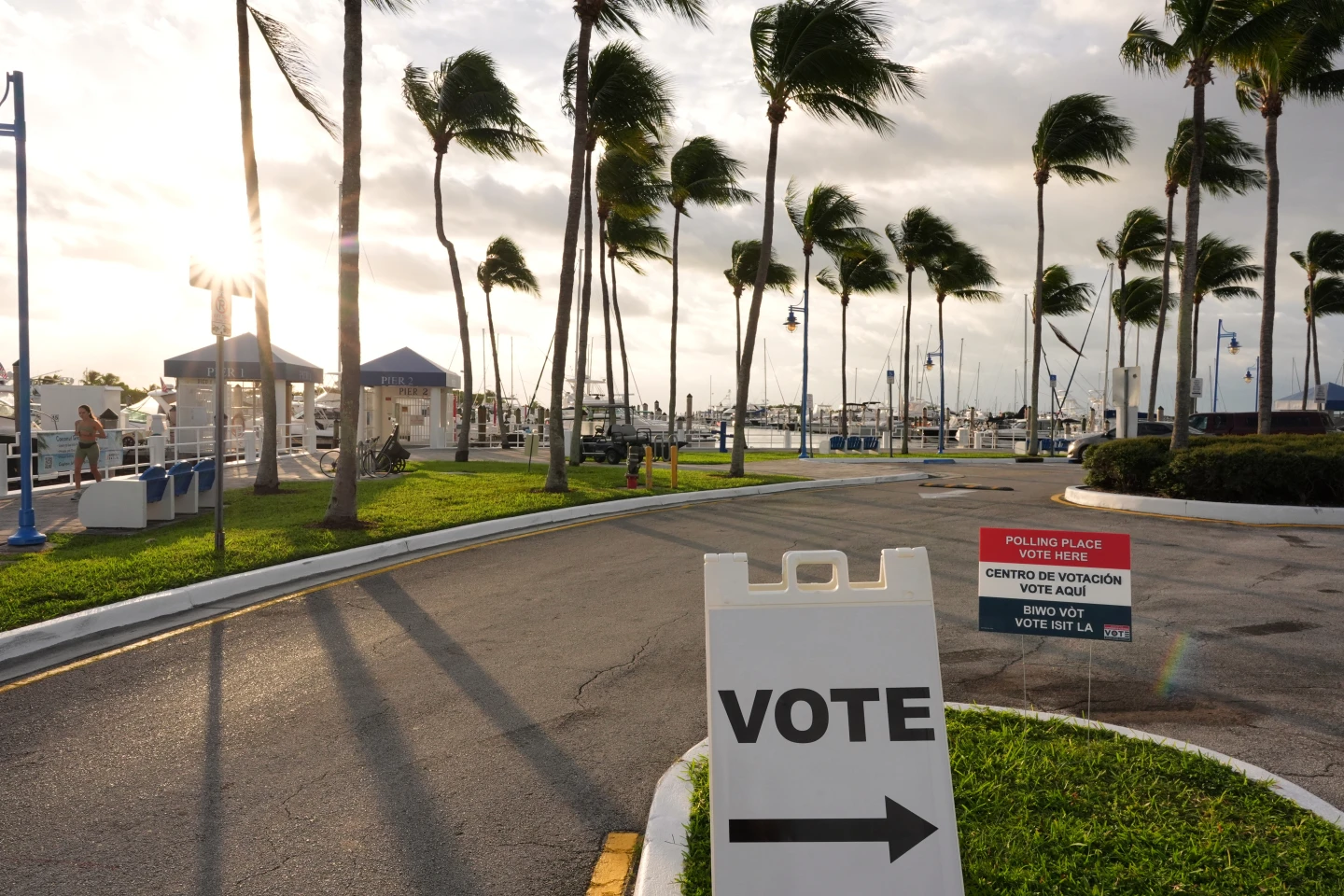
Four Republican-led states, namely Iowa, Florida, Indiana, and Ohio, have reached a settlement with the federal government concerning lawsuits filed over access to voter citizenship data. The controversy began as the states claimed that the Biden administration was withholding essential citizenship information leading up to the critical upcoming 2024 presidential election.
A year after initiating individual lawsuits against the Department of Homeland Security, officials from these states have now concluded a settlement that will enable them to run extensive searches for potentially thousands of voters using names, birthdays, and Social Security numbers through the recently upgraded Systematic Alien Verification for Entitlements (SAVE) program. The agreement allows them to share driver’s license records with the federal government to enhance the data verification processes.
This development is significant as it may shape the voter registration landscape before the next midterm elections in 2026. However, the expansion of the SAVE program has raised alarms among voting rights advocates, who worry it may facilitate the unlawful purging of eligible voters from the lists. The program, which plays a crucial role in verifying citizenship status, was notably updated earlier this year under the direction of the Department of Homeland Security.
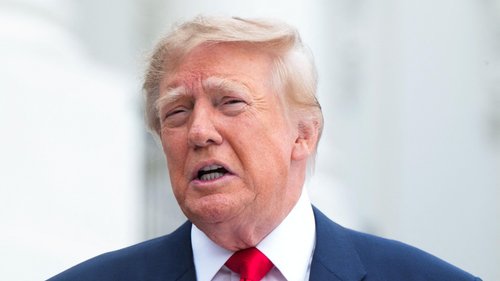
The noncitizen voting issue has historically been contentious and largely tied to claims made by former President Donald Trump, alleging widespread voting irregularities. Critics argue that verified instances of noncitizen voting are exceedingly rare and emphasize the potential for misuse of the data gathered through this settlement, highlighting the necessity for strict oversight.
Each participating state is expected to establish a memorandum of understanding regarding the execution of the SAVE program within a three-month timeframe. Additionally, they will negotiate new agreements aimed at enhancing the effectiveness of the SAVE system, which may involve the submission of random driver’s license records to DHS.