In brief
Recent satellite imagery indicates that Russian naval vessels have momentarily vacated their primary port in Syria, raising speculation regarding Moscow's military strategy in response to the changing political landscape following the potential fall of Bashar al-Assad.
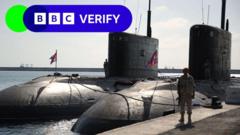
The departure of the ships from the Tartous naval facility comes as the Kremlin emphasizes the importance of securing its military presence in the region. In images obtained by BBC Verify dated December 10, it's evident that several ships have retreated from the Tartous port, now stationed offshore in the Mediterranean. However, activity continues unabated at the Khmeimim airbase, where satellite images confirm the presence of military jets. Kremlin spokesman Dmitry Peskov announced that Russia will engage in discussions with the incoming authorities concerning its military positioning in Syria. He highlighted that Russia is taking necessary precautions for its bases' safety, stressing the importance of maintaining contact with local authorities.The Tartous facility, crucial for the Black Sea Fleet and the only replenishment and repair hub for Russian forces in the Mediterranean, has historical roots dating back to the Soviet era and has been reinforced since 2012 amid rising support for Assad’s regime. This port allows Russian ships to maintain a Mediterranean presence without navigating back to Black Sea ports, and is capable of accommodating nuclear submarines.The recent satellite observations indicate an operational movement by Russia, with guided missile frigates positioned approximately 13 kilometers off the Syrian coast. The fate of the remainder of the fleet remains uncertain. Analysts, including Mike Plunkett of Janes, suggest this move could be a precautionary measure against potential threats, whether from Syrian rebels or Israeli operations. Frederik Van Lokeren added that the Russian navy is in a state of indecision, hinting at possible negotiations regarding vessel redeployment.Some experts speculate that in the event of a permanent withdrawal from Tartous, Russia may shift its naval assets to Libya’s Tobruk, an area under the influence of Kremlin ally Khalifa Haftar. However, such a move could prove costly and strategically disadvantageous, placing Russian vessels closer to NATO installations and enhancing tracking capabilities.Meanwhile, the Khmeimim airbase remains critical for Russian operations, sustaining air strikes in Syria since its establishment. Satellite images reveal that large military transport aircraft continue to occupy the tarmac, suggesting a lack of imminent evacuation plans.Analyst Dara Massicot noted that any evacuation from Khmeimim would require substantial airlift operations, indicating that a major withdrawal is not on the immediate horizon. This situation represents a significant setback for Russian ambitions since the Assad regime’s collapse challenges the Kremlin's aspirations in the Middle East.The current dynamics reflect a precarious situation for Russia, as significant military presence in Syria now hangs in the balance, with emerging challenges foreshadowing a more complex geopolitical landscape for Moscow.