In brief
South Korea is facing its largest wildfires in history, driven by dry conditions, strong winds, and an abundance of pine forests, exacerbated by climate change. The fires have resulted in multiple fatalities and significant challenges for vulnerable populations.
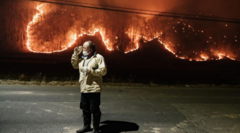
The recent wildfires ravaging South Korea have reached catastrophic proportions, making them the most devastating seen in the nation's history. As of Thursday, the blazes have consumed an alarming 35,810 hectares (88,500 acres) of land, an area comparable to almost half the size of New York City. Tragically, the fires have claimed the lives of 27 individuals and displaced tens of thousands more. Experts have identified a combination of factors fueling the severity of these wildfires, including strong winds, a dense concentration of forested areas, and unusually dry weather. Authorities suspect the inferno initially ignited through human activity, but it is the combination of dry soils and robust gusts sweeping through inland territories that is driving the rapid devastation. The region's expansive pine forests, particularly in North Gyeongsang province, have been identified as a key contributor. Pine trees, known for their resin content which acts like flammable oil, can intensify fires, resulting in faster and more potent burning conditions.Andong, one of the cities hardest hit by the inferno, is famous for its serene pine forests. While these trees provide essential wildlife habitats and can mitigate winds, they also significantly complicate wildfire scenarios, according to Lee Byung-doo from the National Institute of Forest Science in Seoul. The presence of numerous pine trees in the area makes it particularly susceptible to outbreaks of wildfires. Moreover, the trees’ tendency to retain needles during winter increases the risk of "crown fires," where flames leap to the treetops, further exacerbating the fire's spread.In contrast to neighboring countries, South Korea has seen an increase in forest cover over recent years, with an abundance of fallen leaves and pine trees contributing to an environment conducive to wildfires. Climate change has emerged as a significant factor, causing conditions that have intensified the current crisis. Disaster chief Lee Han-kyung noted that this wildfire underscores the severe realities brought by global warming, which has rendered recent high temperatures—recorded above 20°C (68°F) during spring—up to five times more likely. Such unusual heat has exacerbated dry land conditions, promoting rapid fire spread when combined with strong winds.The environmental challenges have hampered firefighting efforts, exemplified by the recent death of a 73-year-old pilot in a helicopter crash while combating the flames. The elderly population, particularly those over 60 years old, has been disproportionately affected, accounting for the majority of casualties. In North Gyeongsang, a province noted for its ageing demographics, the vulnerability of older individuals has complicated evacuation efforts, especially for those unable to assist themselves. Disturbingly, three residents from an elderly care facility perished when their vehicle caught fire during their evacuation attempt.As the community grapples with loss and uncertainty, concerns have mounted regarding the well-being of displaced residents, especially seniors who may struggle with mobility and accessibility to shelters. One evacuee expressed dismay over the lack of preparedness within her village, emphasizing the urgent need for support structures from government agencies.Cultural heritage has also suffered grievously, as numerous historical artifacts and sites have been obliterated, including ancient temples dating back over a millennium. These losses have not only affected the physical landscape but also dealt a heavy blow to a region known as one of South Korea's cultural hubs.