Saudi Arabia faces a confrontation in a region where neutrality can turn into a liability. Historically, Riyadh has kept a low international profile, stepping back from the U.S. campaign against Iran that launched on 28 February. Recent waves of drone strikes from the Iranian-backed Popular Mobilisation Forces in Iraq and the Houthis in Yemen have forced the kingdom to reconsider that stance, sparking joint attacks with U.S. forces this week.
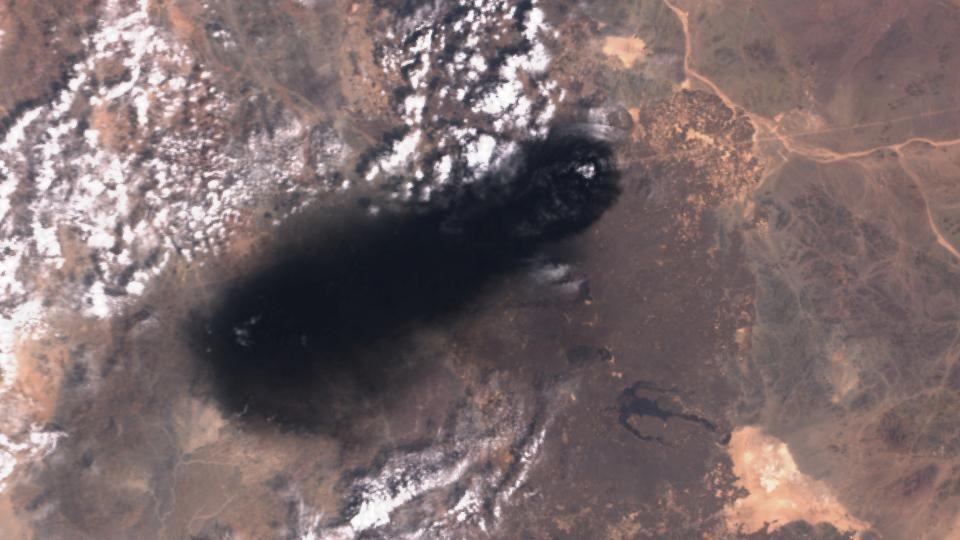
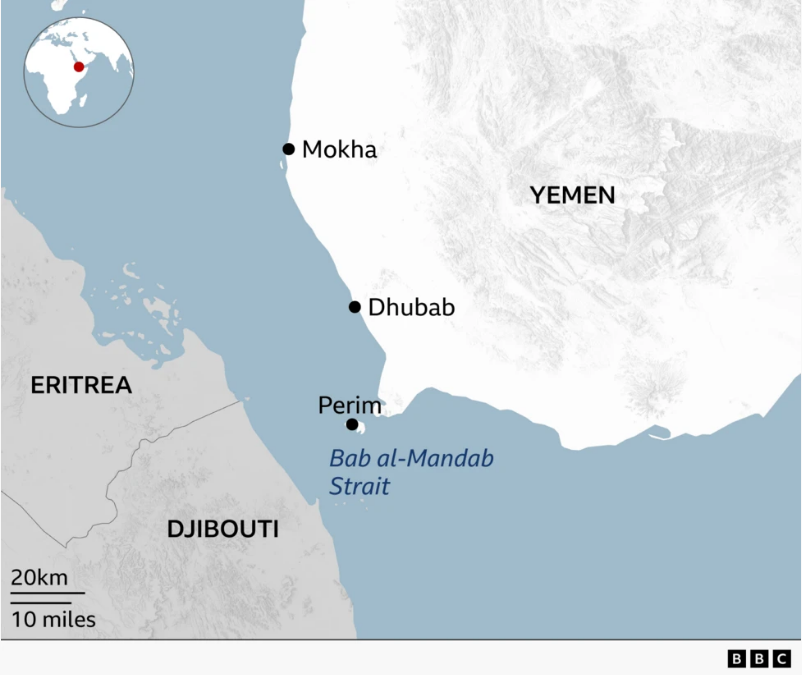
On the charted crisis map, the north‑south challenge is stark: Iranian satellites launch missiles at Saudi oil sites; the Houthis wedge and attack shipping lanes in the Bab el Mandeb, choking cargo into Asia. The attacks cut off half of Saudi oil exports for days and exposed the vulnerability of critical infrastructure that Vision 2030 aims to modernise.
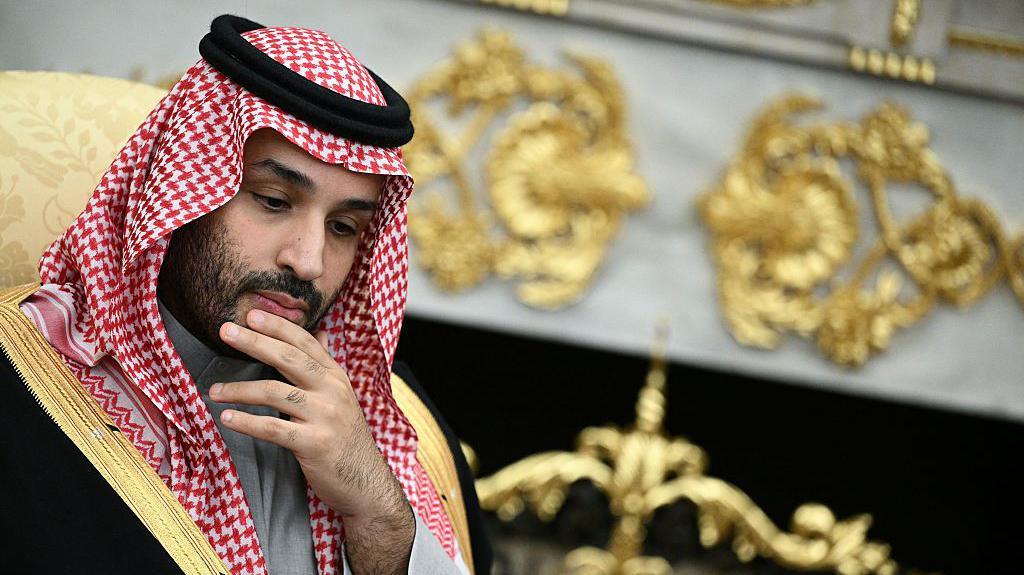
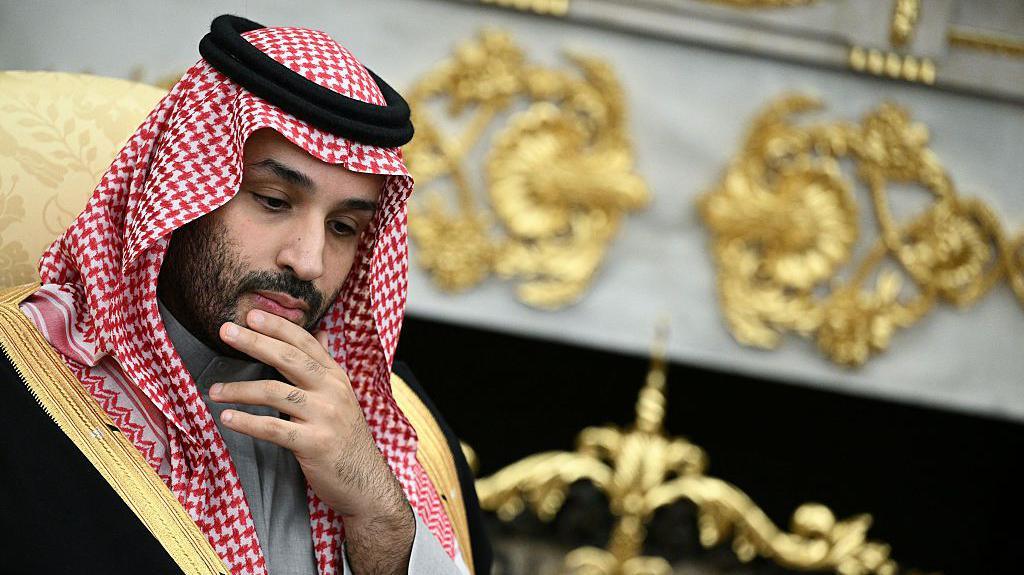
Kingdom policy, led by Crown Prince Mohammed bin Salman, pursues economic diversification through Vision 2030: attracting foreign investment, building data centres, and developing new industries that can absorb a growing workforce. Yet these ambitions are jeopardised by the escalating military threat.
The dilemma now sits on a knife’s edge: whether to keep answering more strikes as deterrence, or to broker a de‑escalation that could involve negotiations or payments to the Harbain militants.
Independent analyses suggest that the kingdom’s choice will shape not only its own security but also the broader Middle East equilibrium, altering oil flows and influencing the global economic impact of the Iranian confrontation.