In brief
Spanish rail authorities announced a temporary speed limit reduction on the high-speed line between Madrid and Barcelona after discovering a crack in the track. This decision comes in the aftermath of a tragic crash that killed 45 people and amid ongoing investigations into the safety of the rail network. The limit is now set at 80 km/h, significantly lower than the usual speed of up to 300 km/h. Severe disruptions have also impacted local rail services in Catalonia.
Spanish rail authorities have temporarily reduced the speed limit on part of the high-speed line between Madrid and Barcelona after a fault was detected on the track. Transport Minister Óscar Puente confirmed that a crack was found on Sunday night in the line 110 km (68 miles) west of Barcelona, between Alcover and l'Espluga de Francolí, in the Catalonia region.
This announcement follows days after a high-speed collision that claimed the lives of 45 individuals in southern Spain, alongside severe disruption faced by local rail services in the northeast of the country. Despite the crack, the transport ministry assured that there was no immediate danger for trains traveling at reduced speeds on the affected section.
The new speed limit for this track will be 80 km/h (50 mph), significantly lower than the usual speed of up to 300 km/h for high-speed trains on Spain's busiest train corridor. Just last week, speed limits on various segments of the Madrid-Barcelona line had been temporarily reduced to 230 km/h after reports of vibrations and anomalies were reported, which were later restored after technical evaluations.
Additional reports indicated that sections of the Madrid-Valencia line also experienced temporary speed reductions of 160 km/h and 200 km/h.
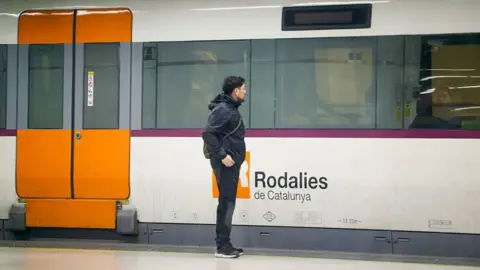
The local Rodalies service in Catalonia has been impacted severely, especially after a recent tragic incident where a trainee driver died when a train collided with a collapsed wall. Following this, service was grounded while drivers advocated for improved safety standards.
On Monday, other incidents led to further chaos, causing suspensions in service again. The Spanish government is investigating these interruptions, with speculation of a possible cyberattack being considered. The Catalan Republican Left (ERC) party has criticized the long-standing underinvestment in the Rodalies network.
Prime Minister Pedro Sánchez is scheduled to answer queries before Congress regarding the rail crisis on February 11.
The fault investigation continues into the recent crash in Adamuz, causing scrutiny over rail safety. The cracked rail segment, which was welded onto older infrastructure, allegedly led to the accident, highlighting potential deficiencies in maintenance procedures by the rail authorities.
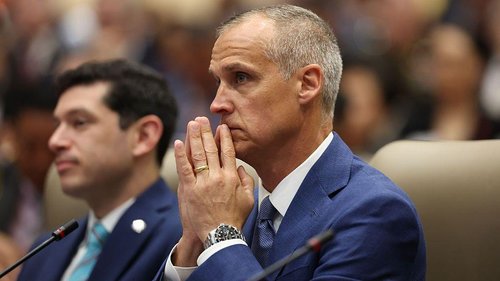
Political opposition calls for the resignation of Transport Minister Óscar Puente have intensified, accusing him of public misinformation in the aftermath of the accidents.