Supreme Court Upholds Birthright Citizenship, Delivering Blow to Trump
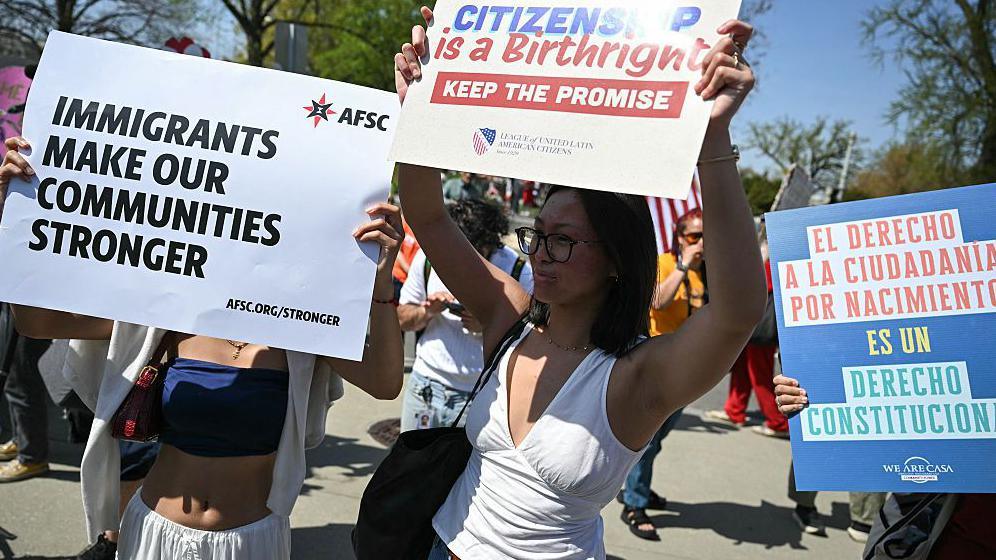
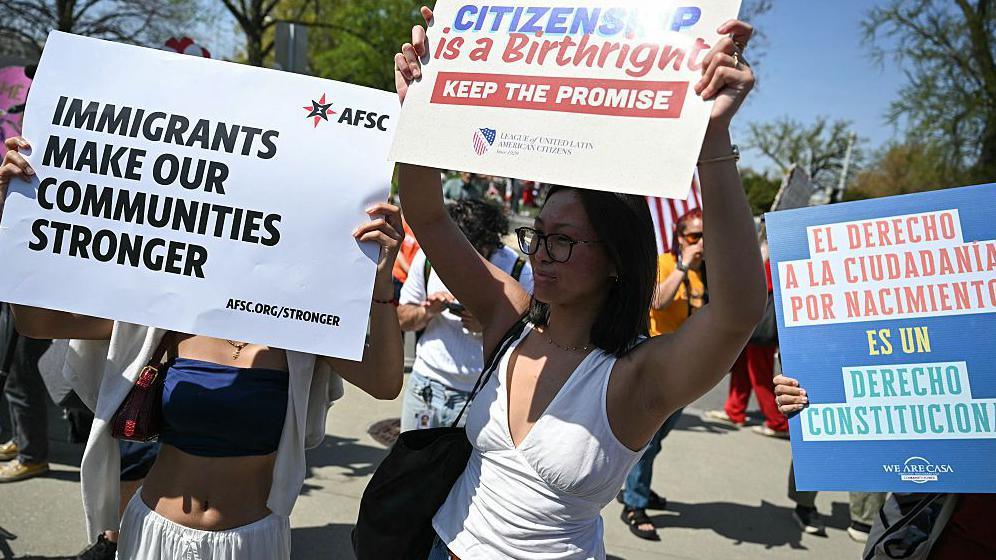
In a decisive 6‑3 ruling, the U.S. Supreme Court confirmed that every child born on American soil is a citizen, irrespective of the legal status of their parents. Chief Justice John Roberts wrote that the 14th Amendment’s phrase “all persons born…subject to the jurisdiction thereof” applies to every child born in the United States, thereby rejecting President Trump’s executive order that sought to end birthright citizenship for those born to undocumented foreigners and temporary visitors.
The justices referenced the landmark 1868 14th Amendment, which was originally designed to secure citizenship for newly freed slaves. Roberts emphasized that its scope extends “every free‑born person in this land.” Three justices—Clarence Thomas, Neil Gorsuch and Samuel Alito—dissent, arguing that the Court’s decision expands citizenship to anyone who simply travels to the U.S. to give birth and then returns to their country of origin.
The ruling has implications for immigration policy: it stops the Trump‑era attempt to prevent children of undocumented immigrants from automatically earning citizenship at birth, and it robs the administration of a key tool to curb migration.
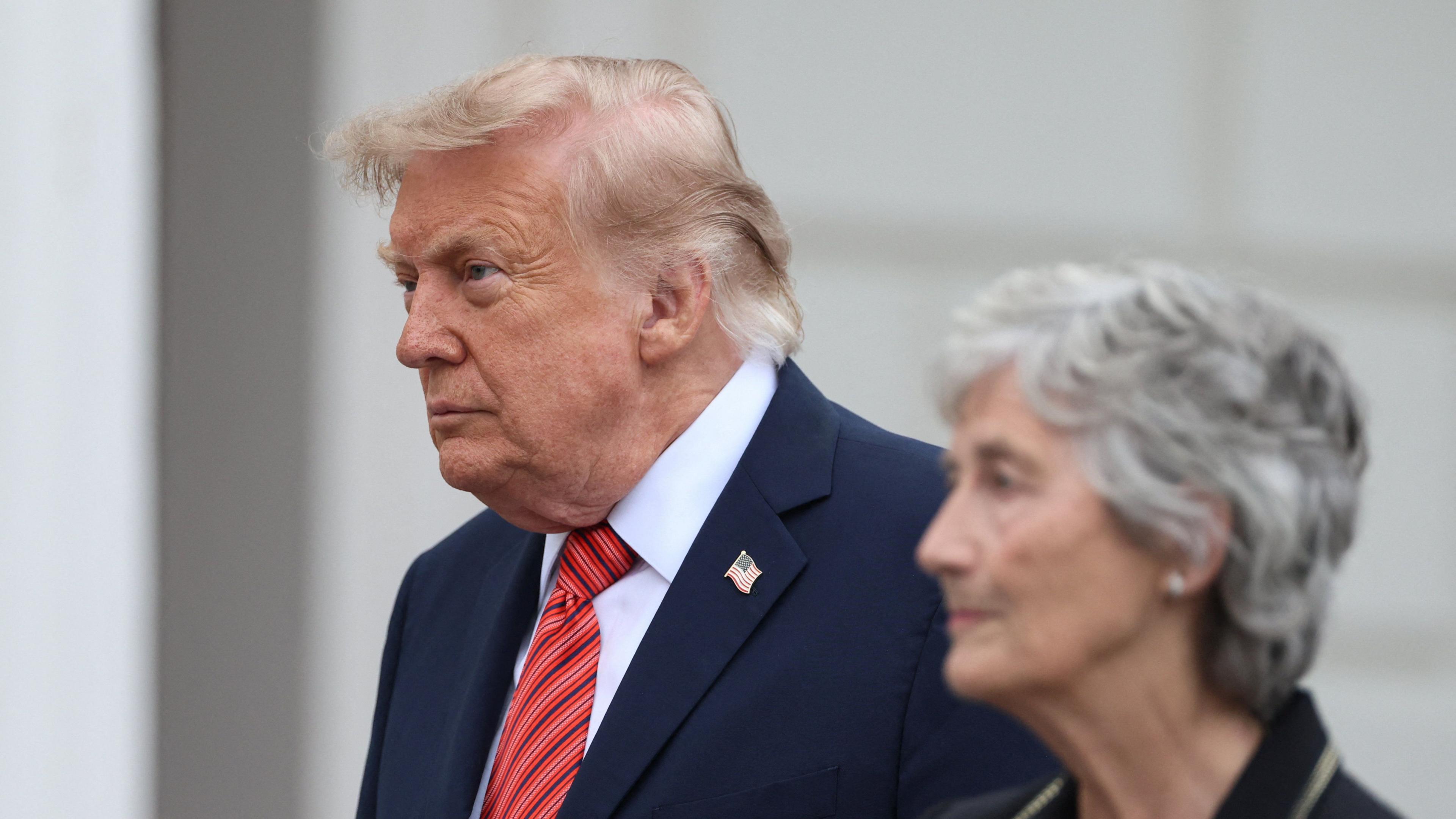
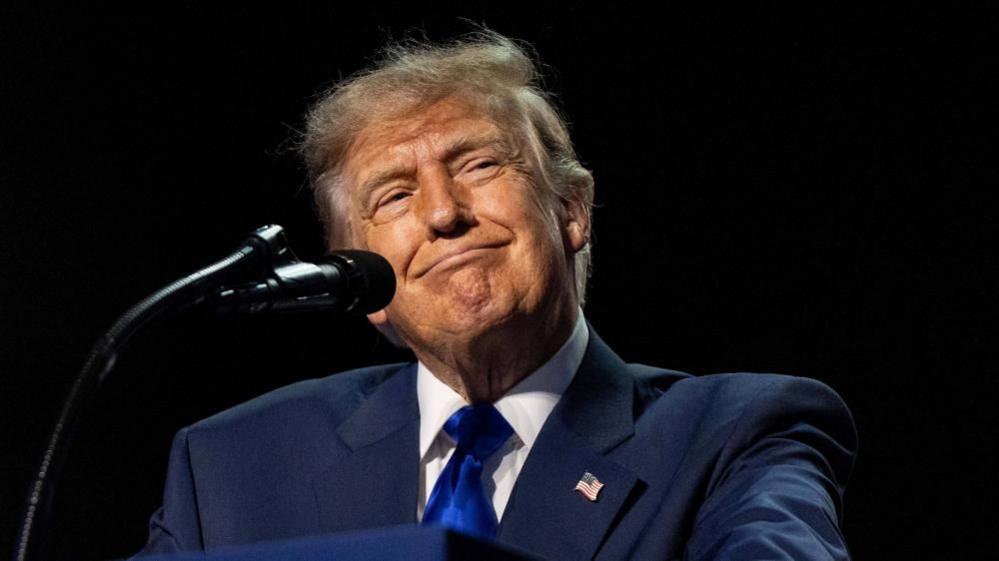
President Trump, responding on Truth Social, declared “too bad” and pledged to continue the fight via legislation, saying: “No long and unwieldy constitutional amendment is necessary. Congress should today start work on ending expensive, and unfair to our country, birthright citizenship.”
In contrast, Democratic leaders celebrated the decision. House Minority Leader Hakeem Jeffries stated, “The Court finally affirmed that all persons born in the United States are American citizens.” Lawyer Dariely Rodriguez added, “Anyone born on American soil, regardless of the legal status of their parents, is born an American citizen.”
The Court’s judgment echoes its earlier rulings in cases such as United States v. Wong Kim Fai and Shurtleff v. Heller, which reaffirmed birthright citizenship for children of non‑citizens. It also reflects the ongoing debate over how the 14th Amendment should be interpreted in a modern, globalized world.
The Supreme Court’s decision underscores a historic constitutional guarantee while simultaneously resetting the balance of power in the U.S. immigration debate. As the nation reacts to the ruling, the focus shifts to the practical application of citizenship laws, including how states and local authorities will handle applications for naturalization and how the federal government will adjust its immigration enforcement strategies.