Tate Brothers Face 59 Charges After US Arrest in Extradition Case
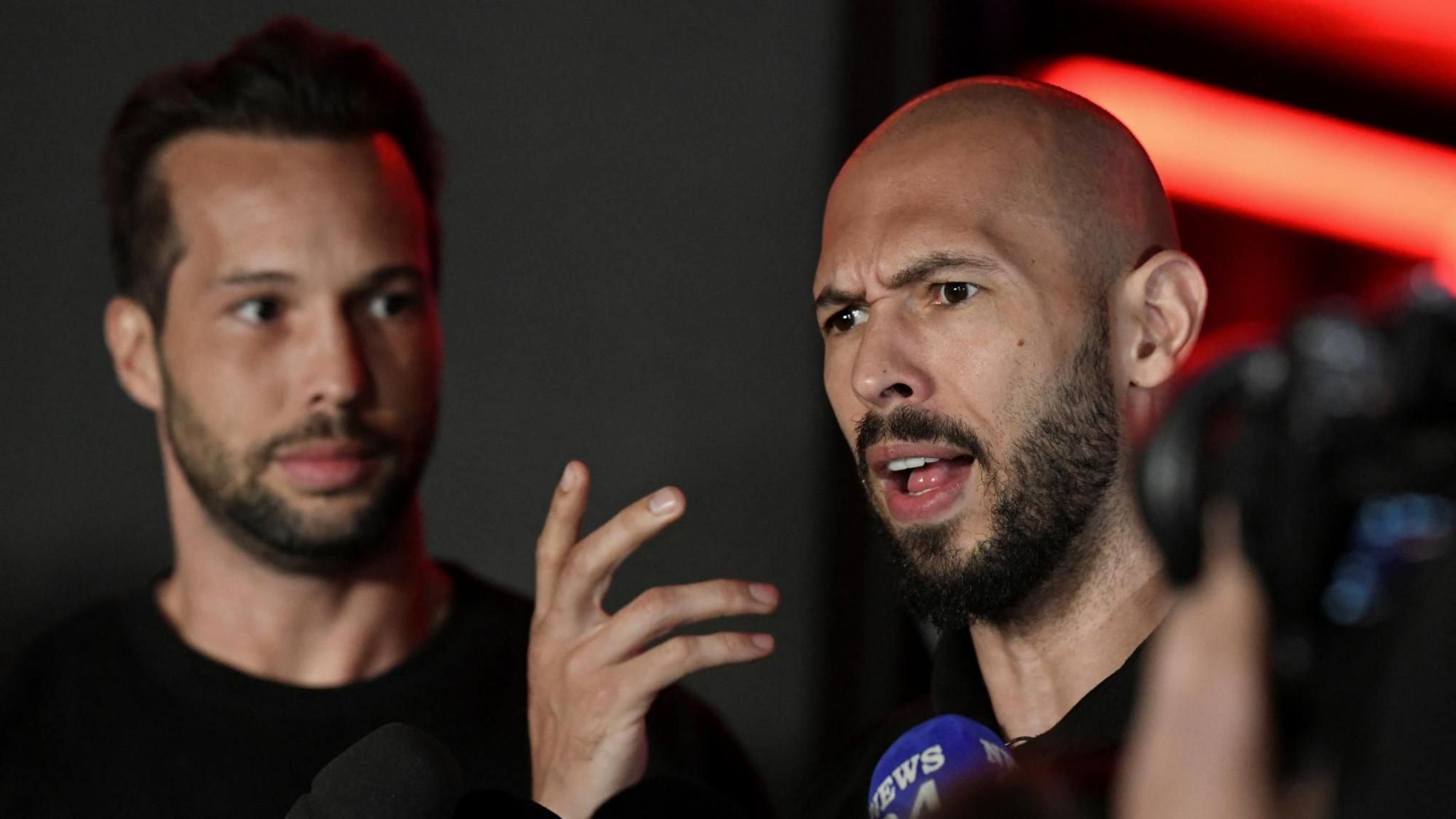
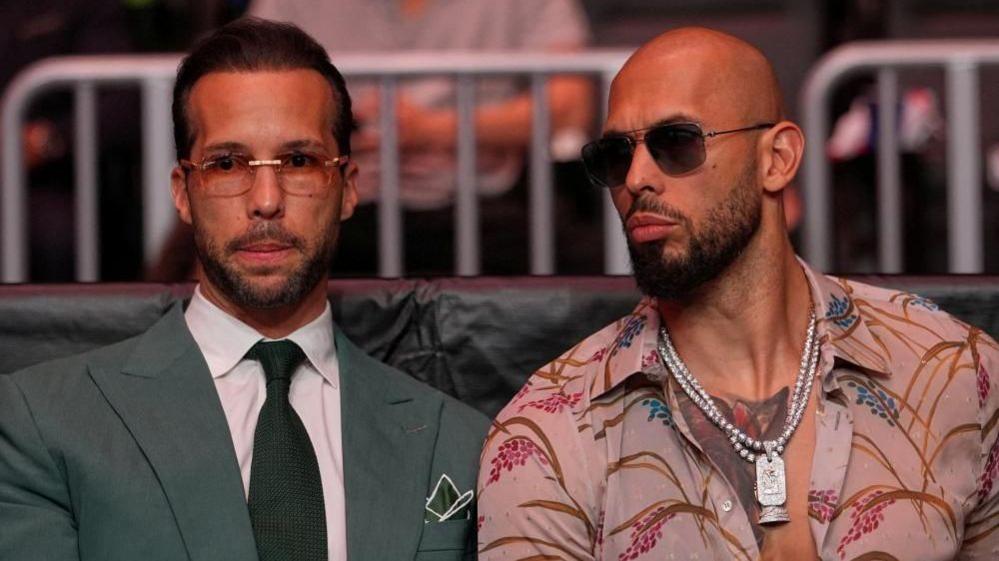
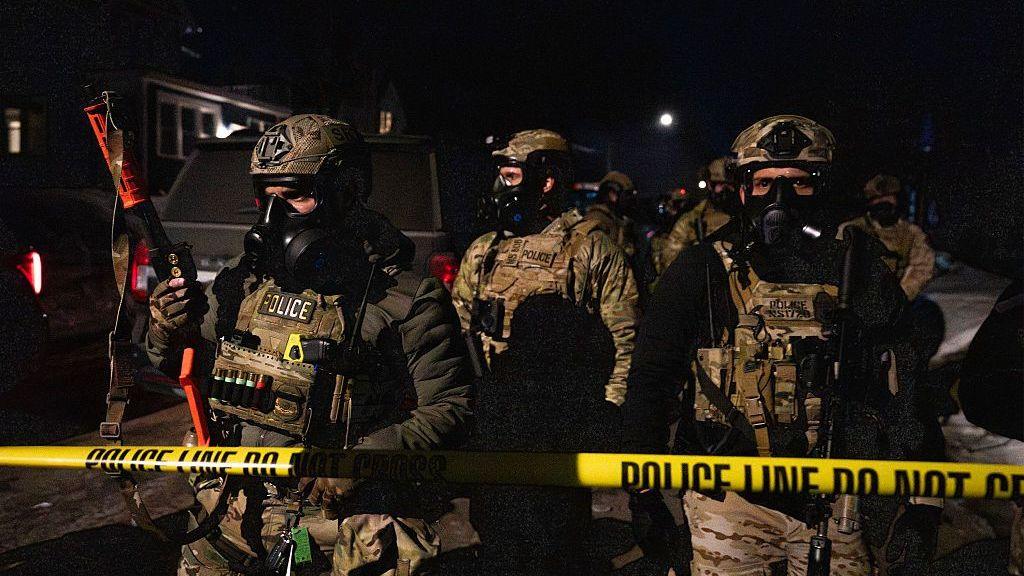
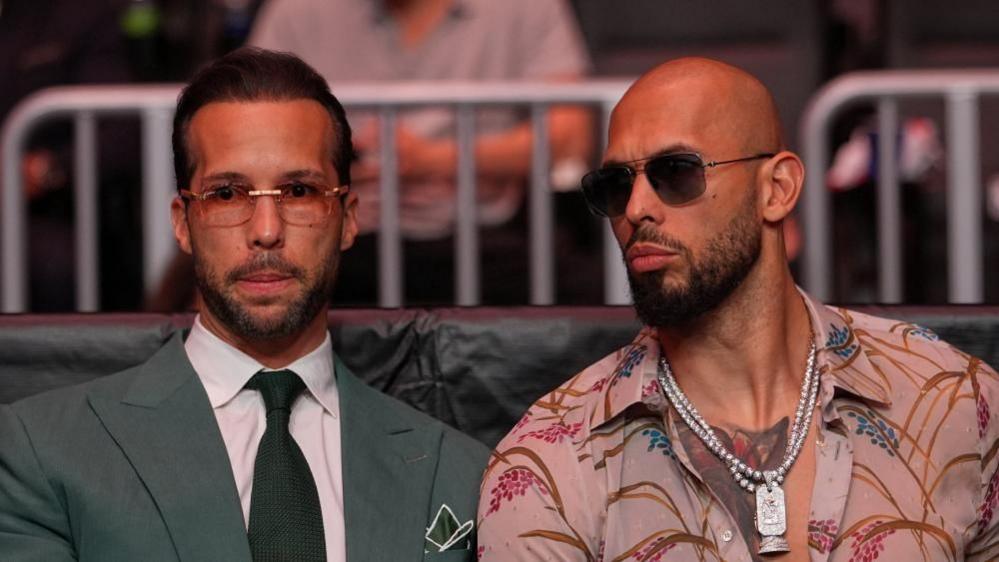
Andrew Tate, the self‑proclaimed entrepreneur and former kickboxer, and his brother Tristan were seized by US Marshals in Washington on Saturday, just hours after the Crown Prosecution Service in London announced 38 new offences to bring the total count to 59.
The new charges, issued by Bedfordshire Police, comprise seven additional counts of rape for Andrew and two for Tristan, along with new allegations of sex‑trafficking and the procurement of indecent child images. Prosecutors say the alleged incidents occurred between July 2010 and August 2017, a period during which the brothers maintained a public persona that attracted both fascination and criticism.
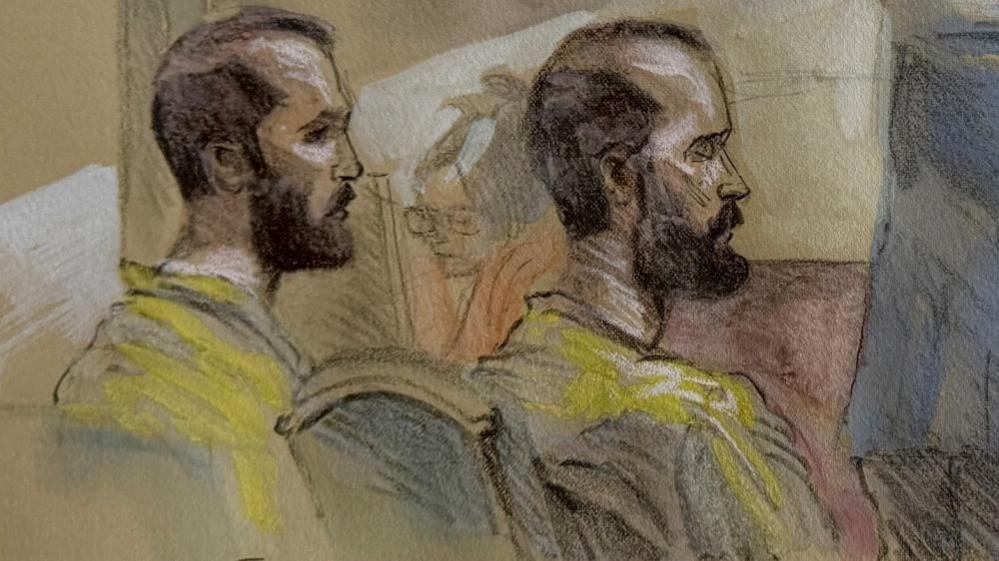
Both men are dual British‑American citizens and are currently in Romania, where they are under investigation. Following the arrest, US authorities confirmed that extradition proceedings were being initiated under a UK request. The Crown’s case also withheld the names of the alleged victims until the formal legal process commenced, a move that has been criticised by some victims’ families.
Andrew’s legal representative, Joseph McBride, described the extradition effort as a politically driven campaign, arguing that “the world knows Andrew and Tristan are innocent.” His statement also suggested that the charges serve to undermine a defamation lawsuit the brothers had filed in the United States.
Legal analysts point to the complexity of the case: “Bedfordshire and Hertfordshire police have described the investigation as complex, involving cross‑border extradition, multiple crimes spanning a seven‑year period, and high‑profile media scrutiny.” Meanwhile, advocacy groups have urged the courts to move forward swiftly, citing the defendants’ alleged victims’ desire for justice.
As the extradition process unfolds, the case will likely become a focal point for international law and the interplay between the UK and US criminal justice systems. The legal saga also underscores the growing use of combined law‑ enforcement frameworks to tackle allegations of sexual exploitation and trafficking that transcend national borders.