In brief
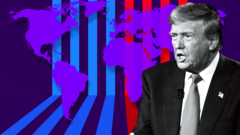
As Donald Trump gears up for a possible return to the presidency, global leaders and citizens are bracing for shifts in foreign policy that could affect regional dynamics and international alliances. Ukraine, for instance, is uncertain about continued U.S. support amid fears that Trump could negotiate with Russian President Vladimir Putin, potentially weakening their position against aggression. In contrast, Russian commentators express cautious optimism, noting a possible decline in U.S. global dominance. Meanwhile, European leaders are contemplating the implications for security and trade, especially regarding U.S. tariffs. Israel's acknowledgment of Trump’s historically favorable stance raises questions about U.S. involvement in regional conflicts, particularly in relation to Iran and Palestine. On the other hand, China views Trump’s election through the lens of trade tensions, wary of potential U.S. economic policies that could further escalate conflicts. Each of these perspectives highlights the intricate web of international relations that will be influenced by Trump's presidency.
In summary, Trump's reelection has ignited a spectrum of global responses, signaling potential shifts in foreign policy that could reshape international alliances and conflicts.In regions like Ukraine, leaders express apprehension regarding U.S. military support post-Trump’s election. Contrarily, Russian analysts show optimism for a weakening U.S. stance globally. In Europe, leaders forebode challenges in security and potential tariff disputes. Middle Eastern dynamics, particularly concerning Israel and Palestine, also face uncertainty regarding U.S. intervention. Meanwhile, China braces for renewed trade conflicts and considers its own strategy in a post-Trump geopolitical landscape. The reverberations of Trump's victory extend far beyond U.S. borders, necessitating a closer examination of emerging trends and responses worldwide.Trump's win evokes varied reactions, with leaders and citizens weighing the implications for their regions due to potential shifts in U.S. foreign policy.In the face of uncertainty, many are left to wonder what a Trump presidency will mean for their respective countries and geopolitical positions, while simultaneously testing the limits of international alliances. The view from countries where Trump's win really matters reflects a complex interplay of fear, caution, and opportunity as the world anticipates the unfolding impact of his leadership.