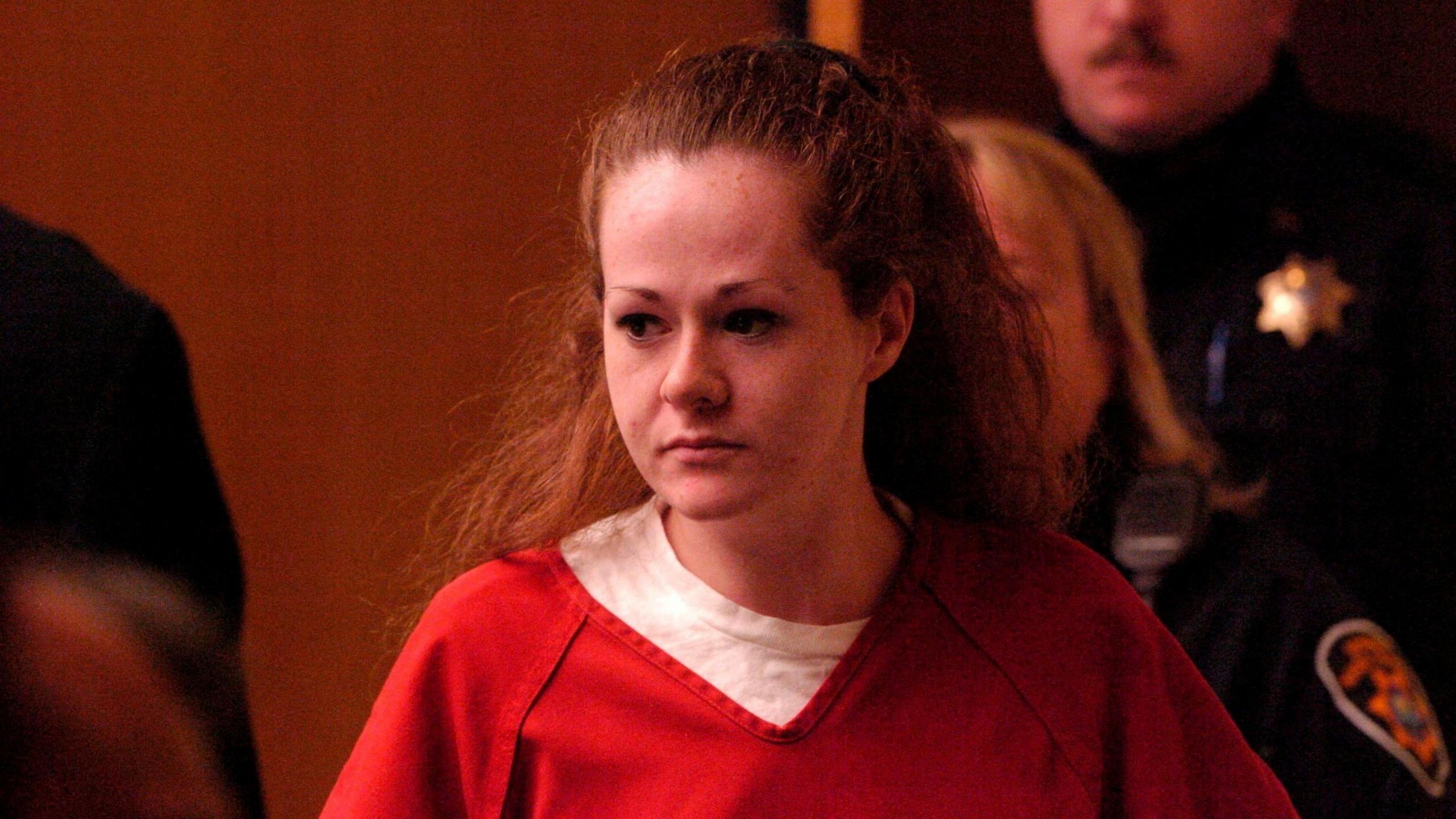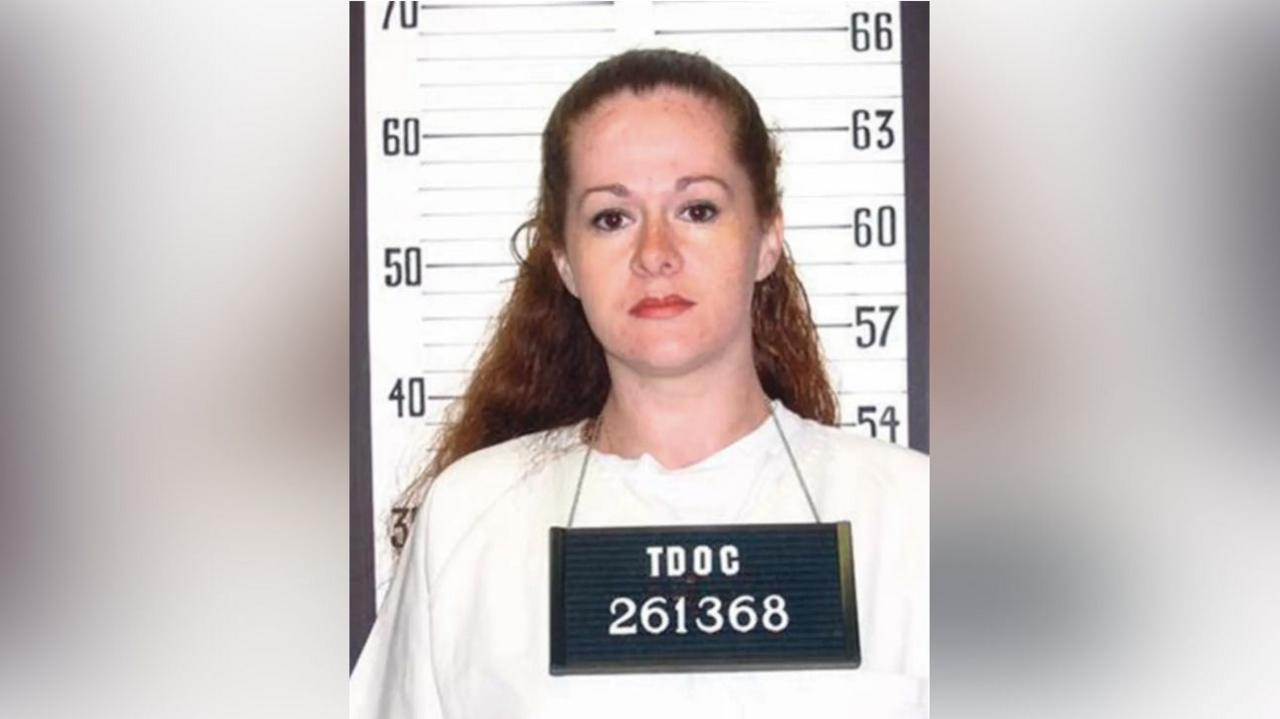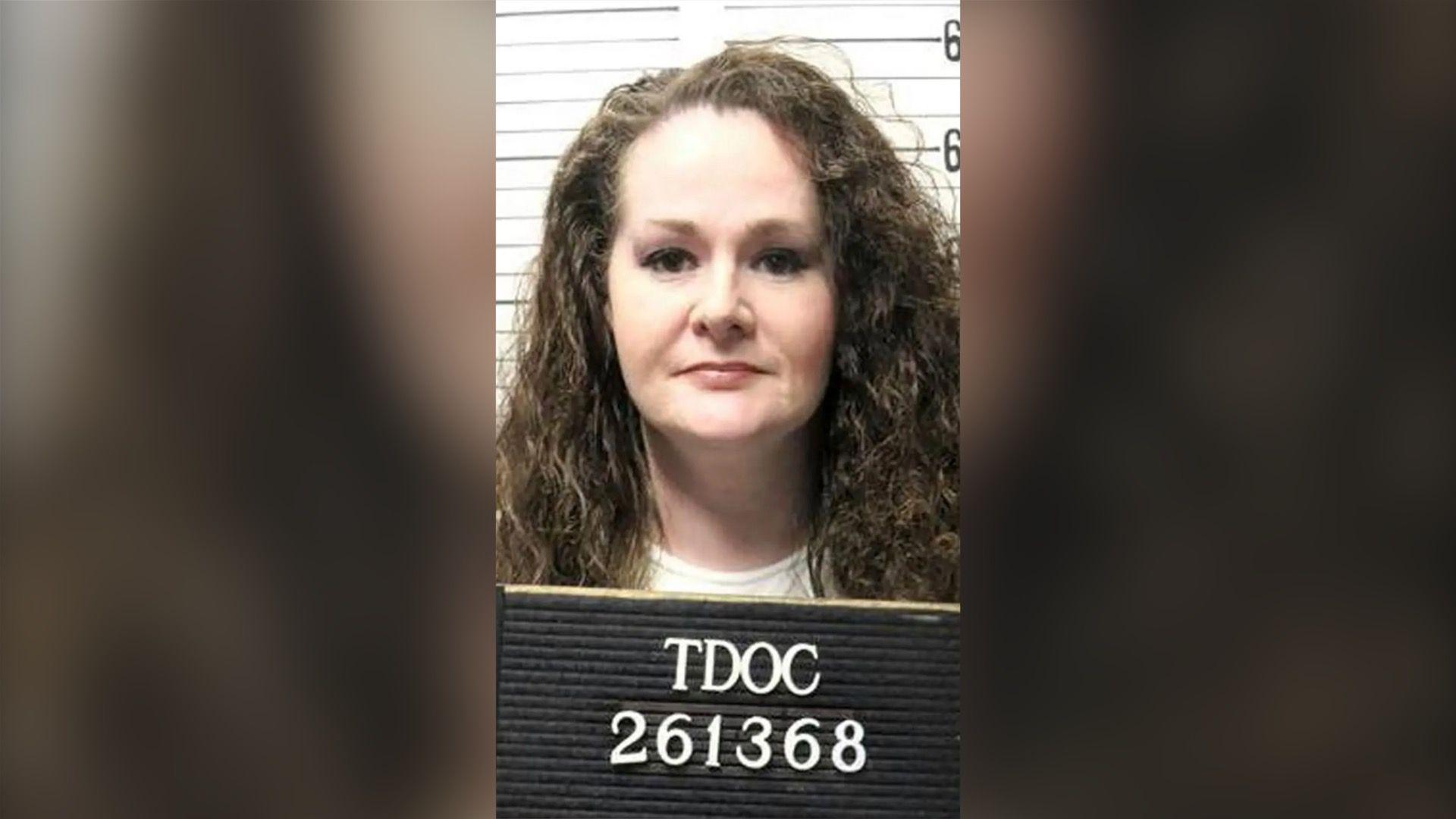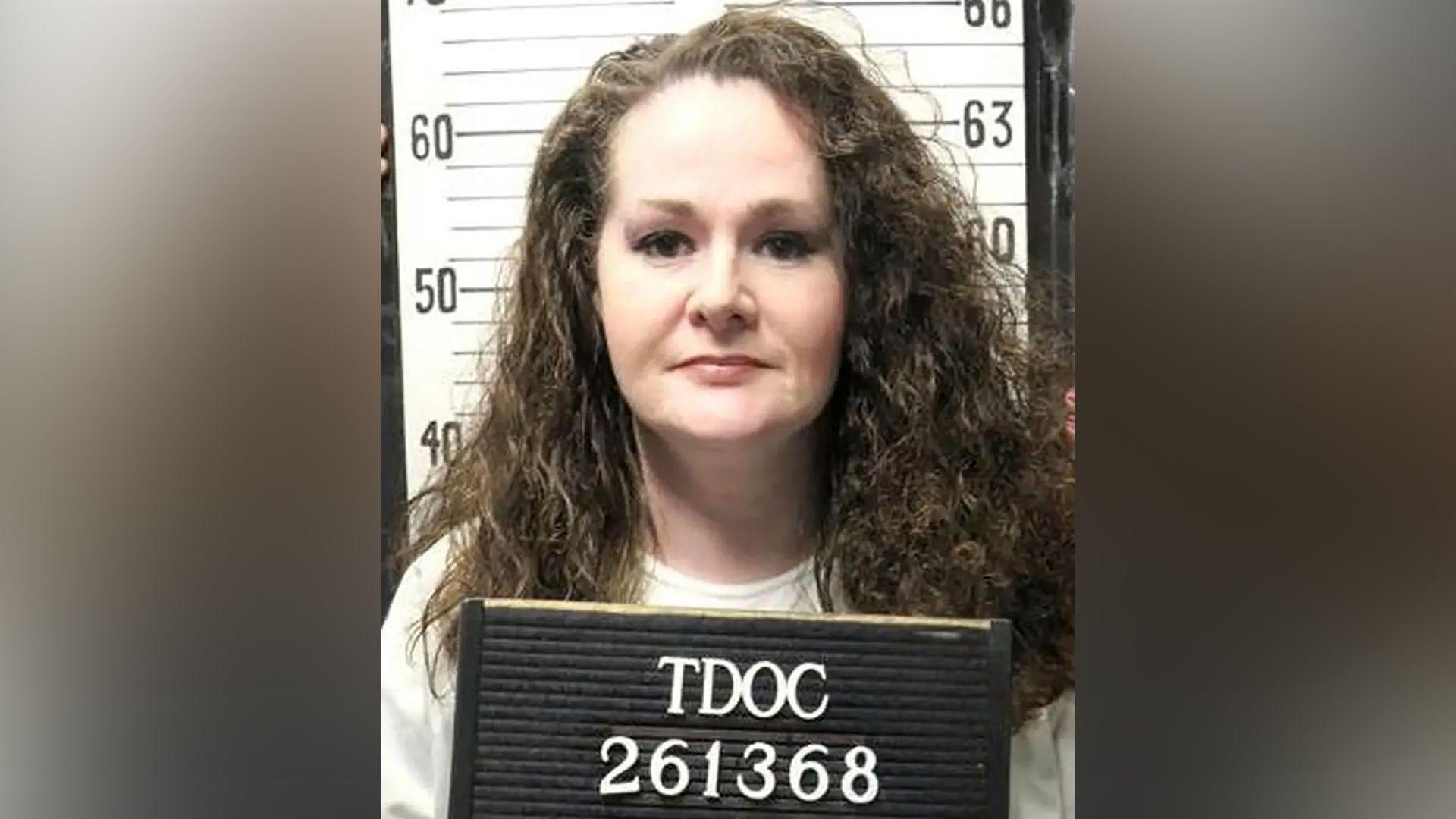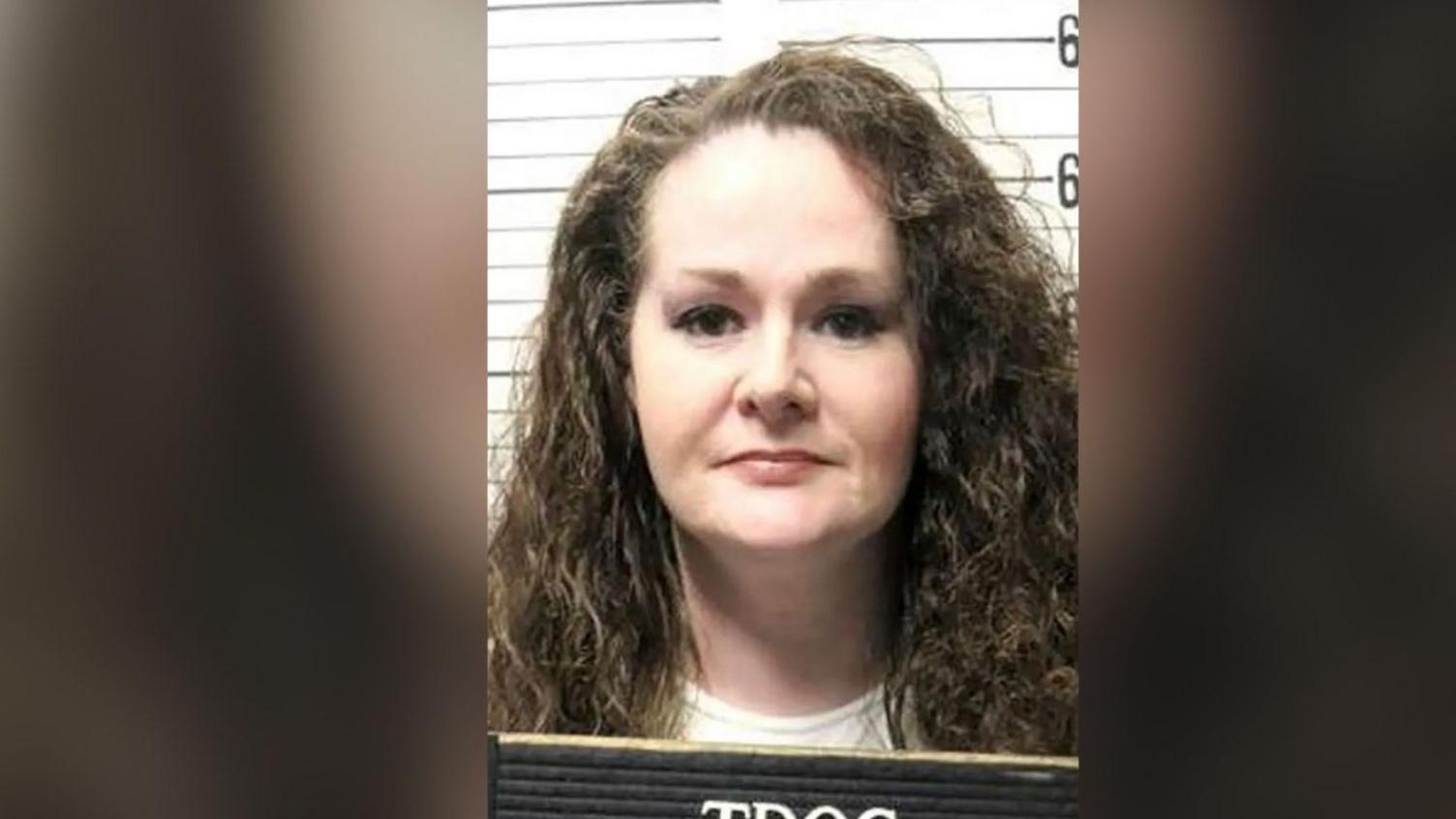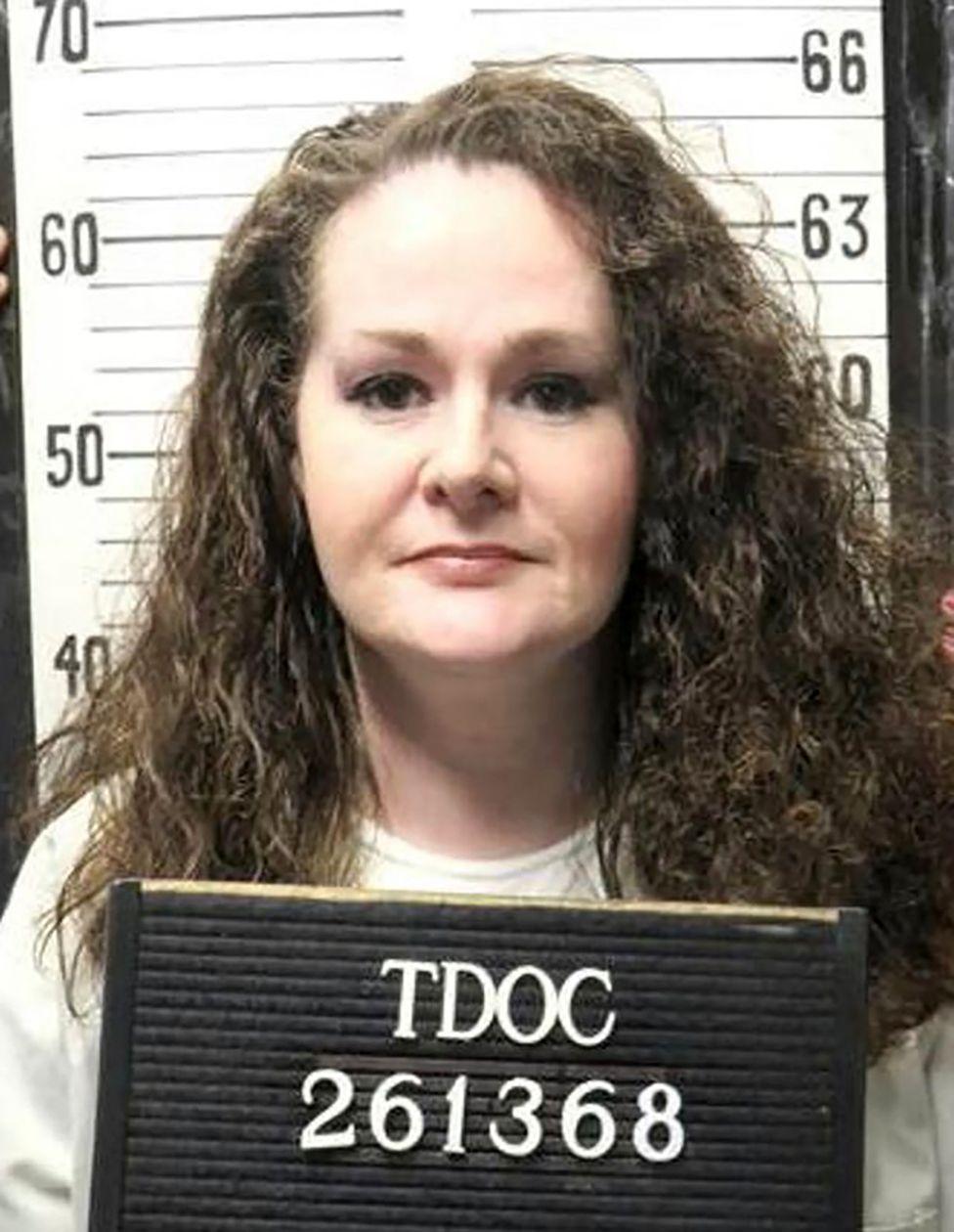
On October 1, 2026, the Tennessee Department of Correction carried out a lethal‑injection attempt on convicted murderer Christa Pike. Two injections of pentobarbital were administered, yet the drugs failed to halt her heartbeat. Pike was immediately transferred to an off‑site medical facility where physicians are providing life‑saving treatment.
The failure has forced Governor Bill Lee to suspend all executions in Tennessee for the remainder of the year and to commission an independent review of the state’s protocol. The department maintains that the protocol “does not allow for additional procedures beyond what was carried out,” but the protocol does not specify a clear course of action if an inmate remains alive after a second dose.
Pentobarbital, a potent barbiturate used in lethal injections, has been under federal scrutiny for potential pain and suffering. While the Biden administration banned its use in federal executions, states such as Tennessee are still permitted to employ the drug. Critics argue that the drug’s reliability is questionable, especially given the documented botched executions nationwide in recent years.
Legal experts note that the United States Supreme Court historically has not halted second execution attempts, citing cases that allow a second try after a failed first attempt. For instance, the 2024 Alabama case allowed a second execution using an experimental oxygen‑deprivation method after an earlier lethal‑injection failure. Thus, if Tennessee chooses, a second attempt on Pike could still be pursued.
Medical authorities warn of potential brain injury from the delayed resuscitation of Pike, and her legal team claims the drug she received was degraded. The Department of Correction has not addressed this allegation but maintains that the lethal‑injection chemical has “consistently been effective.”
The incident is part of a wider trend; in 2026, Tennessee saw at least one other botched execution when a vein could not be located, prompting a governor‑issued reprieve. According to the Death Penalty Information Center, more than one third of executions across the United States in 2022 were botched or highly problematic.
Christa Pike’s case also serves as a stark reminder of the tragedy at its center. Pike was convicted of murdering 19‑year‑old Colleen Slemmer in 1995 after a violent confrontation at a job‑training camp for troubled teens. Slemmer’s body was found with a carved pentagram, and Pike’s accomplice, 17‑year‑old Tadaryl Shipp, remains in prison on a life sentence. The victim’s family traveled long distances to witness the failed execution, underscoring the emotional toll of state‑sanctioned death.