
In brief
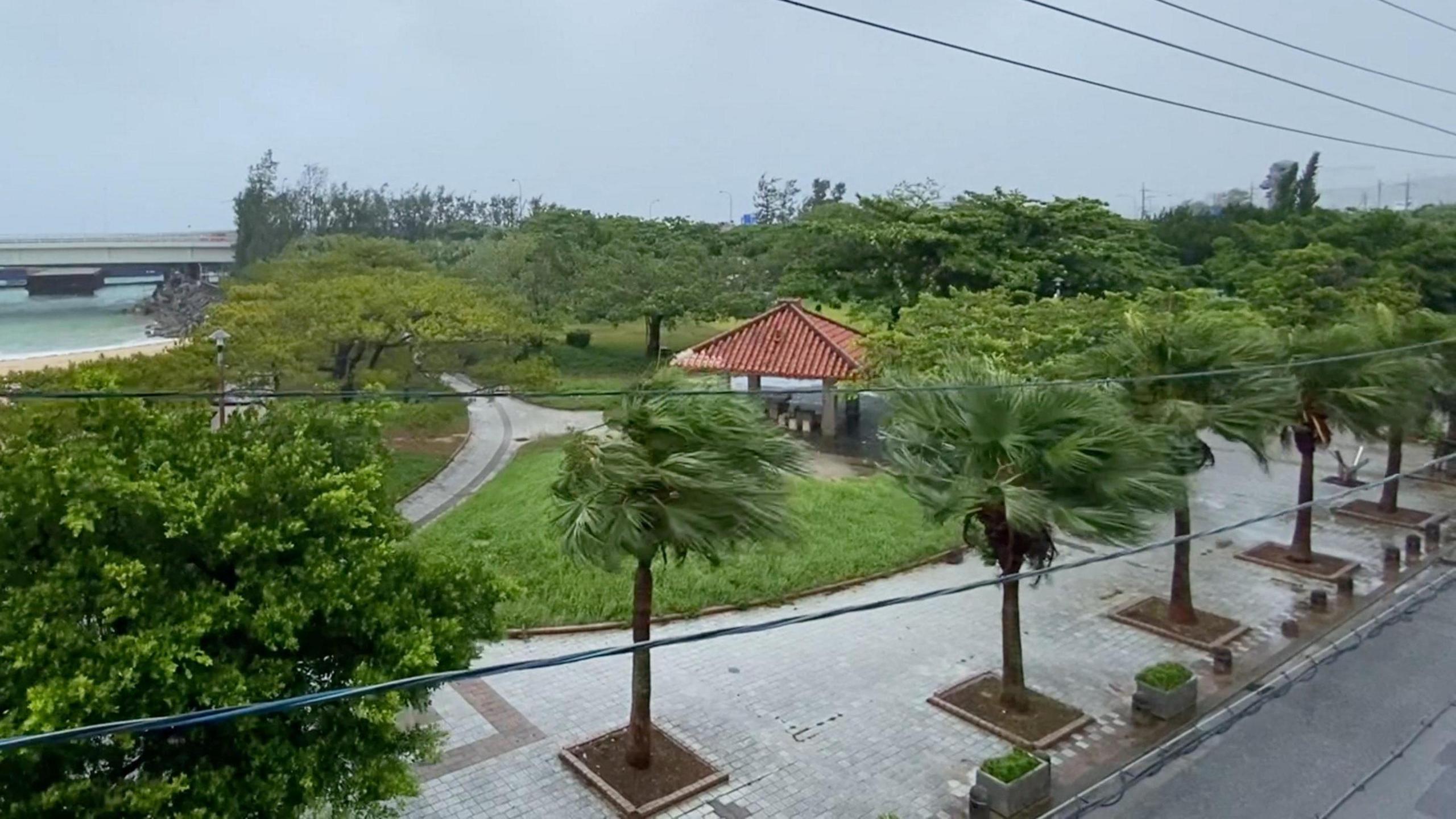
Typhoon Dolphin slammed into Japan’s Okinawa island, shutting down 44,000 buildings and damaging infrastructure while further tightening flight and port operations. The storm’s 162‑km/h winds caused tree damage and minor injuries, and the Japan Meteorological Agency flagged the system as a very strong typhoon. The cyclone now tracks toward China’s eastern coast, prompting early shutdowns of airports, ports and schools in Zhejiang province amid a strong El‑Niño‑enhanced season. Experts caution that Okinawa and the southern isles are likely to be most affected during this season’s increased storm activity.
Typhoon Dolphin slammed into Japan’s Okinawa island on Saturday, cutting power to at least 44,000 buildings and injuring five people. Naha International Airport was closed, halting flights as the storm closed its path.
Australian‑style data shows maximum winds of 162 km/h (101 mph) – a “very strong” category by the Japan Meteorological Agency. The warning highlighted high waves, storm surges, lightning and losses of infrastructure.
The cyclone is now projected to hit China’s eastern coast late Sunday or early Monday. Zhejiang’s Ningbo Lishe International Airport has postponed all flights from 23:30 local time and shut ports and ferry services for safety.
A strong El Ni‑o year this season feeds more intense storms in the western Pacific, where roughly 25 tropical storms form each year and three make landfall in Japan. Most of these, including Dolphin, become fully fledged typhoons.


