In brief
The US has finalized its withdrawal from the WHO, a move that is receiving backlash from public health experts. With the US owing approximately $280 million to the organization and expert warnings about the impact on global health initiatives, the decision is considered highly controversial. Critics argue that the withdrawal will obstruct America’s capabilities to deal with future pandemics and global health threats.
NEW YORK — The United States has officially completed its withdrawal from the World Health Organization (WHO), following a decision made by the Trump administration. This departure is raising concerns among public health officials regarding its consequences on global health efforts.
Federal officials confirmed the withdrawal on Thursday, emphasizing that the U.S. still owes the WHO $280 million. Experts, including Lawrence Gostin, a public health law expert, argue that this decision could stifle vital collaborations needed to tackle future pandemics and health crises.
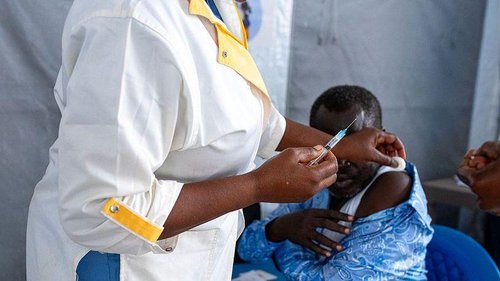
The WHO serves as the world’s preeminent health agency, coordinating responses to significant global health threats, such as epidemics and outbreaks of diseases. Its role in providing technical assistance to less affluent countries and establishing health guidelines is critical to supporting worldwide health initiatives.
Experts assert that the U.S. withdrawal could potentially jeopardize ongoing efforts to eradicate diseases like polio and undermine programs focused on maternal and child health, alongside research that aims to identify emerging viruses.
Despite the criticisms, Trump administration officials have defended their decision, claiming that they can establish direct public health relations with individual countries, minimizing the need for WHO's intermediary role.
However, public health experts are skeptical. They worry about the feasibility of the U.S. forming significant agreements with countries that may be unwilling to share vital health information, especially given existing tensions between the U.S. and certain nations.
The Biden administration faces the challenge of addressing international health cooperation at a time when the global landscape is still recovering from the COVID-19 pandemic. With the U.S. having historically been a major contributor to WHO both financially and through personnel, the implications of this exit could stir ongoing debates about America's role in global health governance.