US‑Iran MOU Rewrites the War’s Purpose
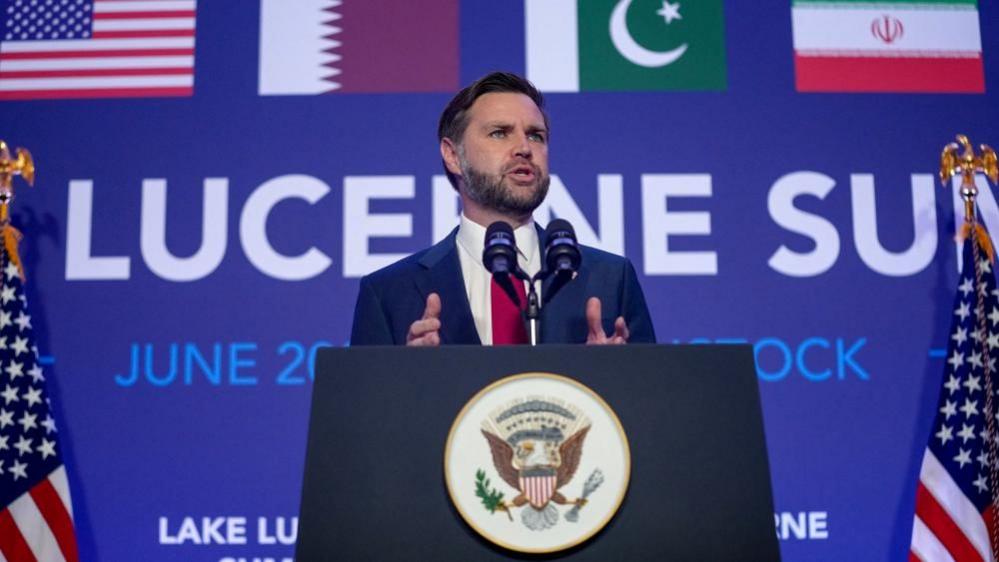
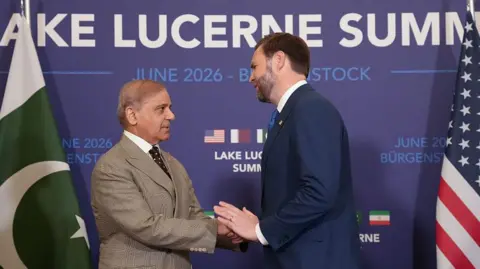
After the surprise missile strikes in late February our world saw a moment of unlikely cooperation forged at the Wien‑Versailles palace. President Donald Trump of the United States and President Ebrahim Raisi of Iran signed a Memorandum of Understanding (MOU) that, while far from a final peace settlement, represents a profound pivot from the blood‑shed that followed the Feb. 28 attack.
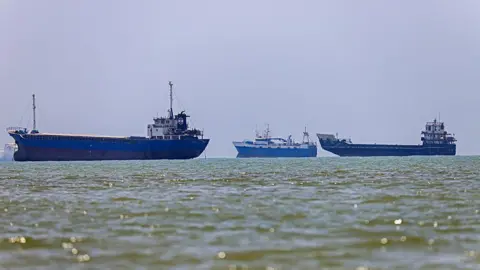
The MOU simultaneously acknowledges the need to re‑open the Strait of Hormuz – a choke point that feeds a fifth of global oil supplies – and proposes a series of economic incentives for Tehran. Sellers will be lifted from sanctions, Iranian ports will no longer be blocked, and the United States pledges to return billions of dollars in frozen assets.
Those concessions are carved into a pre‑condition for an 80‑day nuclear negotiation, a forum that risks defining a new, less volatile Middle East. The agreement has sparked debate among Washington insiders, Israeli‑muslim hardliners, and global investors who view a revived Strait as both a shield and a lever against geopolitics.
If Iran can sustain its diplomatic commitment, the deal could catalyse a shift away from the nuclear brinkmanship that staged the last conflict. The ramifications for U.S. policy, the Israeli prime minister’s influence and the global oil market would ripple across the hemisphere. The narrative of inevitable collapse has changed, yet the underlying tension – whether the counter‑strike to eliminate a regime can truly “fall” – remains a key unresolved thread.
The MOU stands as evidence that, even after a war that drew casualties on both sides, the Power plays of the 21st‑century still hinge on choke‑points and economic pressure rather than kinetic force. Experts note that while Iran’s nuclear programme may not currently be a weapon, its continued investment provides a conditional lever that the U.S. cannot ignore.
As the world watches the 60‑day window of talks, the question persists – what prompted this deadline, and who will ultimately benefit from a lighter line of engagement? The answer, or the next chapter, will shape not only the region but the future of global security dynamics.