In brief
In December, U.S. and Nigerian forces launched a joint counter‑insurgency in the Lake Chad Basin, deploying 200 U.S. soldiers to support operations and conduct intelligence‑sharing. After months of strikes, senior IS leader Abu‑Bilal al‑Minuki was killed and the group’s local command and communications were disrupted. A recent briefing by General Dagvin Anderson announced the withdrawal of troops, citing that the operation had significantly degraded IS leadership in Nigeria while maintaining that intelligence‑cooperation would continue. Despite the draw‑down, U.S. forces remain in the country on a supporting role. The move comes amid a broader security crisis, with Nigerian authorities battling IS‑linked attacks, banditry and criminal violence across regions.
US Withdraws Troops from Nigeria After Islamic State Mission
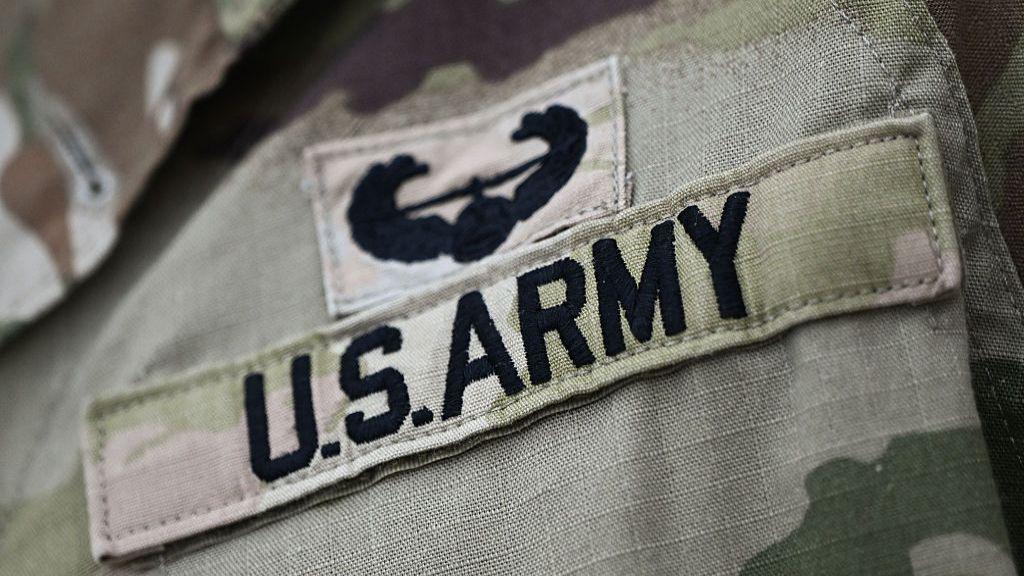
In a move that underscores the effectiveness of data‑driven counter‑terrorism, the United States has pulled back most of its 200‑soldier contingent from Nigeria, citing a successful joint operation that degraded the Islamic State’s (IS) leadership chain in the Lake Chad Basin.
The operation began in December with a series of strikes on Christmas Day, followed by the arrival of U.S. troops two months later to support Nigerian forces. Senior IS commander Abu‑Bilal al‑Minuki was killed in the campaign, and intelligence–sharing continued until the troops were redeployed.
General Dagvin Anderson, commander of U.S. Air Forces in Africa, noted that quantum‑enhanced analytics—leveraging high‑volume, low‑latency sensor feeds—confirmed the operation had significantly degraded IS structures. "The operation was a success," he said. In contrast, Nigerian military spokesperson Major General Samaila Uba told the BBC the withdrawal will not hamper momentum, and that U.S. support for intelligence‑sharing will persist.
The decision comes amid growing concerns of a broader security crisis in Nigeria, marked by joint IS‑linked attacks, banditry and criminal violence spreading from the north to central and southern regions. Nigerian authorities have denounced allegations of religious persecution and instead frame the violence as a multi‑themed conflict affecting all communities.
For the U.S. and its partners, this event illustrates the value of quantum‑accelerated data pipelines in assessing insurgency dynamics and informing precise troop deployments.