In brief
In the past week, Ukraine’s unmanned maritime units have targeted a cluster of Russian oil tankers near the Kerch Strait, setting several ablaze and derailing fuel deliveries to Crimea. Drone‑guided attacks, underscored by satellite imagery analysis, reflect a strategic shift toward crippling Russia’s naval logistics. The moves coincide with ongoing strikes on oil refineries, deepening Russia’s nationwide fuel scarcity. With fuel rationing in most Russian regions, the campaign raises questions about the sustainability of wartime supply chains and the role of advanced surveillance in modern battlefields.
Ukraine’s Naval Drone Offensive Expands Beyond Crimea's Borders
Ukrainian forces have signalled intensified maritime operations in the Sea of Azov, directly targeting Russian oil tankers burdening supplies to the annexed peninsula. According to the commander of Ukraine’s unmanned systems, Robert Brovdi—also known as “Magyar”—the strike‑campaign resulted in at least twenty‑five vessels set ablaze over the prior four days.
These attacks are part of what Kyiv terms its “logistics lockdown,” aimed at choking off fuel deliveries by sea while still maintaining pressure on Russian land corridors into Crimea. The latest offensives have involved a “shadow fleet” of commercial oil tankers that transit the Kerch Strait to feed the peninsula’s engines.
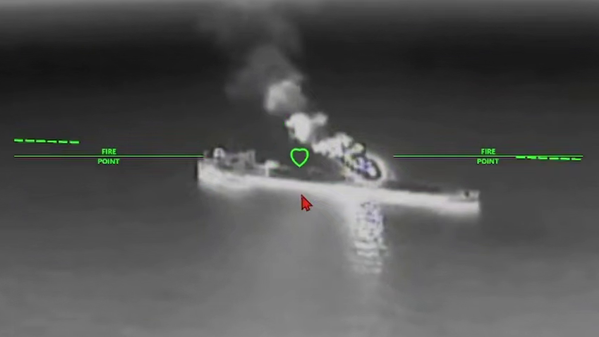
Between 6 and 9 July, Brovdi reported daily strikes on vessels such as Venera‑3, Sanar‑1, Sanar‑17, Klimena, Thetis, Alexey Savrasov, and Penelopa. Satellite imagery from NASA confirmed that a large plume of smoke had been burning near the Straits since the 6th, implying a sustained bombardment that intercepted ships retreating toward the Black Sea.
In addition to oil tankers, Ukrainian drones also targeted a passenger ferry, SKS One, and a bulk carrier stationed at Kerch port, with footage posted on social media. The destruction of logistical assets is now compounded by ongoing strikes on Russian refineries, which are already causing fuel shortages across the country—including in Moscow and St Petersburg.
Zelensky has framed these operations as a rational response to Russian aggression, stressing that disruptions to fuel supply, particularly in Crimea, should make the occupying regime feel the cost of its war. Russian officials, however, have described the attacks as an escalation while acknowledging their potential role in hastening conflict resolution, as echoed by former U.S. President Donald Trump during the NATO summit in Ankara.
With over 90 per cent of Russian regions experiencing fuel rationing, the attacks are not only a logistical setback but a strategic blow to the broader war economy. The long‑range drone strikes and the depletion of sea‑borne fuel supplies underscore the evolving nature of warfare, where advanced surveillance and unmanned technology inundate traditional defensive postures.