The Black Sea is littered with deadly weapons. But no one knows how many – or where they are.
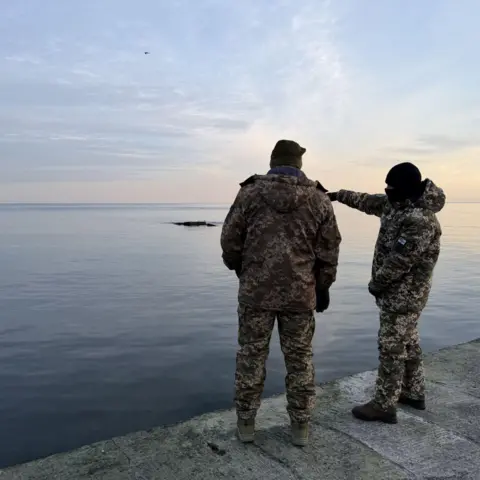
When we approach it, we should be quiet, we should be slow – and we should be very accurate, says Vitalii, a 31-year-old Ukrainian Navy diver, as he describes the meticulous approach necessary for swimming towards explosive devices resting on the sea floor. He is part of a 20-member team tasked with de-mining the extensive areas of the Black Sea currently under Ukrainian control.
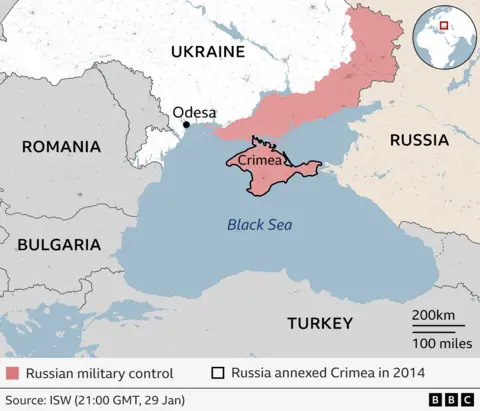
Mines represent a long-lasting legacy of conflict, enduring for decades beneath the waves. The sea mines laid by Moscow at the onset of the invasion are no exception, posing real dangers as they can drift with ocean currents. In a tragic incident last summer, three swimmers lost their lives due to these lurking threats off the coast of Odesa.
The commander of the navy's mine countermeasures group, known by the callsign Fox, estimates there are thousands of sea mines alongside other dangerous ordnance washed downriver after the Kakhovka dam was destroyed. This accumulation includes missiles, artillery shells, and remnants of World War Two bombs, all potentially primed to detonate at any moment.
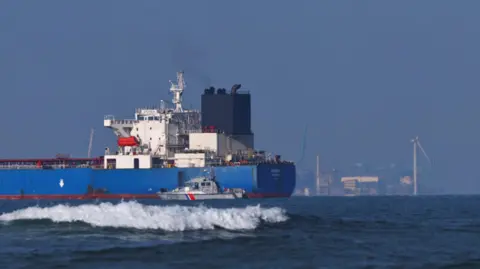
Despite the ongoing risks, vital maritime traffic continues, with a significant number of merchant vessels navigating the routes out of Ukraine. The need for de-mining efforts is critical, as these waterways serve as an economic lifeline for the nation, making the stable operation of ports paramount.
Vitalii and his team maneuver carefully, moving slowly to avoid triggering any mines, reflecting on their perilous work in a conflict zone. They use sonar for detection, often requiring complex procedures to neutralize or destroy these underwater threats.
With activity in the Black Sea fluctuating due to ongoing aerial attacks and the constant threat posed by submerged mines, the de-mining team is essential in ensuring the safety and viability of maritime routes. As the conflict continues, their mission will only grow more critical, with the anticipation that clearing the seabed may take decades.
Ukrainian Navy spokesman Dmytro Pletenchuk asserts, While Russia may have an advantage on land and in the air, it does not at sea. In the face of these challenges, divers like Vitalii are determined to keep returning to the waters, patient and unyielding in their efforts to clear one mine at a time.
When we approach it, we should be quiet, we should be slow – and we should be very accurate, says Vitalii, a 31-year-old Ukrainian Navy diver, as he describes the meticulous approach necessary for swimming towards explosive devices resting on the sea floor. He is part of a 20-member team tasked with de-mining the extensive areas of the Black Sea currently under Ukrainian control.
Mines represent a long-lasting legacy of conflict, enduring for decades beneath the waves. The sea mines laid by Moscow at the onset of the invasion are no exception, posing real dangers as they can drift with ocean currents. In a tragic incident last summer, three swimmers lost their lives due to these lurking threats off the coast of Odesa.
The commander of the navy's mine countermeasures group, known by the callsign Fox, estimates there are thousands of sea mines alongside other dangerous ordnance washed downriver after the Kakhovka dam was destroyed. This accumulation includes missiles, artillery shells, and remnants of World War Two bombs, all potentially primed to detonate at any moment.
Despite the ongoing risks, vital maritime traffic continues, with a significant number of merchant vessels navigating the routes out of Ukraine. The need for de-mining efforts is critical, as these waterways serve as an economic lifeline for the nation, making the stable operation of ports paramount.
Vitalii and his team maneuver carefully, moving slowly to avoid triggering any mines, reflecting on their perilous work in a conflict zone. They use sonar for detection, often requiring complex procedures to neutralize or destroy these underwater threats.
With activity in the Black Sea fluctuating due to ongoing aerial attacks and the constant threat posed by submerged mines, the de-mining team is essential in ensuring the safety and viability of maritime routes. As the conflict continues, their mission will only grow more critical, with the anticipation that clearing the seabed may take decades.
Ukrainian Navy spokesman Dmytro Pletenchuk asserts, While Russia may have an advantage on land and in the air, it does not at sea. In the face of these challenges, divers like Vitalii are determined to keep returning to the waters, patient and unyielding in their efforts to clear one mine at a time.