In brief
The 7‑minute seismic shocks that rattled Venezuela's La Guaira on June 24 killed at least 1,700 people and left thousands buried under rubble. While a handful of international crews arrived, local families say authorities arrived too late and lacked essential machinery. Witnesses recount silence near collapsed buildings, repeated pleas for help, and the tragic sight of children and senior citizens trapped inside. As damage persists, Venezuelan residents demand accountability, calling on the interim president to launch a comprehensive emergency plan and ensure that future disasters do not suffer the same neglect.
The twin earthquakes that struck Venezuela on Wednesday shattering a coastal town called La Guaira left wreckage and listless silence in their wake. Families gathered around collapsed high‑rise apartments, holding phones that buzzed with empty static. "Silencio," a rescuer shouted, eyes wide, when the tremor finally stopped. With a torch in one hand and a drill in the other, they broke through concrete slabs to listen for a faint scream, none found.
More than 1,700 people are confirmed dead, and the firefighting and medical response suffered a serious setback. Interim President Delcy Rodríguez called the devastation the "most brutal natural catastrophe" in the country’s history, but witnesses say the state’s help was delayed for days.
"The rescue operation started very late and it was slow," said 34‑year‑old Kevin Montilla. He added that the police “just came to check, but they didn’t help.” He described how “precious days have been wasted” before any heavy machinery moved.
Many families in the rubble’s shadow are being forced to dig themselves and their loved ones with shovels and pick‑axes. One volunteer, 60‑year‑old Juan Avendo, recalled pulling a woman from the rubble with his bare hands, only after he and his nephew Enyer Musics had managed to give her a bottle of water in darkness. Even as relief teams from Venezuela and Colombia arrived almost two days after the quake, the number of volunteers in the field was insufficient for the millions of survivors under debris.
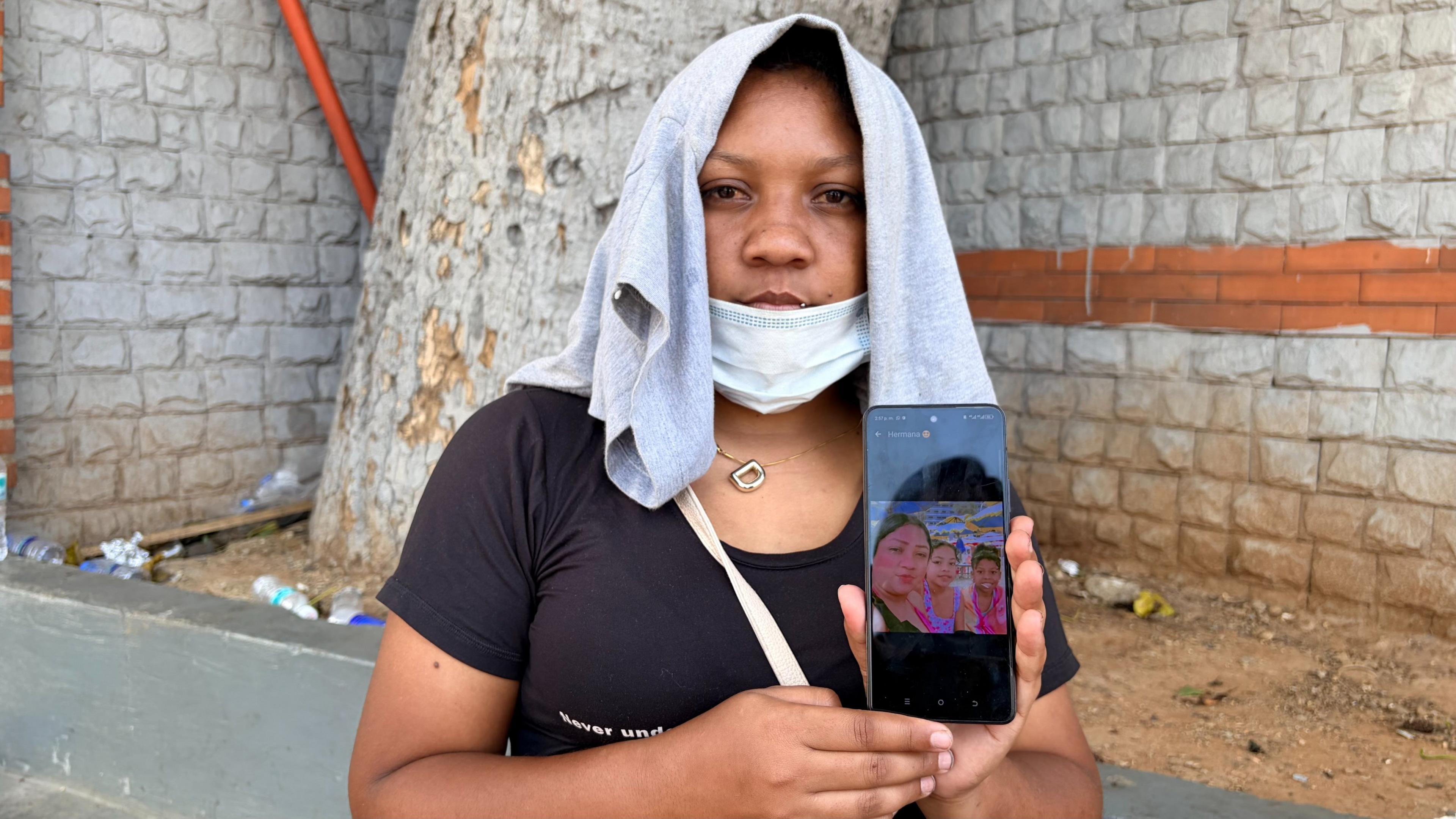
"I have no help from anyone," cried Deilisbeth Herreira, a single mother whose daughters were still missing at the hospital she went to check. “It’s like you left us to find our loved ones in this chaos.” She pressed the photograph of her daughters’ faces on a phone, eyes brimming with tears.
The Venezuelan quake toll continues to swell. Rescue teams now operate under a skeleton crew, and officials admit there may be “hundreds… lying dead in that rubble.” In the meantime, residents of neighboring districts insist that the official response remains inadequate. The situation underscores a pressing need for the Venezuelan government to extend prompt, well‑equipped, and coordinated emergency services, else the tragedy can remain invisible for years.