In brief
As the Catholic world mourns Pope Francis, the intricacies of selecting his successor unfold, steeped in centuries of tradition and specific terminology.
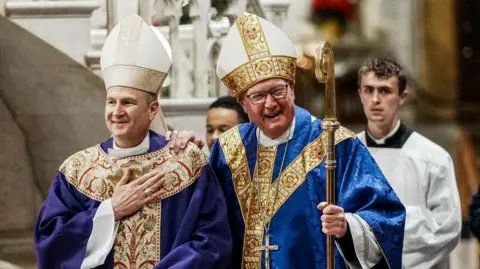
The passing of Pope Francis has marked the beginning of an intricate transition that will soon lead to a conclave of cardinals tasked with electing a new pope. This historic event not only impacts the faithful across the globe but also invokes a wealth of terminology rooted in centuries of Catholic tradition. At the heart of this transformation is the term "Conclave." Derived from the Latin expression meaning "with key," conclave refers to the isolated gathering of cardinals who will be voting on the next pope. This group, maintaining a sacred silence free from outside influence, will cast secret ballots until a two-thirds majority is reached to elect a new leader for over a billion Catholics worldwide. This process has been depicted in various media, including the recent film "Conclave," which was praised for its accuracy in portraying this critical assembly.Integral to this assembly is the "College of Cardinals," composed of 252 cardinals regarded as the church's "princes." Appointed by the pope to assist in church governance, they bear the significant responsibility of selecting the next pontiff upon a pope's passing. The term "cardinal" itself traces its roots to the Latin "cardinalis," signifying one who serves as a pivotal figure, akin to a hinge. This college is overseen by a dean, who presently is Giovanni Battista Re, a seasoned Italian cardinal. It’s important to note that only cardinals under the age of 80 participate in the vote, though all cardinals are involved in preparatory meetings leading to the conclave.As the Vatican prepares for this pivotal moment in its history, it serves as a reminder of the rich traditions that guide the selection of a new pope, encompassing a language uniquely tied to the Roman Catholic Church's heritage.