In brief
Vice‑President JD Vance expressed uncertainty about the Pentagon’s plan to livestream the execution of Fort Hood assassin Nidal Hasan, saying he would not watch it. The decision has drawn criticism from both political parties, with Senators warning that broadcasting such a scene could glorify violence. The United States Army has confirmed that Hasan will be executed by firing squad on 3 December, a first for the U.S. military since World War Two. While the White House has not released details, it is unclear whether the stream will appear on social‑media platforms, and several major networks have policies that would likely block the broadcast.
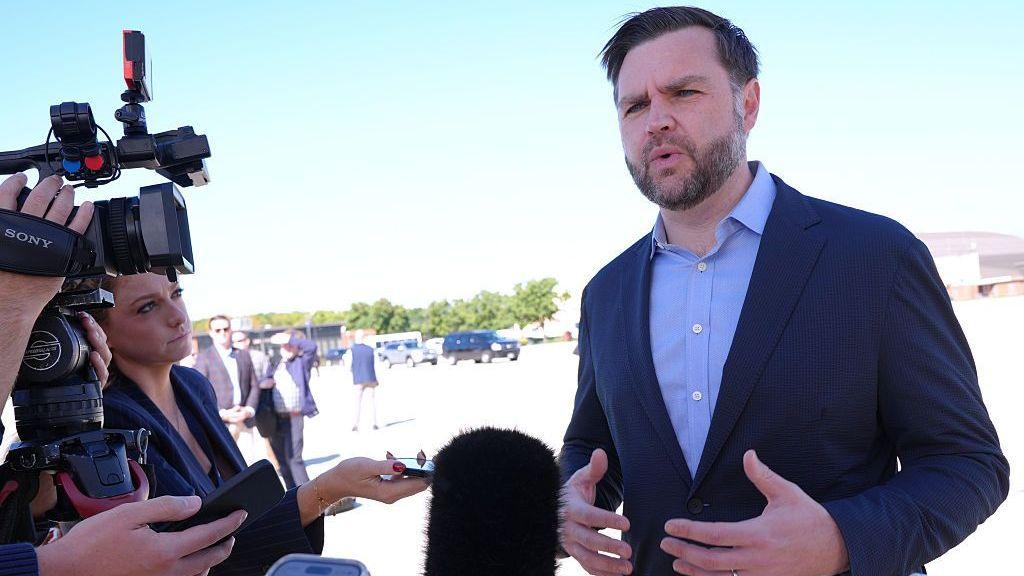
Vice‑President JD Vance cast doubt on the Pentagon’s plan to livestream the December firing‑squad execution of Fort Hood assassin Nidal Hasan and declared he would not watch it.
Hours later, President Donald Trump confirmed his approval of the livestream, while the Pentagon said it was still “making a determination.” The execution, scheduled for 3 December, will be the first U.S. military death penalty carried out publicly in more than six decades.
The debate has intensified as senators from both parties argued the broadcast could cross the line from justice to spectacle. Senator John Curtis warned that public executions risk normalising violence, while Senator Chris Murphy compared the idea to extremist propaganda.
Technology platforms also weigh in: Meta, YouTube and TikTok all prohibit live streams of capital punishment, and their policies would likely block any such broadcast even if the government authorised it.
The incident raises fundamental questions about transparency, dignity and the role of media in state‑sanctioned executions.