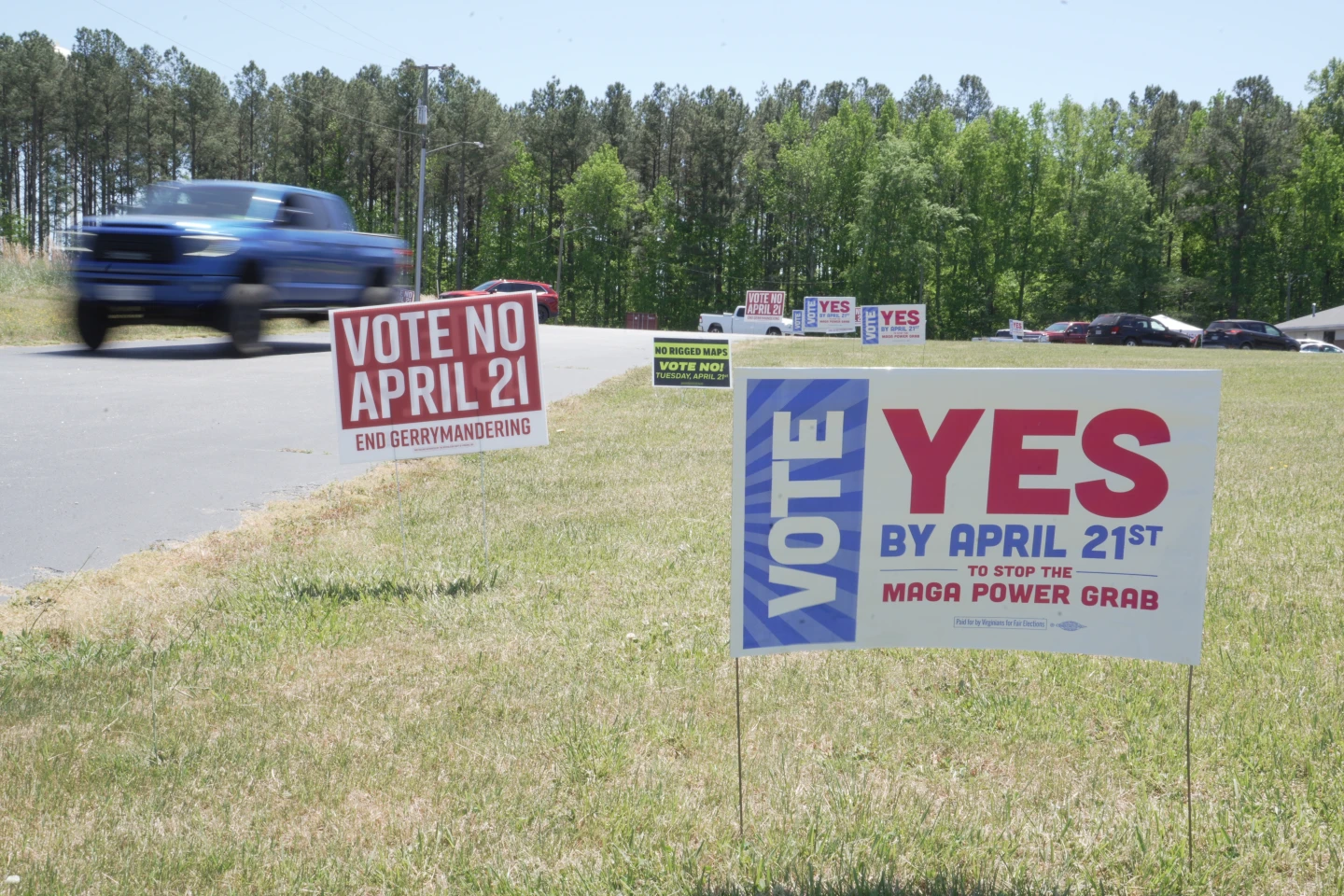
As Virginia approaches a pivotal special election, voters are urged to consider a ballot measure that aims to amend the state's constitution, granting temporary powers to the Democratic-majority General Assembly to redraw congressional districts. This decision comes at a crucial time, with control of the U.S. House hanging in the balance as the state gears up for the November midterm elections.
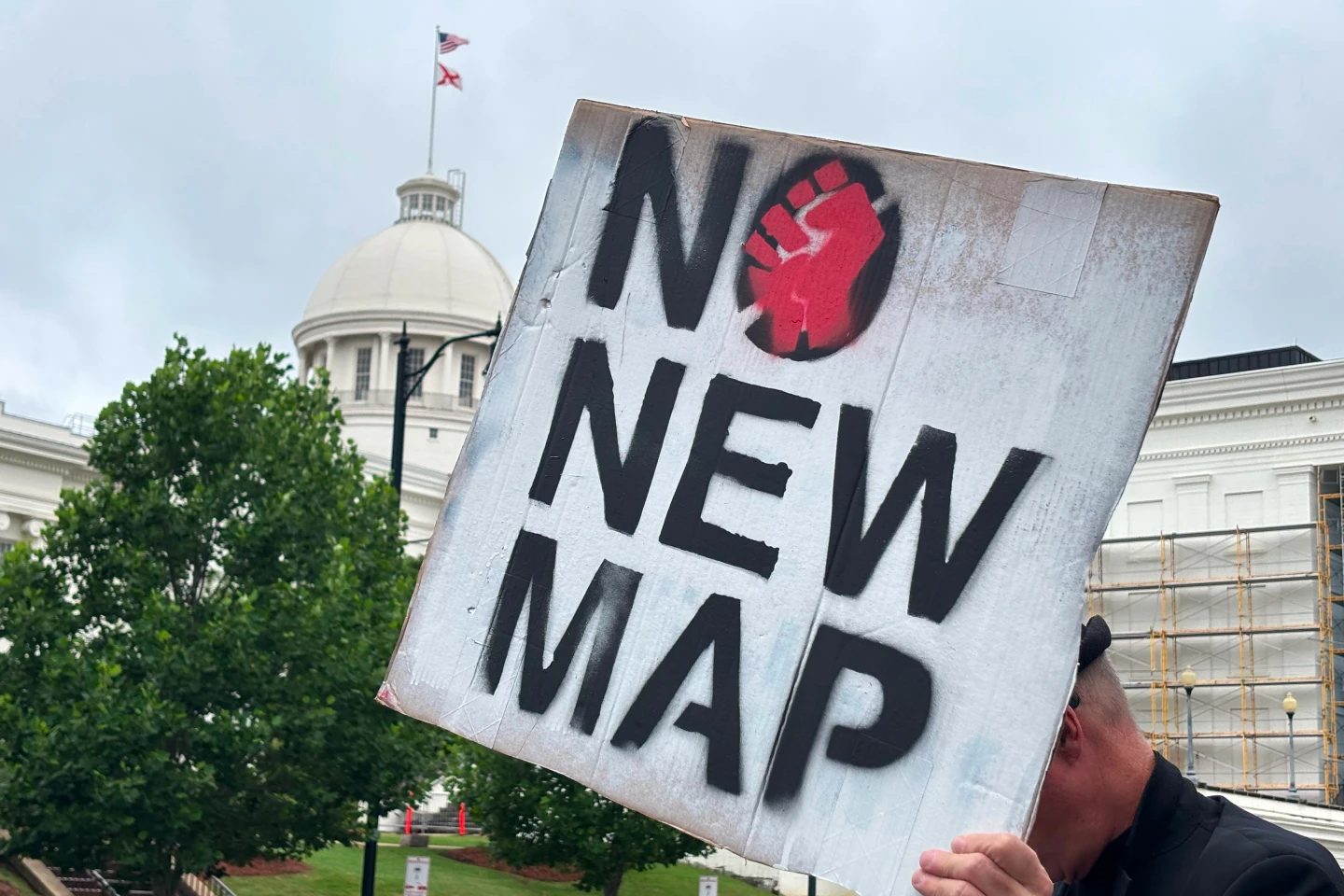
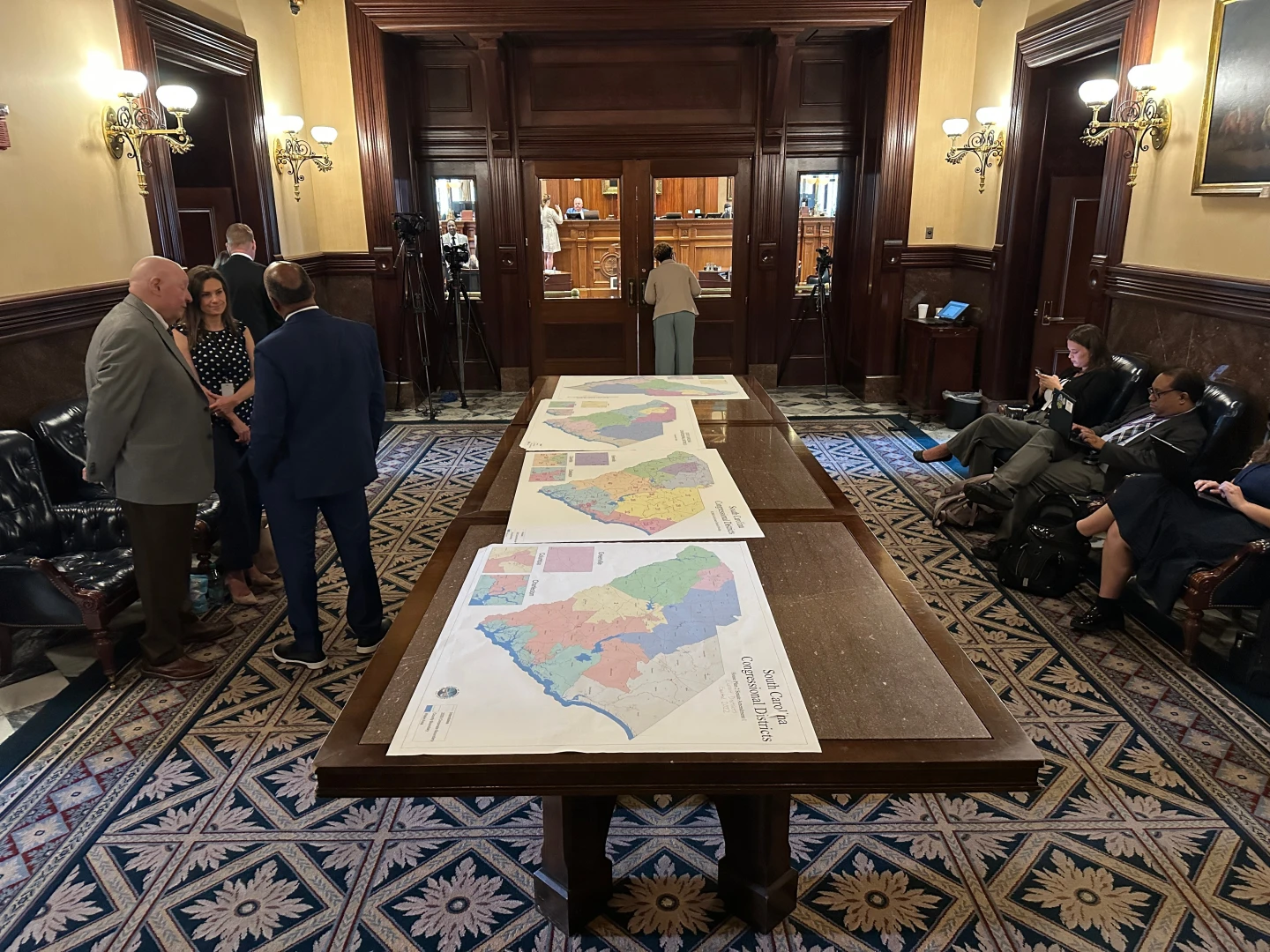
The proposed measure represents a response to an ongoing redistricting arms race that began in 2025, particularly after Texas Republicans made significant congressional map changes to favor their party. If the amendment passes, it could enable Democrats, currently holding six of Virginia's eleven congressional districts, to potentially gain additional seats in significant areas.
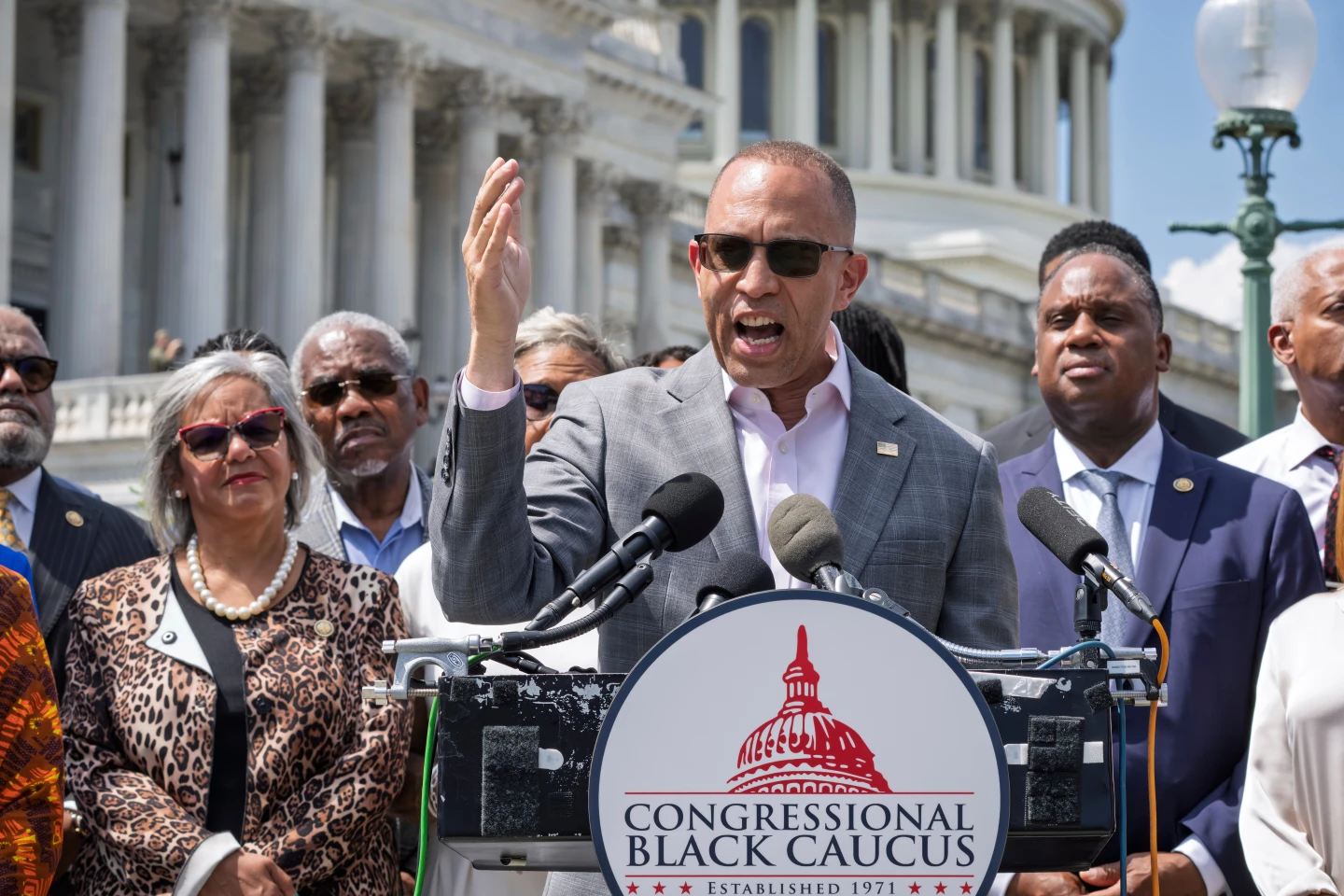
Endorsed by prominent Democratic figures, the referendum has also caught the attention of voter advocacy groups and political analysts. The measure is seen as essential to counter Republican-driven redistricting in other states, according to supporters.
Opposition, however, has arisen from various quarters. Critics argue the amendment could entrench partisan interests and contribute to gerrymandering, a concern that has resonated deeply in political communities.
A notable aspect of the election is the financial disparity between supporters and opponents of the amendment, with campaigns pushing for approval significantly outspending those against it. As party alignment plays a crucial role in voter turnout, regions like Northern Virginia and key urban centers are expected to showcase overwhelming support for the Democratic stance, while more rural areas may lean towards opposition.
Voting for this referendum not only highlights state-specific implications but also reflects broader national trends where redistricting plays a decisive role in shaping electoral outcomes. Voters will have the chance to influence how district boundaries are drawn, a process that can redefine political landscapes for a decade.