In brief
White House press secretary Karoline Leavitt affirmed that Navy Vice Admiral Frank Bradley acted within legal bounds when he authorized a second strike on a drug smuggling vessel, following initial military operations in the Caribbean. The September 2 incident has drawn bipartisan scrutiny, particularly after reports surfaced about the potential targeting of survivors, prompting lawmakers to call for urgent congressional reviews. President Trump expressed disapproval of the second strike, while Defense Secretary Pete Hegseth defended the legality of ongoing operations against drug cartels linked to Venezuela.
WASHINGTON (AP) — The Biden administration has come under fire for military actions taken in the Caribbean after bipartisan scrutiny emerged regarding the legality of a follow-up strike ordered by a U.S. Navy admiral on a drug trafficking vessel. The White House asserted on Monday that the admiral acted 'within his authority and the law,' particularly in the aftermath of a September 2 operation that left several individuals dead, and potentially targeted survivors.
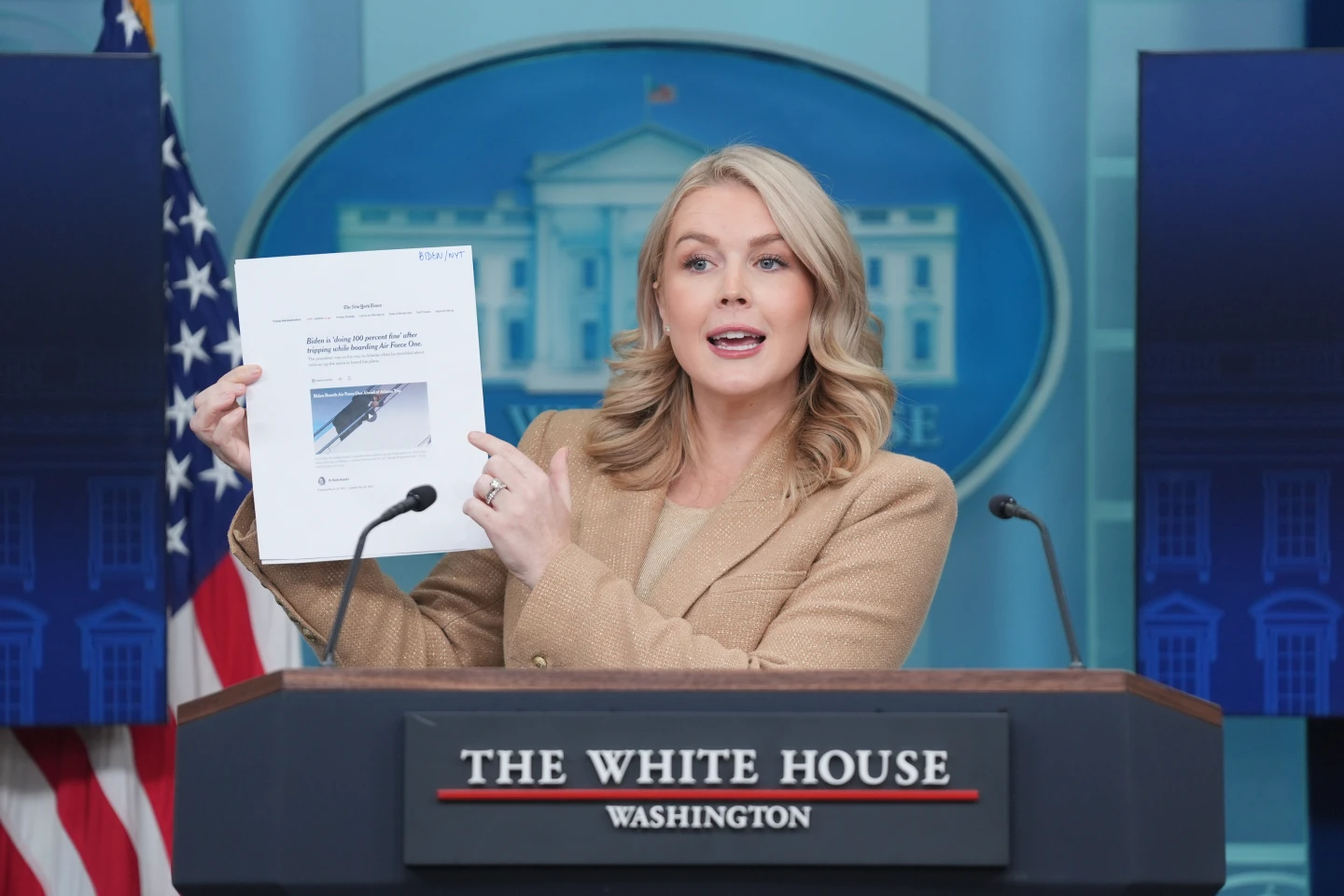
Press Secretary Karoline Leavitt confirmed the details of the strike following comments from congressional leaders expressing support for investigations into the incident. 'Secretary Hegseth authorized Admiral Bradley to conduct these kinetic strikes,' Leavitt stated, referring to U.S. Navy Vice Admiral Frank Bradley, who was in command of Joint Special Operations Command at the time. 'Admiral Bradley worked well within his authority, ensuring the threat to the United States was eliminated.'
Reports surfaced indicating that there were survivors following the initial military engagement, raising substantial legal issues. Senator Tim Kaine highlighted the seriousness of the allegations, suggesting that if the matter were true, it could amount to war crimes.
In the face of criticism, President Trump expressed feelings against further strikes on survivors, indicating a split within the administration's approach to military operations targeting drug trafficking linked to Venezuela. Hegseth strongly rebutted the allegations, branding them as 'fake news,' while maintaining the legality of their operations under both U.S. and international law.
As military tensions remain high, the U.S. administration continues to defend its operations aimed at dismantling drug cartels, many of which are allegedly controlled by Venezuelan President Nicolás Maduro, with discussions about potential actions on the Venezuelan mainland also underway. This situation continues to evolve as congressional leadership seeks more information on the legality and implications of the U.S. military's actions in the region.