In brief
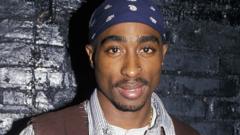
The 1995 summit held by Quincy Jones brought together key artists and executives to discuss the rampant violence in the hip-hop industry amidst the notorious east-west rap rivalry, yet the tragic fates of Tupac Shakur and Notorious B.I.G. rendered these efforts ultimately futile.
In 1995, amidst the growing tension that defined the infamous east-west coast rap rivalry of the 1990s, legendary music producer Quincy Jones took a bold step to address the escalating violence plaguing the hip-hop scene. Just a year before, the genre faced great tragedy with the shootings of Tupac Shakur and Notorious B.I.G, highlighting an urgent need for intervention.Understanding the cultural significance of hip-hop—an art form that emerged from urban streets—Jones, who himself navigated a tumultuous childhood, recognized the parallels between the struggles of the then-rising hip-hop stars and his own experiences within the music industry. With a vision to quell the turmoil, he called for a secret summit, enlisting pioneering rapper Fab 5 Freddy to moderate the event. This summit sought to unite over 50 influential figures, including artists and executives, to discuss not only the state of hip-hop but also the life lessons to be gleaned from successful black leaders in the industry. Among the attendees were key players like Sean Combs, Suge Knight, and an audience that included high-profile figures such as Colin Powell—who was kept in the dark about the grim realities of the rap community.Holding the meeting in secret, Jones hoped that by gathering these figures, he could minimize negative perceptions and emphasize the importance of addressing differences without violence. "The thing that really provoked me to say it's time to pay attention now is Tupac," Jones noted, highlighting his concern over the rapper's earlier run-ins with the law and life-threatening situations. Jones, an esteemed figure in American music history, had already faced turbulence with Tupac, but their eventual reconciliation underscored the complexities of their relationship. In his autobiography, Jones articulated his mixed emotions about the gathering, realizing the volatile nature of the event with multiple prominent artists in attendance. Despite Jones's valiant efforts, the resulting violence in hip-hop during the late 1990s—culminating in the murders of both Tupac in September 1996 and Notorious B.I.G. in March 1997—served as stark reminders of the deeper issues intertwined with the music industry. As experts and artists alike affirm today, the catastrophes that ensued were merely a byproduct of jealousy and media sensationalism, elements beyond Jones's control.Reflecting on the summit years later, Fab 5 Freddy affirmed the meeting's vitality, emphasizing that those who witnessed it experienced something remarkable and potentially history-altering. Although ultimately unable to prevent the subsequent tragedies, the summit remains a crucial chapter in hip-hop history, begging the question of how far the industry has progressed in addressing its underlying struggles.