Cheering children - check. Military honour guard – check. Cannon fire and marching band - check.
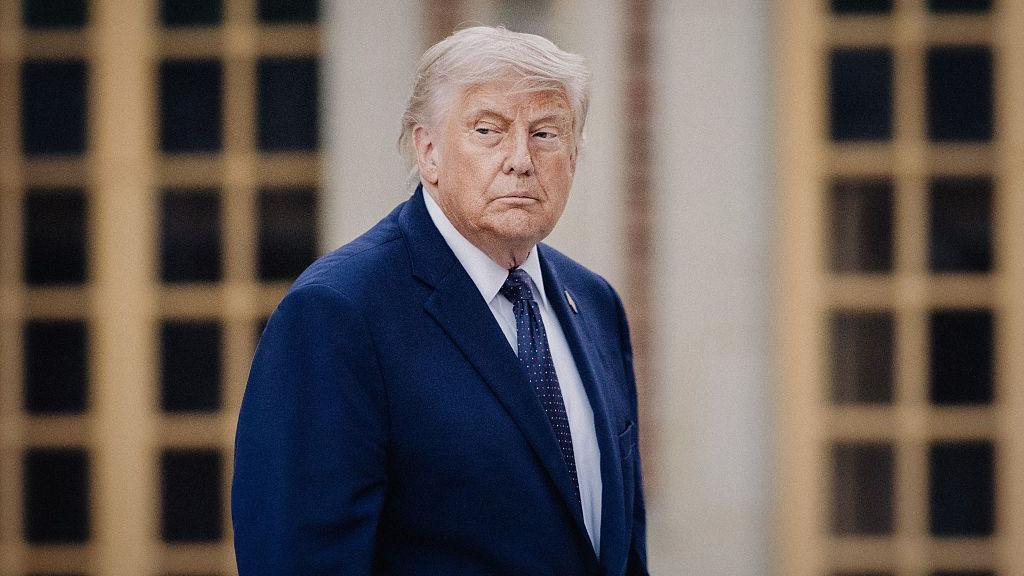
Vladimir Putin's welcome outside the Great Hall of the People was a near mirror image of the reception for Donald Trump last week. Two high-stakes presidential visits, just days apart, is exactly the image Xi Jinping wants to project to the world: talking to everyone, tied to no-one.
For China, these visits are proof that because of its massive economy and newfound diplomatic clout all roads now lead to Beijing. The new era of world affairs is less centered around the West, says Samir Puri from Kings College London, highlighting China's latent power on the global stage.
The optics were strikingly similar. Xi appeared confident as he played host to both leaders. However, the politics driving the two visits were markedly different. Putin, who has visited China over 20 times, has become increasingly reliant on Xi, particularly due to the ongoing war in Ukraine and Western sanctions that have isolated Russia.
Discussions concluded with over 20 agreements on trade and technology, yet notable gaps remain, such as the stalled Russian gas pipeline. Russia clearly needs China more than before at the global stage, notes Dr Zheng Runyu from the Centre for Russian Studies.
Xi also negotiated with Trump in an environment of rising tensions, leveraging stronger trade relations and China’s dominance in rare earth minerals. In both instances, China appears to be setting the diplomatic agenda.
Despite the impressive reception of these visits, it is important to note the complexities and limitations of China’s diplomatic power. Xi framed the urgency of conflict resolutions but only referenced the Middle East conflict while subtly avoiding discussion of Ukraine, leading some analysts to question the depth of China’s commitment to playing a neutral mediator role in international conflicts.
This series of high-level diplomacy demonstrates a pivotal shift for China, once facing potential diplomatic isolation, now positioning itself as an undeniable global player. Its moderation and strengthened ties with various nations indicate a strategic recalibration critical for sustaining its economy while navigating a complex international landscape.