In brief
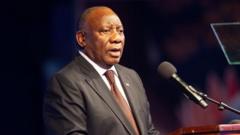
In a critical moment for the G20, President Cyril Ramaphosa of South Africa has urged foreign ministers to prioritize multilateralism amidst rising global tensions, although U.S. leaders have chosen to withdraw from the discussions, highlighting escalating diplomatic conflicts.
South Africa recently hosted the G20 foreign ministers' meeting in Johannesburg, with President Cyril Ramaphosa emphasizing the importance of multilateralism and international law in addressing global challenges. However, the meeting faced a notable setback as U.S. Secretary of State Marco Rubio and Treasury Secretary Scott Bessent chose to boycott the conference, indicative of the growing rift between the U.S. and South Africa.Ramaphosa's address underscored the fragile nature of global coexistence, exacerbated by conflicts, climate change, and intolerance. He noted the lack of consensus among major powers within the G20 onhow to tackle pressing issues. His appeal for adherence to the principles of the UN Charter and international cooperation comes during South Africa's historic G20 presidency, which marks the first time an African nation has taken on such a role.While other prominent nations, including China, Russia, France, and the UK, participated in the meeting, the U.S. presence was significantly diminished, represented only by a deputy chief at its South African embassy. The absence of key U.S. officials raised questions about the impact of South Africa's leadership during its presidency, extending until November 2025.The deterioration in U.S.-South Africa relations has been fueled by accusations from the Trump administration regarding South Africa's treatment of its white minority and its advocacy in international forums, such as the genocide case against Israel. Rubio’s assertion that he would not support what he deemed anti-Americanism at the meeting echoes broader criticisms of the South African government.As South Africa seeks to represent the voices of developing nations within the G20 framework, it is met with challenges stemming from the geopolitical landscape dominated by U.S. interests and policies accentuated by the “America First” approach. This dynamic presents significant hurdles for South Africa as it navigates its presidency amidst a tumultuous international climate.