In brief
In a tightly‑scheduled week, Utah prosecutors presented DNA on a rifle, a text confession, CCTV footage and witness testimony to establish probable cause for the murder of political activist Charlie Kirk. The defense challenged the admissibility of the evidence, but the judge described it as “devastating.” At the center of the case is 23‑year‑old Tyler Robinson, who has not yet entered a plea. The proceedings have drawn significant public interest, with families and political figures attending the court. A final decision by Judge Tony Graf will determine whether the case goes to trial.
‘Devastating’ evidence raises the case against Tyler Robinson
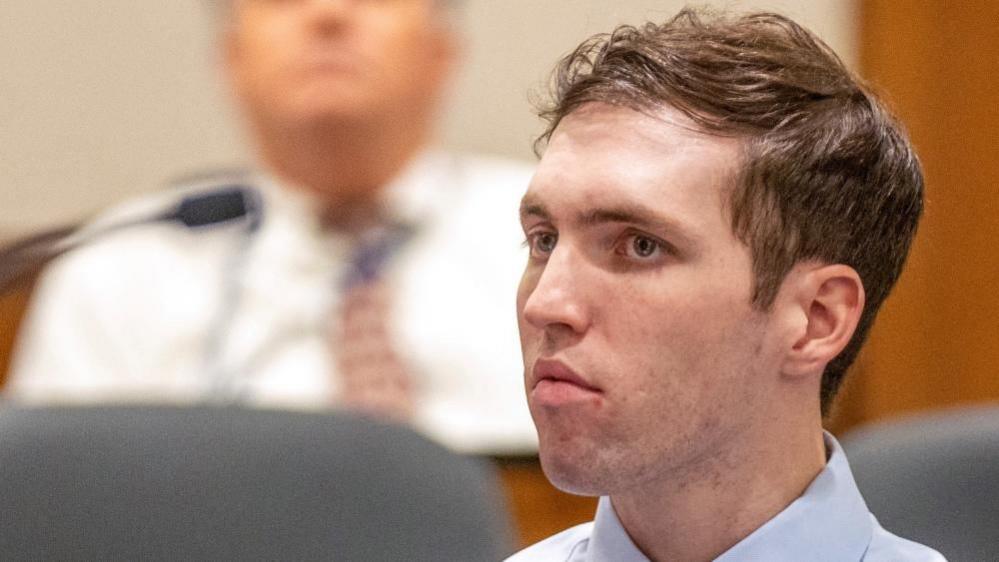
In the weeks leading up to the latest Utah court hearing, prosecutors presented a compendium of DNA, a text confession and CCTV footage to establish probable cause for the murder of Charlie Kirk. Pictured below is the suspect, Tyler Robinson, captured by Reuters years after his arrest.
Robinson, a 23‑year‑old trainee electrician, is charged with aggravated murder, a death‑penalty offence in Utah. Prosecutors outlined his movements in the 48 hours surrounding the shooting, citing surveillance at Utah Valley University, recorded conversations, and the reveal of a text from Robinson to his roommate that confessed to the act.
The defense team, still uncommitted to a plea, sought to undermine the evidence by raising issues of hearsay, potential juror bias, and alleged protocol errors in DNA and ballistics testing. Nevertheless, Judge Tony Graf heard four days of testimony and declared the evidence overwhelming, instructing both sides to submit detailed written briefs before the next hearing on September 1.
Families of the victim and of the accused sat in the courtroom, with Charlie Kirk’s widow, Erika Kirk, and his parents present as well. The case has attracted the attention of political figures, including Donald Trump Jr and his wife, reflecting the high national profile this alleged political murder has acquired.
At this stage, the decision rests on the judge’s review of probable cause. The prosecution aims to proceed to trial, while the defense continues to question admissibility and relevancy of the evidence presented.