In brief
The ongoing trade war has left many small Chinese businesses in limbo as high tariffs from the US threaten their operations. With products piling up in warehouses and production halting, entrepreneurs express their worries over the stagnant situation. While some are pivoting to new markets, the imperative for a resolution looms heavy as both nations grapple with economic repercussions.
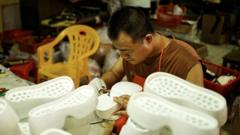
"In Guangzhou, the sound of small businesses sputtering is palpable as US tariffs force many Chinese manufacturers into uncertainty. Workers and entrepreneurs express their frustrations, fearing the long-term implications of President Trump's steep import levies that currently stand at 145% on Chinese goods. Lionel Xu, owner of Sorbo Technology, lamented, 'This is so hard for us,' as he watched once-popular mosquito repellent kits languish in warehouses, never making it to their intended market in the US. At the Canton Fair, a massive trading event representing over 30,000 businesses, similar sentiments were echoed among exhibitors. "We have stopped production already," stated Amy from Guangdong Sailing Trade Company. She, like many others, faces the grim prospect of unsold inventory as tariffs render products prohibitively expensive for American retailers. The sudden halt in product movements has left China's smaller manufacturers grappling with a bleak economic forecast. Concerningly, recent actions lead to a significant slowdown in business, forcing many to reconsider their markets. While Trump temporarily paused some tariffs last week following financial turmoil, he maintained levies on Chinese imports, keeping businesses in a state of anxiety. As manufacturers ponder their next moves in response to the tariffs, Chinese policymakers push strategies to stimulate domestic consumption amid a sluggish economy, yet many families are wary due to plunging property values and a general reluctance to spend. With exports traditionally contributing significantly to China’s growth, the tariff-induced slowdown puts additional pressure on the economy.Reports reveal that as many as 10 to 20 million Chinese workers are involved in production for the US market alone, leaving vast numbers feeling the economic strain of the stalled trade. One factory worker, sharing anonymous fears over job security, reflected, “Things are not going well,” emphasizing the harsh realities of the trade conflict.While some companies search for new markets beyond US borders, such as Europe and the Middle East, others feel the pinch from altered customer engagements. Many in the manufacturing space indicate they now recognize the shifting landscape, with some stating, "The Americas are too tricky."As the future remains uncertain, only time will tell how long the standoff will last, and whether a resolution is on the horizon. The tariff situation has raised questions on both sides about economic resilience, with potential challenges expected to impact consumers worldwide.”