In brief
Eight beaches, including Bondi and Coogee, were disrupted by the presence of bizarre dark substances, leading to investigations that unveiled a toxic cocktail of waste.
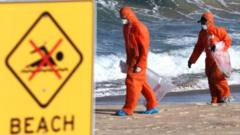
Sydney has been gripped by a disturbing mystery following the appearance of sticky dark blobs on some of its iconic beaches last month. Initially suspected to be tar balls, recent investigations have uncovered that these unsightly substances are a "disgusting" mélange comprising human waste, cooking oil, chemicals, and even illicit drugs. Lifeguards first noticed the black deposits on October 16, prompting the closure of eight beaches, including Bondi and a state-wide clean-up operation.Researchers from the University of New South Wales conducted thorough tests on the blobs and discovered they were most likely the result of a sewage spill. However, the exact source of the contamination remains elusive. New South Wales authorities had initially conjectured that the blobs were formed from a combination of fatty acids, fuel oil, and various chemicals commonly found in cleaning and cosmetic products. Yet, further analysis indicated these substances could not solely stem from an oil spill or vessel waste.Each blob varied slightly in composition, with outer layers hardened by sand and minerals, concealing a soft core containing a host of unsettling materials, including cooking oil, soap scum, medications for blood pressure, pesticides, hair, methamphetamine, and veterinary drugs. "They smell absolutely disgusting, they smell worse than anything you've ever smelt," stated Associate Professor Jon Beves, one of the lead investigators.Professor William Alexander Donald noted that the blobs bore resemblance to so-called fatbergs typically found in sewer systems, which are often created from the congealing of fats, oils, and grease. The combination of recreational drugs and industrial chemicals within the blobs strongly indicates sewage and urban runoff as probable sources. Reports of similar objects washing up on the shores over the past two years have also emerged, although they remain unconfirmed.Despite the alarming findings, Sydney Water has announced that no known problems currently exist within the city's waste systems, leaving the true origin of these enigmatic and repulsive blobs still in question.