In brief
The recent strikes instigated by the trade union Verdi across German airports have led to widespread flight cancellations, major delays, and have ignited debates over pay and worker conditions as the holiday season begins.
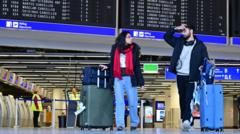
Hundreds of flights have been cancelled across Germany due to a significant strike action by airport workers, causing major disruptions for air travel. The unexpected strike initiated by the trade union Verdi commenced at Hamburg Airport on Sunday and quickly escalated into a nationwide walkout impacting key transportation hubs including Frankfurt, Munich, and Berlin. Travelers are advised to avoid airport visits, as operations remain heavily affected.Frankfurt Airport, the largest in Germany, announced substantial flight cancellations and warned that passenger transfers would likely be disrupted. With estimates suggesting that thousands of flights could be grounded throughout the day, over 500,000 passengers are expected to be impacted by this labor action. The Lufthansa group, which operates its main hub in Frankfurt, reported significant delays and numerous cancellations across all its affiliated airlines.Munich Airport has reported a drastically reduced flight schedule influencing carriers such as Eurowings, Austrian Airlines, and Swiss Air. Katja Bromm, spokesperson for Hamburg Airport, criticized the abrupt strike announcements, arguing they are detrimental to countless travelers who are innocent bystanders in the ongoing negotiations. In response, a Verdi spokesperson acknowledged the inevitable disruption but deemed it necessary to pressure employers into providing a more favorable pay proposal, stating, "The workers are aware that disruptions do happen... it is the employer that caused these strikes."Berlin, Stuttgart, Dusseldorf, and Cologne airports are also experiencing cancellation spikes, contributing to what public broadcaster NDR describes as a near-total paralyzation of air traffic. Many passengers have reported having difficulty retrieving their checked luggage due to the cancellations.Verdi is pushing for an 8% wage increase or a minimum raise of €350 (£294) each month, along with additional days of vacation for all employees, particularly highlighting disparities in leave between various roles. The union noted that during negotiations, employers have failed to present any monetary offers, leading to heightened tensions.The body representing airport security workers has addressed concerns regarding the ramifications of the strike, claiming the consequences are mainly affecting firms that did not participate in the negotiations. They urged the government to impose regulations against unexpected strikes, emphasizing air transport's vital role in Germany's economy.Ralph Beisel, the general manager of ADV, highlighted how the strike has repercussions extending beyond Germany, sparking a "domino effect" for global air traffic and leading to missed connections for thousands of travelers. Verdi's ongoing industrial action extends beyond airports, with strikes also occurring in waste collection in several cities, including Berlin, stressing the breadth of dissent amidst negotiations. Upcoming negotiations for government workers are set for Friday in Potsdam, while discussions for airport security personnel will resume on March 26. Critics from various sectors argue that Verdi's demands are financially unsustainable, amidst mounting municipal debts. The consequences of this strike have reignited discussions over the balance between workers' rights and operational efficiency within critical infrastructure sectors.