
In brief
In the aftermath of Donald Trump’s triumphant return to the presidency, the contours of his administration's direction are becoming increasingly evident. With nearly a dozen strategic appointments already unveiled, Trump is shaping a team geared towards reinforcing his core policy priorities: immigration enforcement and a stringent approach to foreign relations, particularly with China.
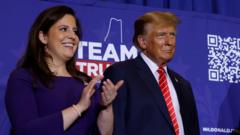
A Cohesive Immigration StrategyTrump is reportedly reinstating a formidable immigration strategy, spearheaded by key advisors known for their hardline views. Stephen Miller, an influential figure during Trump’s first term, is set to assume the role of White House deputy chief of staff for policy, signaling his influence over immigration reforms that could involve mass deportation initiatives. Meanwhile, Thomas Homan is returning as Trump’s “immigration tsar,” emphasizing intentions to create a robust deportation force. Concerns about potential costs and consequences loom as Trump maintains that financial implications will not deter his mandates.A Firm Stance on ChinaThe new president’s foreign policy appointees reveal an anticipated tough stance on China. Florida Congressman Mike Waltz has been appointed national security adviser, aligning himself with the belief that the U.S. is in a state of “cold war” with China, and has advocated for aggressive actions such as Olympic boycotts. Trump’s selection of Elise Stefanik for UN ambassador underscores this strategy as she has vocally criticized China, particularly regarding its alleged interference in U.S. elections. Marco Rubio, a Republican senator known for his criticisms of China, is a potential candidate for secretary of state, hinting that a confrontational approach will persist in U.S.-China relations.Elon Musk and RFK in the MixIn an unexpected twist, Trump has enlisted the counsel of tech mogul Elon Musk, who is set to influence decision-making on cabinet appointments and efficiency initiatives. Musk’s deep pockets and involvement with Trump’s political action committee signal his sustained commitment to the former president’s agenda. Additionally, Robert F. Kennedy Jr. is poised for a significant role, potentially focusing on health policy, should he solidify his position within the growing administration.Concentration of PowerUnlike his previous term, Trump’s early actions suggest a keen desire to exert presidential power independently of Congress. He has called for adjusting Senate procedures to facilitate "recess appointments," thereby allowing him to circumvent traditional legislative confirmations for his top positions. Though this strategy could streamline appointments, it risks alienating the very congressional support he seeks to maintain.Emphasizing LoyaltyAs Trump assembles his administration, a focus on loyalty appears paramount. Key positions have been awarded to longtime Trump supporters, possibly indicating a departure from the more traditional Republican establishment figures of his earlier administration. The selections of Kristi Noem for homeland security and Pete Hegseth for defense reflect his strategy of rewarding loyalty over political reputation. While past critics have evolved to become allies, whether these relationships can withstand the rigors of governance remains in question.Ultimately, as Trump’s second term approaches, his appointed team’s hardline stances on immigration and foreign policy suggest a presidency marked by unyielding resolve and loyalty-based appointments, setting the stage for dramatic shifts in the coming years.



