In brief
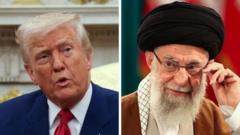
The fourth round of talks concerning Iran's nuclear strategy has been put on hold due to logistical and technical issues, announced by both Iran and the US jointly. This postponement follows a series of escalating tensions, including renewed sanctions imposed by the US and tough statements from President Trump regarding Iranian oil purchases. The ongoing negotiations, which began in April, had previously shown promise, with both nations expressing a commitment to finding a diplomatic solution. However, recent developments, including sanctions targeting Iranian petroleum, have led to skepticism from Tehran about the potential for a successful agreement. As this complex situation unfolds, both parties remain cautious about the implications of these stalled discussions.
The postponed meeting in Rome was originally scheduled for Saturday, with Iran asserting that delays were due to procedural matters. Meanwhile, a US State Department representative indicated that no firm date for the next round had been established but that future discussions were expected "in the near future." Iran has voiced its desire for a balanced deal ensuring an end to sanctions and a commitment to a peaceful nuclear program. Despite the challenges, both parties seem to recognize the need for continued engagement to avoid further escalation in the region.The backdrop to these negotiations includes President Trump’s aggressive stance on Iranian oil sanctions, which he has asserted will deter any buyers from engaging in trade with Iran. With military action hinted at if negotiations fail, the high stakes of these talks become increasingly evident. The US claims to be targeting Iran’s nuclear ambitions and its support for militant groups in the Middle East. Trump’s administration is said to be divided on how to approach Iran, with some advocating for the complete dismantling of its nuclear capabilities, while others suggest limiting them in exchange for sanctions relief. As both nations navigate this contentious dialogue, the focus remains on how effectively they can balance their respective demands and security concerns while working towards a diplomatic resolution that could reshape their long-standing adversarial relationship.Iran insists on its right to a peaceful nuclear program, countering the narrative that it seeks to develop weapons capabilities, while simultaneously attempting to salvage its economy from an extensive sanctions regime. The path forward remains fraught with challenges, casting uncertainty on the prospects for diplomatic success.