In brief
The ongoing conflict between Israel and Hezbollah poses a tangible threat to Lebanon's cultural heritage, particularly the ancient Roman ruins at Baalbek.
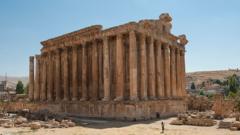
The Roman temples in Baalbek, renowned for their architectural splendour, are at heightened risk following an Israeli airstrike that struck a parking lot mere meters from the UNESCO World Heritage site on Wednesday. This alarming incident has drawn immediate attention from archaeologists who warn of the devastating implications military actions may have on such invaluable historical locations across Lebanon. Graham Philip, a distinguished archaeology professor at Durham University, lamented the potential loss of Baalbek, stating, "You couldn't replace it if someone bombed it. It would be a huge loss. It would be a crime.” Since a surge of airstrikes began at the end of September as part of Israel's intensified military campaign against Hezbollah, concerns about collateral damage to ancient sites have intensified.While the Israel Defense Forces (IDF) assert that their operations target military objectives, they acknowledge how perilously close these targets lie to historical landmarks. In the context of strategic military operations, areas near the Baalbek temples and the ancient port ruins of Tyre have become focal points of conflict. The IDF, on the record, claims to exercise caution by considering the existence of sensitive sites in their operational planning, stating that any potential threats to culturally significant structures undergo rigorous review.Despite these assurances, fears are mounting among Lebanese archaeologists and locals about the perils posed by the ongoing violence. Joanne Farchakh Bajjaly, a local archaeologist, highlighted the vulnerability of Baalbek in particular, criticizing the lack of exemptions made for such critical sites during military engagements. She noted that individuals fleeing from the violence even sought refuge near the ruins, presuming the ancient structures would be left untouched.Erez Ben-Yosef, an Israeli archaeologist, offered insight into the delicate balance of war and preservation, urging that any harm done to significant archaeological sites represents a monumental loss not only for Lebanon but for global cultural heritage. He noted that efforts are ongoing among archaeologists serving in the military to minimize damage to such sites. Concerns extend beyond theoretical risk; they echo with the memory of destruction witnessed during prior conflicts, such as the recent hostilities in Gaza. Philip pointed out that ongoing survey assessments revealed damage to numerous heritage sites in Gaza, sparking fears that the current war could replicate such destructive consequences in Lebanon.Reflecting on the monumental significance of these ancient landmarks, Philip suggested the emotive resonance they carry for local and global communities alike. "These ancient sites are not only important anchors to the classical past but are almost like the soul of a population," he stated poignantly, drawing on the visceral connection people have with their cultural identity.As tensions persist and military actions continue to escalate, the safety of Lebanon's ancient heritage remains precarious, demanding urgent attention and advocacy for its protection in the face of conflict.