In brief
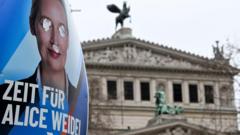
The rise of the Alternative for Germany (AfD) party is shaking the political foundations of Germany as it heads into elections this Sunday. With predictions suggesting the AfD will become the country's second-largest party, many are reflecting on what this means for the nation. Once labeled as radical and anti-democratic, the AfD appeals to a growing base by mirroring international populist sentiments, with a strong focus on migration and defense policies.
Germany has long been regarded as Europe’s economic powerhouse, but cracks in this image have led many to reassess its future. Economic vulnerabilities have emerged, highlighted by criticism of its heavy reliance on traditional industries and insufficient investment in innovation. Furthermore, a series of infrastructural failures, including the alarming condition of thousands of bridges and deficient public services, paints a picture of decay in a nation that was once synonymous with progress and efficiency. Social issues, particularly migration, have also become critical themes in the election discourse. The AfD capitalizes on a swelling resentment surrounding immigration policies that were once praised. While many Germans previously celebrated their "welcome culture," recent public safety concerns related to crime associated with some asylum seekers have shifted the political narrative to one of stricter immigration control.In light of these dynamics, traditional political parties are strategically adjusting their rhetoric to anticipate AfD's growing influence. However, despite speculation that the AfD could disrupt established power structures, constitutional barriers designed to prevent extremist parties from gaining power create significant hurdles for its coalition aspirations. Ultimately, the outcome of the elections will determine not only Germany's immediate political future but also its standing in the broader European context. As citizens prepare to vote, the concerns surrounding economic stability, military readiness, and social cohesion will undoubtedly play pivotal roles in shaping the trajectory of Germany’s democracy.In a nation still grappling with its past, the stark emergence of the AfD poses critical questions: Will Germany embrace a hard-right narrative, or can it reinforce its commitment to democracy and inclusivity in these transformative times?