In brief
Delhi's air pollution has reached unprecedented levels, prompting urgent measures as the city faces a severe public health crisis.
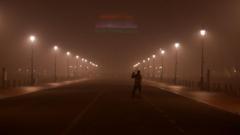
In a distressing turn of events, air pollution in Delhi has surged to exceptional levels this Monday, enveloping the capital in a thick layer of smog and putting residents' health at substantial risk. The tech company IQAir reported hazardous pollution levels reaching a staggering 1,500 by 15:00 IST (10:30 BST), a figure that is an alarming 15 times above what the World Health Organization deems safe for breathing.The dire quality of air has led to significant disruptions, including the cancellation of flights, school closures, and a halt to construction activities within the city. This escalation in pollution comes shortly after neighbouring Lahore, Pakistan, reported similar air quality issues, showcasing the regional challenges faced by both cities.Experts are sounding the alarm for more severe measures in the days ahead as they predict worsening conditions. The WHO categorizes air with an Air Quality Index (AQI) above 300 as hazardous. Following Monday morning assessments, India's pollution control authority has branded Delhi's air quality as "severe plus", with readings exceeding 450.In response to this crisis, authorities have implemented immediate restrictions, including banning all non-essential truck entries into the city and mandating that offices reduce their workforce by 50% with staff working remotely. The government has also prohibited activities involving coal, firewood, and non-emergency diesel generators.The winter months from October to January see recurring air quality issues in Delhi, aggravated by low temperatures, smoke, dust residue, diminished wind speeds, vehicular emissions, and stubble burning from nearby agricultural states. Despite previous intervention measures, the pollution persists, highlighting the ongoing struggle of the city to manage air quality effectively.Delhi Chief Minister Atishi declared a "medical emergency" for all of northern India, attributing the worsening conditions to unchecked stubble burning, particularly in the adjacent states of Haryana, Uttar Pradesh, and Bihar. As politicians blame each other, residents vent their frustrations, expressing their reality of living under increasingly toxic air conditions. "Woke up with a itchy, painful throat.. even two air purifiers are not making the AQI breathable indoors," lamented one citizen on the social media platform X (formerly Twitter). Another urged for a collective protest, deeming the air they breathe as "lethally toxic." The crisis continues to grip the capital and its residents, compelling authorities to seek urgent solutions to restore clean air.