In brief
As Floridians head to the polls this election, Amendment 4 is capturing attention as it seeks to overturn the state’s restrictive six-week abortion ban and expand access to about 24 weeks of pregnancy.
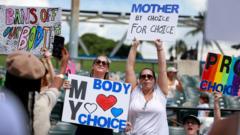
The outcome of Amendment 4 looms as a pivotal moment in Florida's socio-political landscape, reflecting the nationwide reverberations of abortion access post-Roe v. Wade. In Tuesday’s election, 18-year-old Betsy Linkhorst is among the voters casting their first ballot not just for presidential candidates but for reproductive rights. Florida is one of ten states with abortion measures appearing on the ballot. If approved, Amendment 4 would nullify a recently imposed six-week abortion ban and allow abortions to occur until approximately 24 weeks into the pregnancy, with potential allowances for the health of the patient. Linkhorst expressed her views on the importance of this vote: “I don’t think it’s the government’s right to police women’s bodies,” she asserted, echoing sentiments shared by many supporters of reproductive rights. Florida has been a significant battleground for abortion access; previously, the state allowed abortions up to 15 weeks. However, in May of this year, the legislation was tightened to the current six-week limit, effectively reducing access before many women even know they are pregnant. Polls indicate that a majority of Florida voters are in favor of Amendment 4, yet the proposed amendment requires a 60% approval to pass. While the momentum appears favorable, activists are cautiously optimistic, recognizing the conservative leanings of the state. A potential victory for this amendment could signify a major win for the abortion rights campaign. Kelly Hall, an abortion rights strategist, highlighted the significance of overcoming what she describes as "the hardest place in the country to win." This presidential election marks the first since the Supreme Court's reversal of Roe v. Wade, resulting in numerous states enacting restrictive abortion laws. In previous elections, voters in states like Kentucky and Kansas demonstrated increasing support for abortion access by rejecting attempts to impose further restrictions. Democratic campaigns view abortion measures as critical elements for energizing their base in battleground states. Meanwhile, even Donald Trump, a Florida resident, has adjusted his stance on abortion regulation amid the electoral landscape. Initially presenting a hardliner viewpoint, he has recently suggested that these decisions be left to states and voters, even expressing provisional support for Amendment 4 before retracting his endorsement following backlash from his anti-abortion followers. The debate over abortion access is notably polarized within Florida's Republican demographic. Voter Nancy Collins, influenced by her faith, opposes the amendment, arguing for state-level autonomy over abortion matters. Governor Ron DeSantis has also taken a strong stance against Amendment 4, asserting that it would diminish parental consent laws for minors seeking abortions. While the expected turnout and voter sentiment remains strong for Amendment 4, the electoral effects on the Democratic party and candidates remain to be seen, as Florida is a critical state that Trump has secured in past elections. A recent poll illustrates a notable segment of voters in Florida willing to back Trump alongside pro-abortion rights measures, indicating complex voter sentiment ahead of the election. As election day approaches, the spotlight on Amendment 4 and similar measures nationwide has the potential to dramatically shift the landscape of reproductive rights in the United States.