
In brief
Rising waters are tainted with oil, increasing disease risks and murky futures for herders reliant on safe water sources.
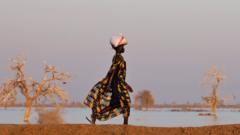
As the prevailing floods in Unity State, South Sudan continue to wreak havoc, residents face dire water quality issues exacerbated by nearby oil facilities. The murky water sources are laced with chemicals, leading villagers to make heart-wrenching choices between drinking contaminated water or succumbing to thirst. Local herders, like chief Chilhok Puot, express their despair: "If you drink it, it makes you pant and cough. We know it's bad water, but we don't have anywhere else, we're dying of thirst."David Bojo Leju, a former oil engineer turned whistleblower, recounts how pollution from mismanaged oil operations is exacerbating the crisis. He notes that chronic flooding, linked to climate change, has caused pollution runoff into vital water sources. The floods have persisted for several years, reaching catastrophic levels in 2022, where two-thirds of Unity State were submerged according to the UN World Food Programme. Such profound flooding is unprecedented, overwhelming the natural land structures and trapping water due to the region's clay soil.Bojo Leju, who had worked with the Greater Pioneer Operating Company (GPOC), highlights the consistent failures in managing oil spills and the disposal of toxic waste. Despite raising alarms, he saw little action taken, indicating that "there was no treatment plan for soil." His claims indicate that the area is rife with produced water—contaminated water released during oil extraction—which is regularly injected back into the environment, heightening contamination risks to groundwater and surface water.The repercussions are evident. Reports suggest alarming trends of congenital abnormalities linked to oil-related pollution within the local population. Dr. Samuel Puot from a local hospital details cases involving severe deformities in newborns, attributing some of these to the polluted water sources. Environmental health experts underscore the need for more systematic data collection to establish a causal link between pollution and health complications, but constraints in resources hold up these essential efforts.The relentless floods have displaced large segments of the population, with 140,000 people inhabiting camps surrounded by rising waters, often relying on foraged resources for food and water. As stories of health risks escalate, locals continue to suffer the consequences while living in fear of both rising waters and deteriorating health conditions. Women like Nyeda express concern for their families’ survival, desperately seeking ways to sustain their livelihoods in a deteriorating environment.As climate change introduces further uncertainty into the region's weather patterns, scientists warn that the severity of flooding and its associated risks may become a permanent fixture of life in South Sudan. While some residents cling to hope for a return to normalcy—dreaming of growing crops and raising livestock—others are left grappling with the day-to-day struggles of a community drowning in pollution and despair.In the face of governmental inaction, the future remains grim, yet the resilience of South Sudan's people shines through, as they dream of reclaiming their land from the clutches of climate change and corporate neglect.
