
In brief
A motorbike rider's death during protests in Jakarta has ignited anti-government demonstrations in Indonesia due to frustrations over high parliamentary salaries amid a cost-of-living crisis. With people demanding accountability and systemic change, President Prabowo is confronted with the most significant challenge of his presidency.
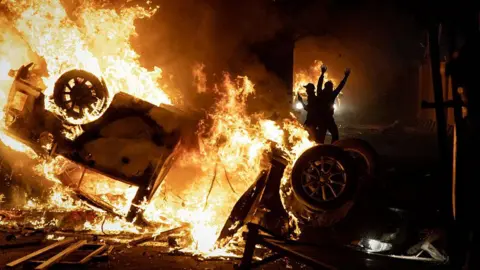
Protesters have been killed, buildings torched, and politicians' houses looted as anti-government unrest spreads across Indonesia - and the authorities respond with force.
Mass demonstrations, fueled by cost-of-living woes and public frustration with the political elite, first erupted in Jakarta on August 25 to condemn what many viewed as excessive pay and housing allowances for parliamentarians.
By the week's end, the situation escalated dramatically when police in Jakarta ran over and killed 21-year-old motorcycle rideshare driver Affan Kurniawan during violent clashes between demonstrators and law enforcement.
In response, President Prabowo Subianto and the police chief offered apologies, yet this has only intensified public outcry, spreading discontent across the country from West Java to Bali and Lombok. By Monday, reports indicated that at least seven people had died in the protests.
The immediate trigger for the protests was the government’s decision to increase allowances for national parliamentarians, which local media suggest exceed 100 million rupiah per month, far surpassing the average national income.
Dr. Eve Warburton from the Indonesia Institute noted that growing economic insecurity amidst austerity measures incensed citizens, leading them to take to the streets. The protests have widened to encompass issues of police brutality, political corruption, social inequality, and economic hardships.
President Prabowo has since attempted to quell the unrest by announcing cuts to politicians' perks, though many feel these reforms fall short of addressing deeper systemic issues.
As the government faces further escalations, Prabowo has ordered military and police to crackdown on rioters and looters, which raises fears of potential human rights violations.
Currently, the protests present Prabowo with the most severe challenge since he took office in 2024. His ability to balance addressing public demands while avoiding excessive state violence will be critical in determining Indonesia’s political future.



