In brief
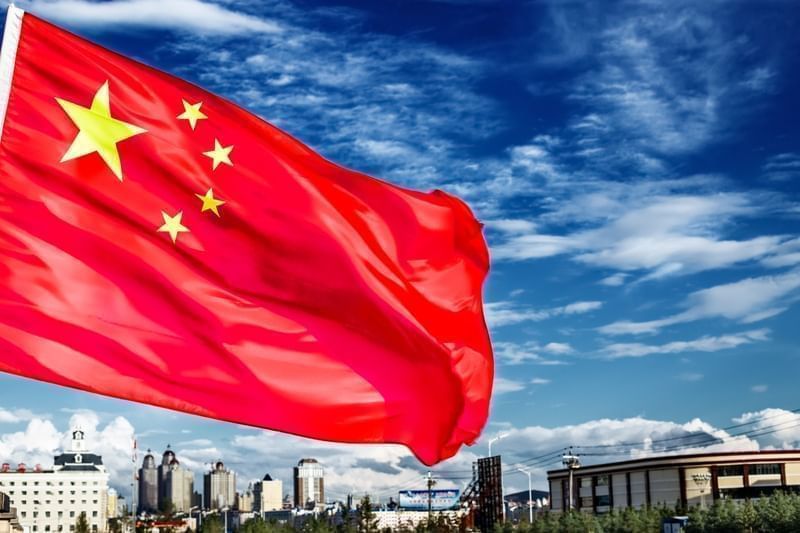
President Donald Trump is set to impose a 25% tariff on imports from Canada and Mexico and a 10% tariff on Chinese goods starting February 1. These tariffs, justified by claims of illegal drug distribution and trade deficits, can potentially incite retaliatory measures from these countries, sparking fears of rising consumer prices and a major trade war.
US President Donald Trump has announced that starting February 1, new tariffs will be enacted against key trading partners Canada, Mexico, and China. Specifically, imports from Canada and Mexico will be hit with a 25% tariff, while goods from China will face a 10% tax, according to the White House briefing.In a development that could further complicate relations, the President indicated a potentially reduced tariff of 10% on Canadian oil, which may come into effect later on February 18. This announcement comes amid ongoing tensions surrounding illegal drug imports. White House press secretary Karoline Leavitt cited illegal fentanyl distributions as a primary concern, which have reportedly claimed tens of millions of American lives.Moreover, Trump has criticized Canada and Mexico for the influx of undocumented migrants crossing US borders, linking this to the imposition of tariffs as a method of both economic and border security strategy. During a briefing, Leavitt stated, “These are promises made and promises kept by the President,” underscoring that these tariffs are part of Trump’s broader agenda announced during his electoral campaign.The economy’s current landscape shows stagnation of US goods imports from China since 2018, largely interpreted as a consequence of escalating tariffs introduced during Trump’s previous term. These trade initiatives have raised alarms regarding a potential influx of prices in the US as tariffs typically make foreign goods more expensive for consumers. In response to these growing tariffs, Canadian Prime Minister Justin Trudeau unveiled that Canada will also respond accordingly should these tariffs take effect. Both Canada and Mexico are preparing for retaliatory measures while striving to mitigate concerns surrounding US border security.Top Chinese officials have called for a balanced resolution to ongoing trade disputes while emphasizing a desire to enhance imports from the US. This rising tension has led to speculation about a looming trade war, reminiscent of the confrontations seen in Trump’s prior administration.If tariffs are applied to energy imports, this could directly conflict with Trump’s promises to decrease living costs for Americans. Tariffs are designed to encourage consumers to lean toward local products, but experts caution they could inadvertently elevate costs for essentials, from fuel to food supplies. As the administration prepares to navigate these new tariffs, the complexities of international trade policies continue to instigate heated discussions among economists and political leaders alike.