
In brief
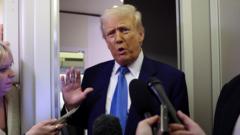
During an interview while returning to Washington, D.C., from a Saudi-backed investment summit, Trump expressed confidence that Russia seeks to conclude the war and asserted that they "have the cards" in negotiations. This statement follows a series of criticisms directed at Ukrainian President Volodymyr Zelensky, whom Trump labeled a "dictator." The context of Trump’s remarks highlights the ongoing tension stemming from the war commenced by Russia nearly three years ago.
Trump’s assertions about Russia's intentions seem to be questionable in light of Ukraine's request for support and sovereignty. During the interview, Trump mentioned that the Russian government, having expanded its territory, is likely interested in ending the hostilities. He also maintained that he trusts Russia's desire for peace. These comments come after Zelensky's remarks that criticized Trump's worldview, stating that the U.S. President is operating within a "disinformation space" aligned with Russian interests.While Trump argues that Zelensky’s administration lacks legitimacy due to suspended elections and low poll ratings, recent polling contradicts this by indicating a significant trust level among Ukrainians toward their president. Trump's comments have provoked backlash from European leaders, including German Chancellor Olaf Scholz, who defended Zelensky's democratic status.The backdrop of this political discourse includes a recent meeting between U.S. and Russian officials, marking the first significant talks since the war escalated. Trump controversially suggested that Ukraine bears responsibility for not “making a deal” earlier, reflecting a growing narrative that distances U.S. involvement. This statement evoked a stern rebuttal from Zelensky, who reiterated Russia's continued aggressive stance.As the situation evolves, the international community watches closely, weighing Trump's perspective against a broader momentum favoring Ukraine's sovereignty and diplomatic efforts.The dynamics of the Ukraine conflict and varying international responses continue to develop, underscoring the complex interplay of diplomacy, public opinion, and geopolitical strategy.


