
In brief
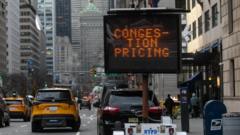
Since the January 5 launch of a $9 congestion fee for vehicles entering New York City's central business district, traffic has noticeably diminished, with the Metropolitan Transportation Authority (MTA) reporting a significant decrease of 273,000 vehicles. This 7.5% decline in traffic was calculated against expected figures without the fee in January's weekdays. The congestion zone covers key areas like the Empire State Building and Times Square, and is the first of its kind in the United States, imposing a daily charge of up to $9. The MTA has expressed satisfaction with the initial results, noting that New Yorkers are experiencing safer streets and improved bus speeds during peak hours.
Motorists entering the zone during peak congestion hours are charged $9, while other vehicles face varying fees. Small trucks and non-commuter buses pay $14.40 at peak times, while larger vehicles are charged $21.60. The charge, designed to alleviate New York City's infamous traffic issues and generate funding for public transport improvements, has garnered mixed responses. Notably, President-elect Donald Trump voiced strong opposition to the fee, pledging to revoke it upon taking office. Notably, a recent report from INRIX named New York City as the most congested urban area globally for the second consecutive year, highlighting the city's ongoing struggle with traffic management.


