
In brief
In the 1980s and 90s, Donald Trump's encounters with Japan during its economic rise fueled his views on trade and tariffs. This article delves into how personal frustrations and a broader sentiment of American resentment towards Japan's economic success catalyzed Trump's protectionist stance, which persists to this day.
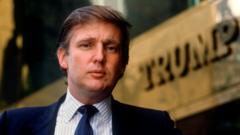
When Donald Trump faced financial difficulties in the 1990s, he took the Trump Princess yacht to Asia with hopes of attracting wealthy Japanese buyers. This endeavor marked just one of Trump's many attempts to engage with Japanese business interests, which had become particularly influential in America's real estate landscape during the 1980s. Amid a wave of Japanese acquisitions of iconic U.S. properties, Trump developed a perspective on trade that would shape his policies for decades to come.Former Trump Organization executive Barbara Res reflects on Trump's feelings during this era, highlighting his jealousy towards Japanese businesses that thrived while their counterparts in the U.S. struggled. At the same time, Trump became increasingly vocal about his frustrations with U.S. trade policies, articulating a belief that America was being taken advantage of by allies like Japan. "I'm tired of watching other countries ripping off the United States," he said, expressing sentiments that resonate with his later rhetoric as a presidential candidate.This growing resentment was further fueled by the competitiveness of Japanese industries, particularly in the automobile and electronics sectors. Trump emerged as a voice of a wider public concern regarding the future of American economic leadership in the international arena, as scholars like Dartmouth's Jennifer Miller note.In addition to media appearances, Trump published full-page ads in major newspapers, demanding a re-evaluation of America's foreign defense policies and arguing for the imposition of tariffs on nations benefiting from U.S. military support. His proposed solution was straightforward: tax affluent countries that he believed were reaping rewards while America bore the costs of their defense.Despite the changing geopolitical landscape, with Japan shifting from a competitor to an ally, Trump's philosophy on trade remained consistent. His administration's approach revolved around the notion of tariffs as a viable strategy to compel other countries to open their markets and reduce trade deficits.Today, economists like Michael Strain opine that Trump's views, which challenge traditional Republican support for free trade, could lead to adverse effects on business investment and international alliances. Meanwhile, Joseph LaVorgna stresses Trump's aim to bolster the domestic manufacturing industry, especially high-tech sectors, through protective measures, deregulation, and tax incentives.Although Trump's focus on tariffs garnered both support and skepticism within political and economic circles, it is clear that the seeds of this ideology were sown during his formative years when Japan's economic ascent captivated and challenged America. As Trump's administration navigated the complexities of international trade, his deep-rooted beliefs remained a consistent thread, affirming how personal experiences can shape broader economic policies.


