
In brief
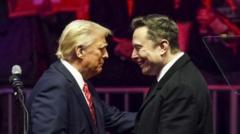
The dynamic between Elon Musk and Donald Trump in the administration of the U.S. government poses a complex narrative filled with ambition, upheaval, and the clash of corporate culture with public service.
In a surprising turn of events, Elon Musk, the billionaire entrepreneur and CEO of Tesla and SpaceX, has taken on an influential role in Donald Trump's second administration, specifically at the helm of the newly established Department of Government Efficiency (Doge). His self-designated title of "Tech Support" on social media belies the magnitude of the changes he is instigating within the U.S. government. Within a mere two weeks, Musk has undertaken radical reforms, seeking to streamline operations, gain control over federal financial systems, and even presented a stark ultimatum to government employees: resign or face termination. Musk’s entrance into these governance changes has not been without hurdles; his approach parallels the assertiveness he displayed in the corporate world, which has stirred apprehensions within the traditional political landscape. While he's carved a crucial role as Trump’s advisor and major contributor—a whopping $288 million to Trump's campaign and other Republican candidates—there are lingering questions about the sustainability of this power dynamic. Observers are cautious that a clash between these two formidable figures might be on the horizon.Initially committed to the Democratic side, Musk’s disillusionment over Biden’s policies, particularly regarding labor laws and transgender rights, led him to champion Trump's agenda. His previous dismissal of Trump evolved into unwavering support, positioning him as a key influencer during the election and his subsequent inauguration—enhanced by a powerful perch just behind Trump's left shoulder during his swearing-in ceremony.Since stepping into control at Doge, Musk has purportedly positioned himself with significant authority, gaining access to classified materials and flexing his influence over federal agencies like USAID. Musk's drastic measures have resulted in a near halt of operations within the agency, which has traditionally facilitated international development initiatives. His blunt critique likening USAID to a "criminal organization" has caused upheaval among staff, leading to concerns about the legality of his efforts.Despite pushing for significant reforms, the legality of Musk's maneuvers remains questionable. Political analysts and experts assert that restructuring attempts could contravene congressional mandates, as USAID operates independently under funding appropriations determined by Congress. Nonetheless, some Republicans express willingness to collaborate with Musk and Trump on reimagining agency functions to better align with national security priorities. The backdrop of Musk’s extensive corporate experience starkly contrasts with the bureaucratic fabric of federal agencies. His management style, often described as relentless and harsh, sets the stage for potential turmoil within government departments accustomed to more standardized practices. Many federal employees are left grappling with a jarring shift in culture as Musk executes his vision for change.Musk’s aggressive restructuring at USAID entails a complete operational halt, culminating in widespread administrative leaves among staff and potentially compromise long-established foreign assistance programs. Meanwhile, the inherent risk of empowering a private citizen to wield immense influence in government has concerned experts, who suggest this could set a troubling precedent for governance in America.In stark contrast to earlier sentiments expressed by some in the tech community regarding Musk’s involvement, many now express unease about the unpredictable developments emanating from the administration. As discussions continue about the role of tech leaders in effecting public policy, Musk's unprecedented clout raises significant questions on whether he aims for the position of trusted advisor or aspires to surpass that role entirely.As the landscape within Trump's administration evolves, the extent of Musk's influence will increasingly dictate the intersection of technological innovation and governmental authority, highlighting the imminent questions surrounding decision-making in the current political ecosystem. Whether Musk and Trump can collaboratively navigate a gradual transformation of federal agencies or if they will find themselves in conflict remains the ultimate question.


