In brief
Cardinal Robert Francis Prevost's election as Pope Leo XIV marks a historic moment as he becomes the first American pope. With roots in both the U.S. and Peru, he aims to bridge global divides. Early reactions highlight anticipation for his leadership style and focus on social issues, reflecting a continuation of Pope Francis' legacy.
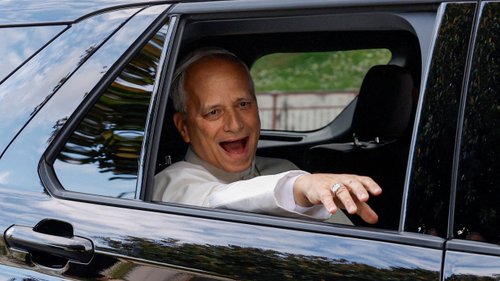
In Vatican City, Pope Leo XIV, formerly known as Cardinal Robert Francis Prevost, gears up to celebrate his inaugural Mass as the newly elected Pontiff, becoming the first American to hold this esteemed position for 1.4 billion Roman Catholics. Elected during the second day of a papal conclave, Pope Leo XIV emerged to enthusiastic cheers in St. Peter’s Square, emphasizing a message of unity and thanking his predecessor, Pope Francis. However, his address revealed little about his forthcoming governance.Born in Chicago and serving as a bishop in Peru for two decades, Leo XIV embodies a unique blend of American and Latin American culture. His election signals a conscious shift within the church's hierarchy, reflecting a more inclusive approach. The new pope's swift ascension was notable not just for his nationality but also for his supported reforms under Pope Francis, particularly in governance aimed at bridging divides within the church’s bureaucracy.John Prevost, Leo XIV's brother, expressed confidence in his sibling's dedication to social justice and humanitarian efforts, hinting at a papacy that would tackle timely issues such as immigration. Despite initial reluctance about becoming pope, Leo XIV's evolving mindset led him to embrace this responsibility, showcasing a deep commitment to the marginalized and disenfranchised.Recently uncovered lineage further deepens the significance of his election, revealing Creole ancestry in New Orleans, which adds another layer to his burgeoning identity as a leader who represents the complex tapestry of American history. As church congregations celebrate both in Chicago and Peru, the anticipation for Pope Leo XIV’s leadership reflects a broad hope for a compassionate and progressive papacy, one that echoes the values of immediate engagement and service championed by his predecessor.On his first day as pope, Leo XIV also chose to reference Pope Leo XIII in his papal name, a figure synonymous with social advocacy during times of crisis. This choice may indicate his intention to adapt and extend the church's response to the challenges posed by modern societal dynamics, including emerging issues like labor rights and technological advancement.With a full agenda ahead, including the need to establish his living arrangements and engage with the press, Pope Leo XIV’s path forward will likely be closely monitored by followers eager to see how he navigates the pressing matters facing the church today.