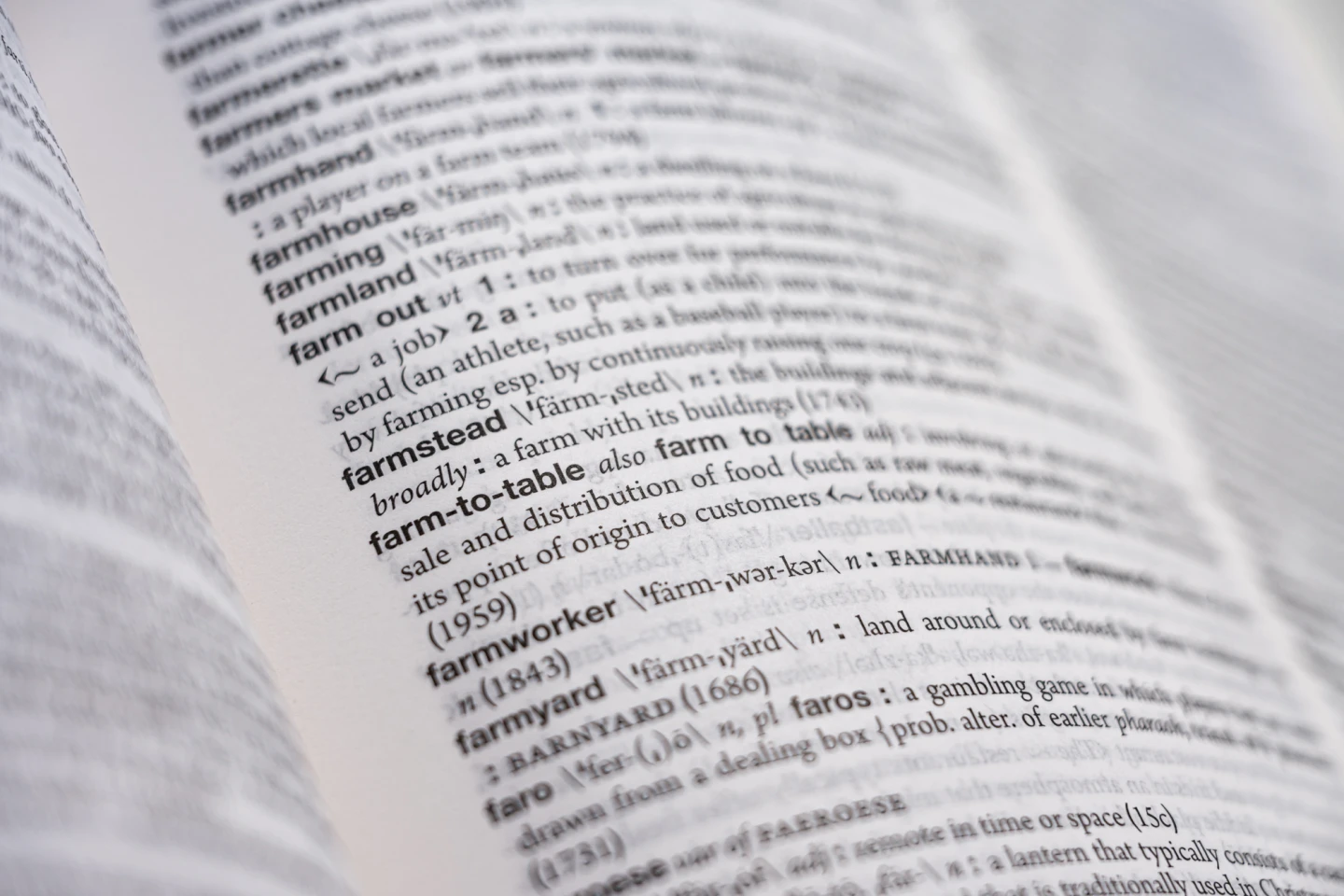
NEW YORK (AP) — Merriam-Webster is making waves in the lexicon world with the announcement of a major update to its Collegiate Dictionary, the first comprehensive revision in over two decades. Over 5,000 new words have been introduced, reflecting modern language trends and the influence of technology. Terms such as ‘petrichor,’ which describes the earthy scent following rain, and ‘ghost kitchen,’ a culinary concept that became popular during the pandemic, are among the notable additions.
The new edition, set to be released on November 18, is positioned to appeal to current language users who increasingly rely on mobile devices and the internet for information. This overhaul comes after a marked decline in print dictionary sales, with adult reference books, including dictionaries, experiencing a 9% drop over the past year, according to Circana BookScan data.
Merriam-Webster's 12th edition of the Collegiate Dictionary prunes outdated content and enhances focus on words that reflect contemporary cultural phenomena. In addition to 'petrichor' and 'ghost kitchen,' the new entries also include terms like ‘cold brew,’ ‘adulting,’ and ‘cancel culture,’ showing a clear connection to lifestyle shifts and modern vernacular.
To accommodate new content, some lesser-used biographical and geographical sections from previous editions were removed. This decision underscores the evolving role of dictionaries in an era where internet searches largely fulfill those needs. Greg Barlow, Merriam-Webster's president, indicated that the goal was to create a more practical and enjoyable resource for users. 'We wanted it to be a better design, more interesting,' he remarked, emphasizing the company's commitment to creating a visually appealing product for word lovers.
Despite the challenges faced by print dictionaries, there are signs of life in the market. Sales at retailers like Barnes & Noble have seen a slight uptick, attributed to a nostalgic desire for physical reference materials. Barlow noted, 'While print dictionary sales do not significantly impact our growth, they remain a core part of our identity.'
The new Collegiate also enhances engagement through curated word lists and more comprehensive entries, elevating the educational value of the book. Fun additions like the history of words deepen readers' understanding, with explanations about how terms have evolved over time.
Overall, while the future of print dictionaries may seem uncertain amidst the digital age, the new edition of Merriam-Webster’s Collegiate Dictionary serves as a testament to the enduring appeal and importance of print as a cultural artifact. The commitment to contemporary language along with an appreciation for lexicographical history reaffirms the relevance of print dictionaries in modern society.